
Role and Importance of Anesthesia in Healthcare
Ensuring Patient Comfort and Safety: The Crucial Role of Anesthesia
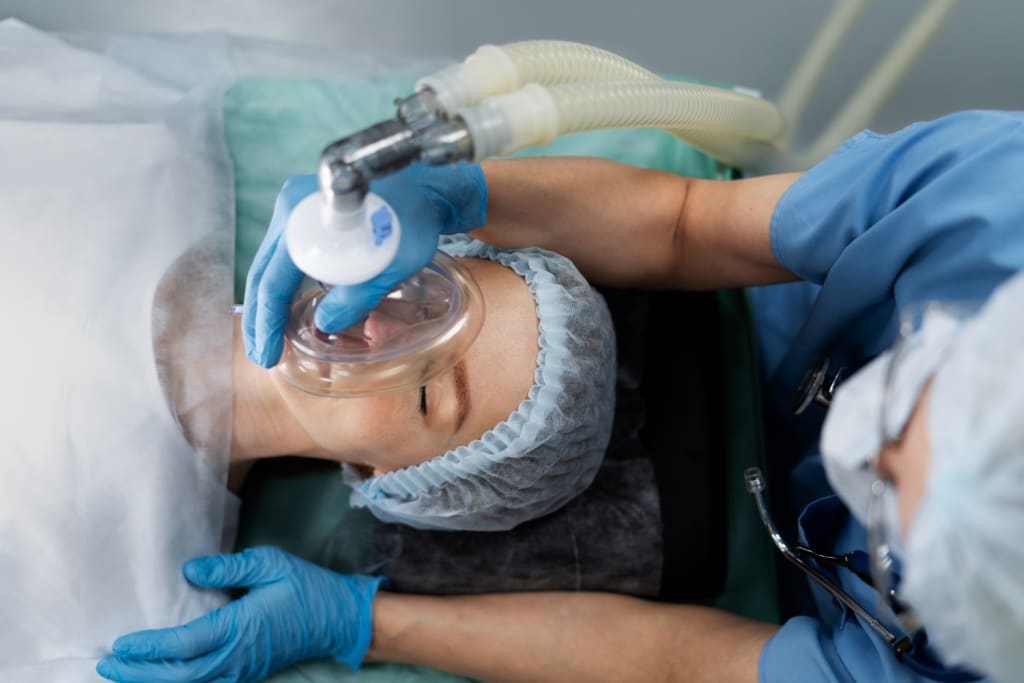
The perioperative period includes the time before, during, and after surgery. Given the potential for pain and discomfort during surgery, the patient is given anaesthesia, which is essentially a sedative. General anaesthesia (complete loss of consciousness), regional anaesthesia (loss of consciousness in one part of the body), and local anaesthesia (lack of experience in the region that is where surgery is performed on) are the three types of anaesthesia. Anaesthesia has been used for centuries, but anesthesiology is a developed and sophisticated field of medicine in modern medicine.
Anaesthetists who completed BSc in Anesthesia are the professionals in charge of this function. Anesthesiology is a vital branch of medicine because it ensures that surgery is safe, feasible, and possible. Airway management and resuscitation, which are fundamental components of anesthesiology training, are life-saving procedures that are required for any surgical procedure. There is no other field of medicine that has a more thorough comprehension and training in vital organ management than anesthesiology.
Throughout the years, newer sub-specialties such as paediatric anesthesiology, Obstetrics surgical anaesthesia, neurosurgical anaesthesia, cardiovascular anaesthesiology, critical care, and pain management have emerged. The majority anaesthesia professionals have a good understanding of all of these specialties, and some go into great detail.
Importance of Anesthesiology
The introduction of an anaesthetic causes a variety of changes in the physiological processes of the patient, including fluctuations in vital parameters. It also means that these variables must be observed on a continuous basis, and that's what a physician with anaesthesia does. Anaesthesia can also cause hypothermia, trembling sore throat, vomiting, nausea, headache, delayed unconsciousness, and other symptoms in patients. As a result, before conducting anaesthesia, an anesthesiologist meets with the patient to inquire about his/her medical history, allergies to specific medications, personal behaviours such as cigarette smoking, drinking, and psychedelic drug use, and medical history of the person in question and family members who are close to them.This information assists the anesthesiologist in determining the appropriate anaesthesia dosage and the precautions to be taken before, during, and after surgery.
The practice of anesthesiology is the best example of medical safety. Every year, only 5.2 deaths per million occur worldwide as a result of poor anaesthesia. This is the closest any medical practice can get to the Six Sigma quality standard (3.4 errors per million). In contrast, nearly 98,000 people die each year as a result of errors made by medical professionals in hospitals in a 1:5 ratio. [4,5] ADR-related deaths in India are estimated to be around 400,000 per year, with 720,000 ADRs. As a result, it has been said that a healthcare facility is only equally secure as its anesthesiology practise.
Surgeons have gone so far as to compare anesthesiology to displaying an aircraft. The process of induction of anaesthesia, the upkeep of a sedated state, and emergence from it are all analogous to the takeoff process, flying, as well as landing! The operating room is similar in terms of air traffic management during a surgical procedure. The anesthesiologist, who functions similarly to an air traffic controller, carefully tracks vital variables, gives instructions, and takes action when necessary, ensuring effectiveness and security in the operating theatre.
Role of Anesthesia in Surgery
Before surgery - In the days or weeks leading up to your surgery, your anesthesiologist will ensure that you are fit for surgery and be preparing you for the surgical process by asking explained inquiries regarding your health, investigating you, and reviewing tests.
Your anesthesiologist will answer any questions you have about the surgery and anaesthesia. Make sure your anesthesiologist is aware of any medical issues you have, such as diabetes, cardiovascular disease, or a history of asthma, what medications that you are taking (prescription, free of charge, and homemade supplements); and whether you have had issues or concerns alongside anaesthesia in the past. Use this opportunity to ask questions. Recognizing your care will make you feel more at ease and secure as you put it together for surgery. Your anesthesiologist will put together an individualised anaesthesia strategy to help you to ensure the successful and secure procedure.
During surgery, the anesthesiologist controls your pain and continuously monitors your general anaesthesia and vital bodily processes, either alone or in collaboration with an Anesthesia caution Team. Your anesthesiologist will take care of any medical issues that arise during surgery, as well as any chronic conditions you have, which include asthma, high cholesterol, diabetes, and cardiovascular disease. After surgery, the anesthesiologist regulates others who will take care to feed yourself as well as observe your recuperation — your respiration, blood circulation, consciousness and quantity of oxygen. The anesthesiologist is typically the person who determines whether you are recuperating from the effects of sedation and are ready to go home or if you should be transferred to an ordinary healthcare room or the intensive care unit. The anesthesiologist also develops a recovery plan for you and may be responsible for handling your pain after you leave the hospital.
About the Creator
Enjoyed the story? Support the Creator.
Subscribe for free to receive all their stories in your feed.
Comments
There are no comments for this story
Be the first to respond and start the conversation.