
Risks and Complications in Vaginal Surgery: How to Mitigate Them
Vaginal Surgery Education

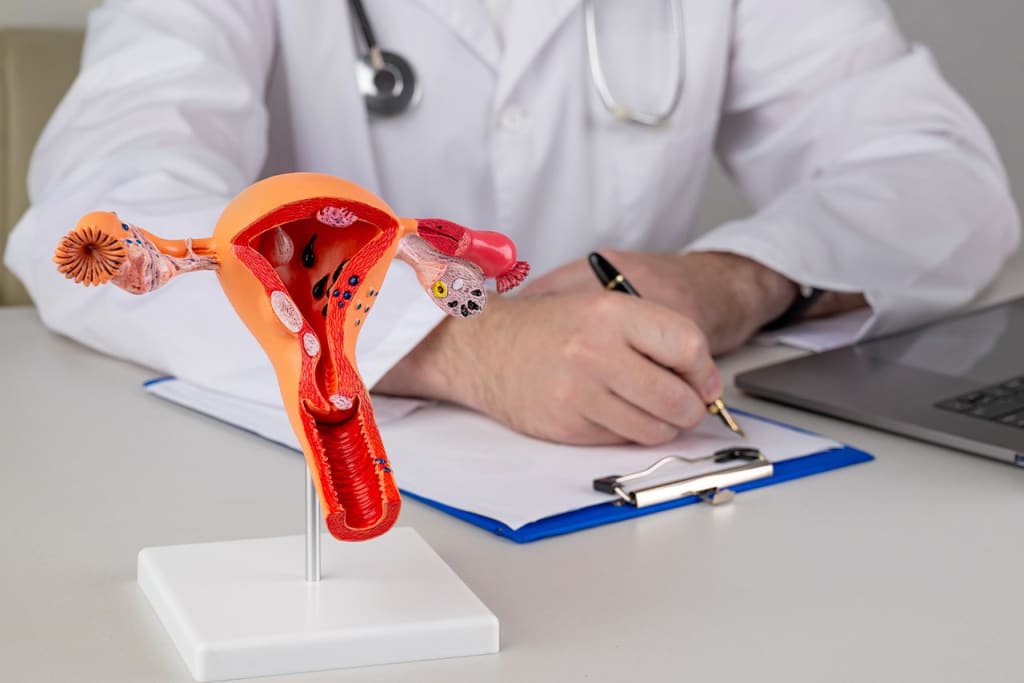
Vaginal surgery, also known as vaginoplasty, involves repairing or rejuvenating the vaginal canal, often necessitated by trauma, medical conditions, or cosmetic reasons. While advancements in surgical techniques have significantly improved outcomes, understanding and mitigating the risks and complications associated with these procedures remain paramount. For healthcare professionals, particularly gynecological surgeons, mastering these aspects is essential to delivering safe and effective patient care.
Common Complications in Vaginal Surgery
Vaginal surgery is a delicate procedure, and like any surgical intervention, it comes with potential risks. These can be broadly categorized into intraoperative and postoperative complications:
Intraoperative Complications:
Excessive Bleeding: Uncontrolled bleeding can arise due to injury to vascular structures. This not only complicates the surgery but can also lead to significant blood loss, requiring transfusion in severe cases.
Damage to Adjacent Organs: The proximity of the bladder, urethra, and rectum makes these organs susceptible to unintentional injury. Such injuries may necessitate additional surgical repair and prolong recovery.
Adverse Reactions to Anesthesia: Reactions to anesthetic agents can range from mild nausea to severe allergic responses or respiratory complications. Proper pre-anesthetic evaluation can mitigate such risks.
Postoperative Complications:
Infections: Inadequate sterilization or poor wound care can lead to infections. These may present as localized wound infections or systemic sepsis in severe cases.
Vaginal Stenosis: Scarring during the healing process may result in narrowing of the vaginal canal, potentially affecting sexual function and quality of life.
Chronic Pain: Persistent discomfort can occur due to nerve damage, unresolved inflammation, or adhesions formed during the healing process.
Fistula Formation: Abnormal connections between the vagina and adjacent organs, such as the bladder or rectum, can develop, leading to complications like urinary or fecal incontinence.
Emotional Distress: The psychological impact of surgery can affect the patient’s mental health and overall recovery, requiring holistic care.
Preventative Measures to Tackle Complications
Proactive measures at every stage of the surgical process are essential to minimize risks and ensure patient safety. Below are key strategies for preventing complications:
Preoperative Planning:
Conduct a comprehensive review of the patient’s medical history to identify potential risk factors such as clotting disorders, chronic illnesses, or previous surgeries.
Use detailed imaging techniques, such as MRI or ultrasound, to assess the surgical site and surrounding structures. This aids in precise surgical planning.
Educate the patient about the procedure, including potential risks, benefits, and postoperative expectations. Providing realistic expectations can alleviate anxiety and build trust.
Intraoperative Cautions:
Utilize laparoscopic or minimally invasive techniques to enhance precision and reduce tissue trauma. These approaches also decrease recovery time.
Adopt meticulous surgical methods, ensuring clear visualization of the operative field to avoid damage to nearby structures.
Perform dissection slowly and carefully to avoid inadvertent damage to surrounding organs and tissues. Use advanced tools like energy devices to minimize bleeding.
Postoperative Care:
Implement stringent infection control measures, such as appropriate use of antibiotics and maintaining wound hygiene. Educating patients about self-care at home is also vital.
Ensure effective pain management through a combination of medications, such as NSAIDs or opioids, and non-pharmacological approaches, like heat therapy.
Closely monitor the patient’s vitals and recovery progress, intervening promptly if complications arise. Early detection of issues can prevent severe outcomes.
Tips for a Speedy Recovery
Patient care does not end with the surgical procedure. Providing adequate support during recovery is critical for optimal outcomes. Below are practical tips to facilitate a smooth and efficient recovery:
Regular Follow-Up Visits: Schedule routine check-ups to monitor healing and address any emerging concerns. This ensures that potential complications are identified and managed early.
Emotional and Psychological Support: Offer counseling or support groups to help patients cope with the emotional aspects of surgery. The psychological well-being of the patient plays a crucial role in physical recovery.
Physical Therapy: Recommend pelvic floor exercises or physiotherapy when necessary to restore function and improve comfort. Such interventions can help strengthen muscles and prevent complications like prolapse.
Nutritional Support: Encourage a balanced diet rich in vitamins and proteins to promote healing. Adequate hydration and proper nutrition can expedite tissue repair.
Activity Management: Advise patients to avoid heavy lifting, strenuous activities, or sexual intercourse until cleared by their surgeon. Gradual resumption of normal activities ensures proper healing.
Continuous Education for Surgeons
For gynecological surgeons, staying updated on the latest advancements in surgical techniques and patient care is crucial. Educational programs, workshops, and specialized courses can help enhance skills and improve patient outcomes. Training platforms like StudyVaginalSurgery offer a comprehensive range of resources tailored to advancing expertise in vaginal surgery.
By implementing these strategies, surgeons can minimize the risks associated with vaginal surgery and contribute to safer, more successful procedures. Patients, too, benefit from a collaborative approach to care, fostering trust and ensuring better health outcomes. Continuous learning and adherence to best practices are key to elevating standards in this specialized field of gynecological surgery.
About the Creator
study medic777
StudyMEDIC - Delivering Medical Education Beyond Boundaries
Enjoyed the story? Support the Creator.
Subscribe for free to receive all their stories in your feed.
Comments