
Rising Above Adversity: The Transformative Power of Education and Belief
Rising Above Adversity: How Education and Self-Belief Transform Lives and Open Doors

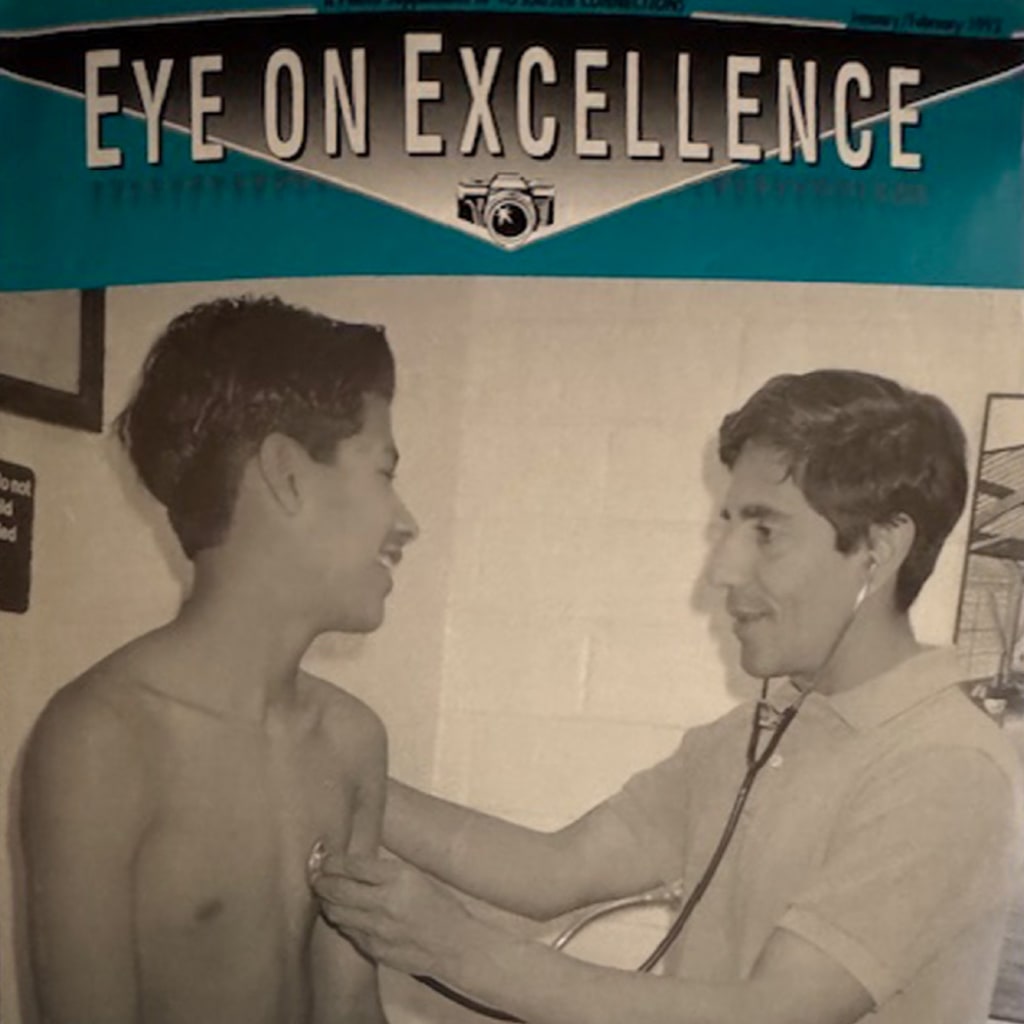
Life often presents challenges that can feel overwhelming. Whether it’s growing up in poverty, facing discrimination, or encountering personal hardships, many individuals confront obstacles that threaten to limit their potential. Yet, countless stories show us that with determination, education, and a strong belief in oneself, it’s possible to rise above adversity and achieve success. Education and belief are not just tools; they are transformative forces that empower individuals to rewrite their stories and create better futures.
This article examines the interplay between education and belief in helping individuals overcome challenges, providing real-life examples, emphasizing the importance of supportive environments, and offering practical advice for those seeking to overcome adversity.
Education: A Foundation for Change
Education is widely regarded as one of the most effective ways to change the course of a person’s life. It opens doors to opportunities, broadens perspectives, and equips individuals with essential skills. From basic literacy to advanced degrees, education equips individuals to understand the world around them and make informed choices.
For many facing hardship, education becomes a pathway out of difficult circumstances. It enhances employability, increases earning potential, and promotes independence. Beyond the economic benefits, education fosters critical thinking, creativity, and problem-solving skills —skills that are crucial for navigating life’s complexities.
Moreover, education enables individuals to build social networks and access resources that foster their personal and professional growth. It also nurtures a sense of accomplishment and self-worth, reinforcing the idea that one’s background does not have to dictate one’s future.
The Role of Belief in Overcoming Challenges
While education lays the groundwork, belief—particularly self-belief—is the driving force that propels individuals forward. Self-belief provides motivation, courage, and resilience. It encourages people to face setbacks without losing hope and to persist in the pursuit of their goals.
Psychologists emphasize the importance of self-efficacy—the confidence in one’s ability to succeed—as a predictor of achievement. Those with strong self-belief tend to set higher goals, take initiative, and recover quickly from failures.
Belief also helps individuals resist negative messages or stereotypes that may be imposed by society or internalized over time. It fuels the mindset that challenges are surmountable and that personal growth is possible.
This belief can stem from various sources, including a supportive family, mentors, community, spiritual faith, or an internal conviction. Regardless of its origin, belief sustains effort and fosters the courage to embrace opportunities and risks.
Inspiring Stories of Success Against the Odds
Throughout history and in everyday life, many have demonstrated that education and belief can together overcome formidable odds.
Consider the story of Dr. Ben Carson, who grew up in a single-parent household with limited resources and struggled academically in his early years. Encouraged by his mother to read and believe in himself, he made significant academic improvements and went on to become a renowned neurosurgeon. His journey underscores how belief and education can lead to extraordinary achievement despite a difficult start.
Another example is J.K. Rowling, who faced financial struggles and rejection before her Harry Potter series became a global phenomenon. Her belief in her story and perseverance through hardship exemplify the power of self-confidence combined with dedicated effort.
Even on a smaller scale, everyday heroes—students who graduate despite obstacles, workers who pursue training to advance their careers, and parents who return to school while raising families—demonstrate that beating the odds is possible when education is paired with belief.
Creating Supportive Environments
Though education and belief are personal attributes, they flourish best within supportive environments. Schools, families, mentors, and communities play crucial roles in nurturing both individuals and communities.
Teachers who encourage and challenge students, parents who emphasize the value of learning, and communities that provide resources and safe spaces create conditions in which self-belief and educational success thrive.
Mentorship programs connect individuals with role models who provide guidance, inspiration, and practical advice. These relationships can be life-changing, especially for those facing social or economic challenges.
The policy also matters. Equitable access to quality education, healthcare, and social services reduces barriers and promotes fairness. When society invests in these areas, more individuals have the chance to develop their potential.
Practical Strategies to Foster Education and Belief
For those determined to rise above challenges, several strategies can enhance the impact of education and strengthen belief:
Set Purposeful Goals: Define clear, realistic objectives that inspire action. Break goals into manageable steps to maintain momentum.
Develop a Growth Mindset: Embrace learning as an ongoing process. View failures as opportunities for growth rather than permanent setbacks.
Seek Support Networks: Surround yourself with people who encourage your goals and believe in your potential.
Celebrate Progress: Recognize achievements, no matter how small, to build confidence and maintain motivation.
Stay Curious: Commit to lifelong learning through formal education, online resources, and experiential opportunities.
Practice Self-Compassion: Acknowledge struggles without harsh self-judgment, allowing room for resilience and renewal.
The Wider Impact of Overcoming Adversity
When individuals succeed against the odds, the effects ripple beyond personal gain. Educated and confident people contribute positively to their families and communities. They become role models and mentors, inspiring others to pursue education and fostering self-confidence.
Higher education levels correlate with improved health, economic growth, and civic engagement. Those who overcome adversity often develop empathy and a desire to give back, strengthening social cohesion.
On a societal level, fostering education and self-belief promotes equity and breaks cycles of disadvantage. It supports the creation of diverse, vibrant communities where everyone has the chance to thrive.
The Unstoppable Combination
Education and belief are inextricably linked forces that together empower individuals to overcome the odds. Education provides the knowledge, skills, and opportunities necessary to change one’s circumstances. Belief supplies the inner strength, hope, and perseverance to seize those opportunities despite challenges.
Stories of triumph, from global icons to everyday champions, show that no background or obstacle is insurmountable when education and self-belief are combined. Supportive environments and intentional strategies further enhance this dynamic, providing pathways for more people to overcome adversity.
rising above adversity is about more than survival—it’s about transformation. It’s about empowering individuals to take control of their lives and make meaningful contributions to society. When education and belief unite, the possibilities are truly limitless.
About the Creator
Frank Meza
Frank Meza, a renowned physician and leader, dedicated decades to reducing healthcare disparities in California's Latino communities, advocating for education.
Portfolio: http://frankmeza.com
Website: http://frankmezaca.com
Enjoyed the story? Support the Creator.
Subscribe for free to receive all their stories in your feed.
Comments