
Revolutionizing Interiors: The Impact of Technology on Modern Styling
Discover how technology is transforming modern interior styling with smart homes, VR, 3D printing, and sustainable solutions for innovative and functional spaces.
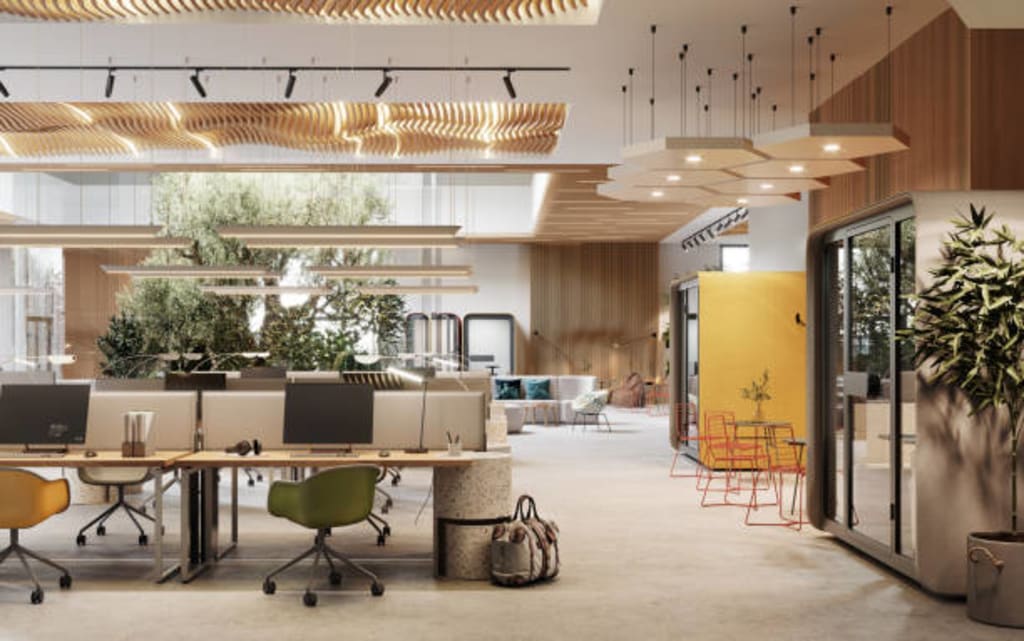
In the evolving world of design, technology has become an indispensable tool in shaping modern interiors. Gone are the days when interior styling was purely about selecting colors, furniture, and décor elements. Today, technology has revolutionized how we approach interior design, transforming not only how spaces look but also how they function. For aspiring interior stylists and designers, understanding the role of technology in modern interior styling is crucial to staying ahead in this fast-paced industry.
1. Design Software: Making Ideas Come to Life
One of the most significant technological advancements in interior styling is the development of advanced design software. Tools like AutoCAD, SketchUp, and 3D rendering software have made it easier for designers to visualize their ideas and create accurate representations of a space. These programs allow interior stylists to experiment with different layouts, materials, lighting, and color schemes before making any physical changes to a room.
Using these design tools, designers can quickly see how various elements interact in the space. This not only saves time but also allows for more creativity and innovation. Whether working on a residential or commercial space, interior designers can now simulate their ideas and share realistic images or walkthroughs with clients, which enhances communication and ensures that everyone involved is on the same page.
2. Smart Home Integration: Bringing Functionality to Design
Technology has also made its way into the very fabric of modern interior styling with the rise of smart homes. Integrating technology into interior spaces is no longer just about convenience; it’s about creating functional, efficient, and sustainable environments. From voice-controlled lighting to automated temperature control and security systems, smart home technologies offer a level of customization that can be tailored to fit any lifestyle.
For interior stylists, incorporating smart devices into design plans is an opportunity to enhance the overall user experience. Smart thermostats, automated blinds, and integrated sound systems can all be seamlessly embedded into the aesthetics of a room. These devices, often sleek and stylish in design, blend effortlessly into modern interiors, providing both form and function.
3. Virtual Reality (VR) and Augmented Reality (AR): Enhancing the Client Experience
Virtual Reality (VR) and Augmented Reality (AR) have opened new doors for interior designers, enabling them to offer clients an immersive and interactive experience. By using VR and AR, designers can create virtual tours of interior spaces that clients can explore before the actual work begins. This is particularly helpful for clients who may find it difficult to visualize the end result based on sketches or flat images.
Through these technologies, clients can experience different design concepts in real-time, test out various color schemes, and even walk through a space before committing to any changes. This not only boosts client confidence but also ensures that their vision is realized accurately. For interior designers, VR and AR offer an innovative way to present ideas and make the design process more collaborative and engaging.
4. Sustainability and Eco-Friendly Solutions: Technology for a Greener Future
As sustainability becomes a central theme in interior design, technology plays a pivotal role in making eco-friendly choices more accessible and effective. Smart lighting, energy-efficient appliances, and sustainable building materials are just a few examples of how technology can be harnessed to reduce the environmental impact of interior design.
For instance, energy-efficient LED lighting and motion-sensing fixtures can drastically reduce energy consumption in a space. Designers can also use software to analyze energy use patterns in a home or office and suggest ways to optimize energy efficiency. With the increasing focus on green design, interior stylists who are well-versed in these technologies will be better equipped to create sustainable, eco-conscious spaces.
5. 3D Printing: Customizing Interior Elements
Another exciting development in technology is 3D printing. With this technology, interior designers can now create custom furniture, décor items, and even building materials that perfectly match the design vision. Whether it's a unique piece of art, a bespoke chair, or a one-of-a-kind light fixture, 3D printing allows for a level of personalization that was previously impossible or cost-prohibitive.
The ability to design and produce customized items on-demand also means that designers can experiment with unconventional shapes, textures, and materials. This opens up endless possibilities for creating unique, cutting-edge interior designs that stand out in today’s competitive market.
6. The Role of Technology in Enhancing Design Accessibility
One of the most significant ways technology has transformed interior styling is by making design more accessible. With the rise of online platforms, mobile apps, and virtual consultations, interior designers can reach a broader audience than ever before. Clients no longer need to visit design studios in person—they can collaborate with designers remotely, share ideas, and get professional advice from anywhere in the world.
For aspiring interior stylists, this opens up new opportunities to showcase their work and reach clients who may not have otherwise had access to high-end design services. Technology has leveled the playing field, allowing even small businesses and independent designers to compete with larger firms.
Conclusion
The integration of technology in modern interior styling has not only transformed the way we design and style spaces but also opened up a world of possibilities for both designers and clients. From design software and smart home integration to sustainability and 3D printing, technology has made interior styling more dynamic, personalized, and accessible than ever before.
For students at MIT Institute of Design, staying updated with these technological advancements is essential. As the design industry continues to evolve, embracing technology will empower the next generation of interior stylists to create innovative, sustainable, and functional spaces that meet the needs of the modern world. Whether you're designing a cozy apartment, a luxurious office, or a smart home, technology will be your ally in creating spaces that are not only beautiful but also functional and future-proof.
About the Creator
Enjoyed the story? Support the Creator.
Subscribe for free to receive all their stories in your feed.
Comments
There are no comments for this story
Be the first to respond and start the conversation.