
Rethinking AI: What People Get Wrong About Artificial Intelligence at Work
How the Truth About AI Changes the Way We Work and Think About Jobs

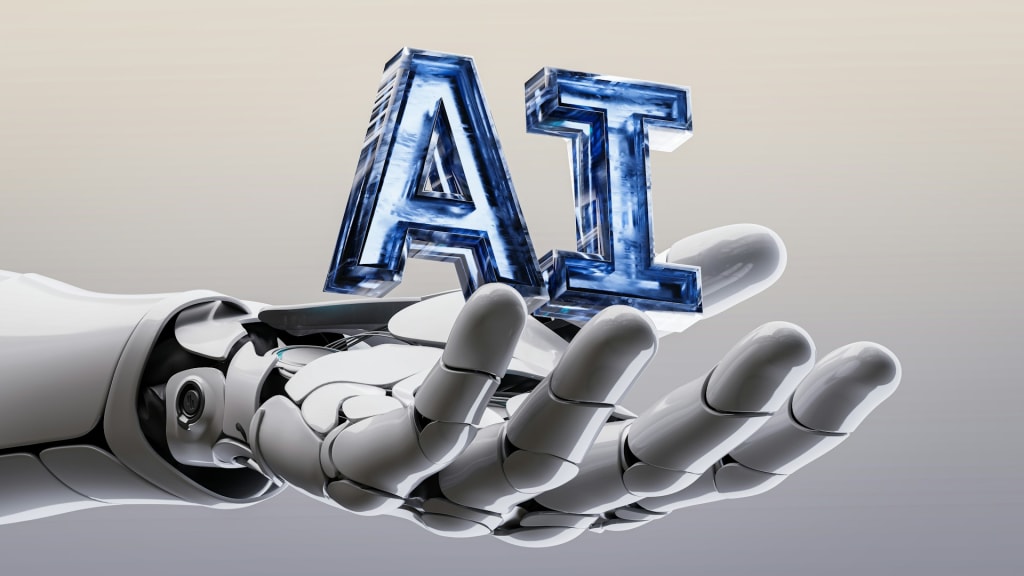
Artificial intelligence (AI) is changing the world around us. From voice assistants to self-driving cars, AI touches many parts of daily life. But when it comes to AI at work, many people still misunderstand what it can and cannot do. Some fear AI will take all the jobs. Others believe it can solve every problem. The truth sits somewhere in between. To understand what AI means for the future of work, we must clear up these myths.
This article will clarify what many people misunderstand about AI and explain its implications for work today and in the future. Whether you're a student, employee, or business leader, knowing the truth about AI can help you prepare and make better choices.
AI Is Not Smarter Than Humans
One big myth is that AI is more intelligent than people. While AI can do some tasks faster, it doesn't understand like a person does. AI follows patterns in data. It lacks thoughts, feelings, and judgment. For example, an AI tool can sort emails or recommend products, but it cannot fully understand emotions or human values.
AI performs well with clear instructions and large datasets. However, when a task requires creativity, empathy, or context, humans still excel. A good example is customer service. AI chatbots can answer simple questions. But when someone is upset or confused, a human representative is often needed.
This shows that AI is not here to replace people. Instead, it is a tool that helps people work better. It can automate simple, repetitive tasks, allowing workers to focus on tasks that require human thinking.
AI Won’t Take Every Job
Another common misconception is that AI will eliminate all jobs. This fear has been around for many years. It happened during the Industrial Revolution, and now it's happening again. But history shows that while some jobs disappear, new ones appear.
AI is changing the kind of work people do. It automates tasks that are tedious or time-consuming, such as filling out forms or scanning documents. That does not mean people are no longer needed. Many jobs now require workers who can understand, manage, or improve AI systems.
For example, in healthcare, AI helps doctors read X-rays more quickly. But it does not replace the doctor’s knowledge or decision-making. In factories, robots may assemble parts, but workers still oversee quality and address any issues that arise. In each case, AI helps rather than replaces human efforts.
The truth is that AI will not eliminate jobs, but rather change them. Individuals who learn to work with AI will be better equipped for the future.
AI Means New Skills Are Needed
As AI is transforming the workplace, new skills are now more crucial than ever. Some people think they need to be programmers to work with AI. But that’s not true. You don’t need to build AI to use it. You need to understand what it can do and how to work alongside it.
Skills like critical thinking, communication, and creativity are more important today. These are things AI cannot do. In addition, workers who learn basic digital tools, data handling, and how AI affects their field will have more options available to them.
For example, someone in marketing might use AI to find trends in customer behavior. A teacher might use AI to track student progress and suggest lessons. In each case, the person still leads the work, while AI helps by handling the background tasks.
By learning how to utilize AI in simple ways, workers can adapt to changes instead of falling behind.
AI Needs People to Work Well
Many people believe AI operates independently. AI needs people at every step. Humans design, build, test, and update AI systems. These systems must be trained with data, and that data must be checked for errors or bias.
If AI systems are left alone, they can make wrong choices. For example, an AI system used in hiring may reject good candidates if trained on biased data. This is why human judgment is always needed to guide AI.
AI also needs rules and oversight. Laws and ethics are crucial to ensure that AI is used in fair and helpful ways. That means society needs workers who can combine tech skills with strong values.
In short, AI is not a magic tool. It depends on people—smart, thoughtful people—to make it work the right way.
AI Changes How We Work, Not Why We Work
Some fear that AI will make human work meaningless. This is another common myth. The truth is that AI can make work more meaningful. By automating mundane tasks, AI frees up people's time for more creative, helpful, or complex work.
Think about a nurse who spends hours filling out charts. With AI, that work can be done in seconds. The nurse then has more time to care for patients. Or take an office worker who copies data between programs. AI can do that, freeing time for solving problems or working with clients.
Work is more than a paycheck. People find purpose in solving problems, helping others, or learning new things. AI can support this by making daily tasks easier. This allows workers to spend more time on the parts of work that matter most.
Preparing for the Future of AI and Work
AI is not the end of work—it’s the start of something new. To prepare, people must learn to see AI. It is not a threat or a fix-all. It is a tool. And like any tool, it works best when people know how to use it.
This means we need better education, more training, and open talks about AI in the workplace. Schools should teach students how AI affects different careers. Companies should help workers learn new skills. Leaders should make sure AI is used in fair and helpful ways.
Understanding what AI truly is helps everyone—from young students to top executives—prepare for a future where people and machines work together.
About the Creator
Shane Paladin
Shane Paladin is a global executive with experience at startups to Fortune 500s, leading teams across three continents and driving transformation, growth, and customer success.
Portfolio: https://shanepaladin.com/
Enjoyed the story? Support the Creator.
Subscribe for free to receive all their stories in your feed.
Comments
There are no comments for this story
Be the first to respond and start the conversation.