
Reasons to start trading
Read this article to learn more
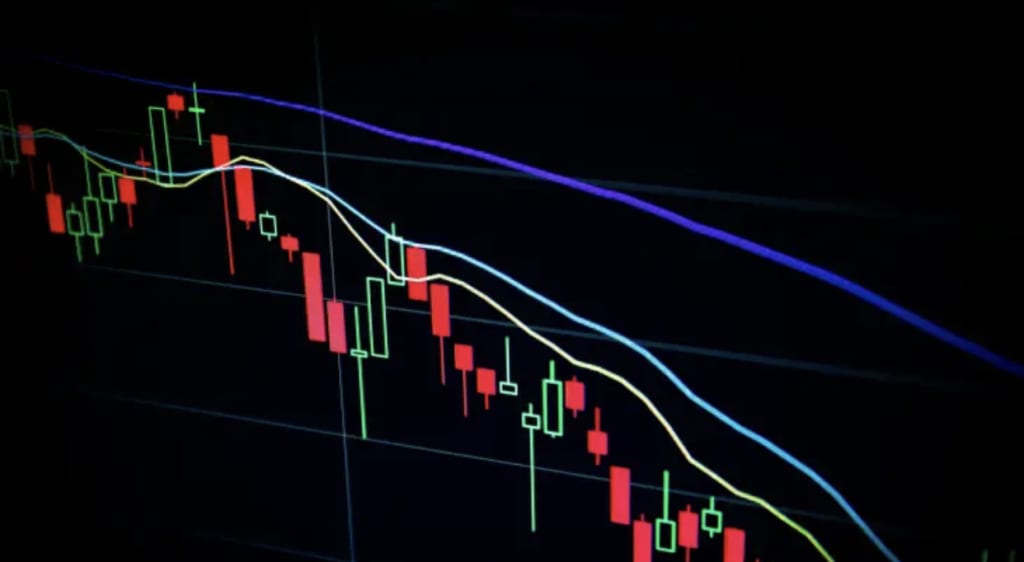
Deciding whether to start trading is a personal choice that depends on your individual circumstances, goals, and risk tolerance. Here are a few reasons why some people choose to start trading:
1. Potential for Financial Independence: Trading offers the possibility of generating income and building wealth. Successful traders can potentially earn profits that exceed traditional investment returns or other career paths.
2. Flexibility and Independence: Trading provides the opportunity to work independently and set your own schedule. It can be appealing to those who desire the freedom to manage their own financial endeavors and make decisions based on their own analysis and research.
3. Learning and Intellectual Challenge: Trading is a dynamic field that requires continuous learning and staying updated with market trends. For individuals who enjoy intellectual challenges and are willing to invest time in understanding financial markets, trading can be intellectually stimulating.
4. Diversification of Investments: Trading allows you to diversify your investment portfolio beyond traditional assets like stocks and bonds. It provides access to various markets, such as currencies, commodities, derivatives, and more, which can help spread risk and potentially enhance overall portfolio returns.
5. Entrepreneurial Spirit: Trading can appeal to individuals with an entrepreneurial mindset. It offers an opportunity to be self-reliant, make independent decisions, and potentially reap the rewards of successful trading strategies.
It's important to remember that trading involves risks, and success is not guaranteed. Many traders experience losses, and it can be a highly volatile and unpredictable endeavor. Before starting, it's advisable to educate yourself, practice with virtual trading accounts, and consider seeking guidance from professionals or experienced traders to understand the complexities of trading and manage risks effectively.
Trading is a dynamic and fast-paced activity that involves buying and selling financial instruments in various markets. It is a means by which individuals and institutions seek to capitalize on price movements to generate profits. Trading encompasses a wide range of strategies and approaches, from day trading, where positions are opened and closed within a single trading day, to long-term investing, where positions are held for extended periods. The art of trading requires a combination of analytical skills, market knowledge, and risk management. Traders carefully analyze charts, indicators, and fundamental data to identify potential opportunities and make informed decisions. They must also possess discipline and emotional control, as the market can be unpredictable and volatile. Successful traders are able to adapt to changing market conditions, mitigate risks, and consistently execute their strategies with confidence.
Trading provides individuals with the opportunity to participate in the global financial markets and potentially achieve their financial goals. It can offer flexibility and freedom, allowing traders to work from anywhere with an internet connection. Trading is not limited to a specific asset class, as it encompasses various markets such as stocks, bonds, currencies, commodities, and derivatives. This diversity allows traders to choose the markets and instruments that align with their preferences and expertise. Additionally, technological advancements have made trading more accessible than ever, with online platforms and trading tools providing real-time market data, advanced charting capabilities, and instant trade execution. While trading offers the potential for financial rewards, it is important to note that it also carries risks. Traders must be prepared to accept losses and continually improve their skills through education and experience to enhance their chances of success.
In conclusion, embarking on the journey of learning trading can be a transformative endeavor that opens doors to new opportunities in the financial world. Through dedicated education, practice, and experience, individuals can develop the knowledge and skills necessary to navigate the complexities of financial markets. Learning trading is not just about mastering technical analysis or understanding market trends; it also involves cultivating discipline, patience, and emotional resilience. It is a continuous learning process that requires adaptability and a willingness to learn from both successes and failures. While trading comes with its challenges and risks, it also offers the potential for financial growth, independence, and the ability to actively participate in the global economy. By approaching the learning process with dedication, perseverance, and a thirst for knowledge, aspiring traders can pave their way towards a rewarding and potentially profitable future in the world of trading.
If you want to learn more click on this link
About the Creator
Enjoyed the story? Support the Creator.
Subscribe for free to receive all their stories in your feed.
Comments
There are no comments for this story
Be the first to respond and start the conversation.