
Python –The Future of theWorld
How Python Became the Catalyst for a New Era of Innovation, Unity, and Progress
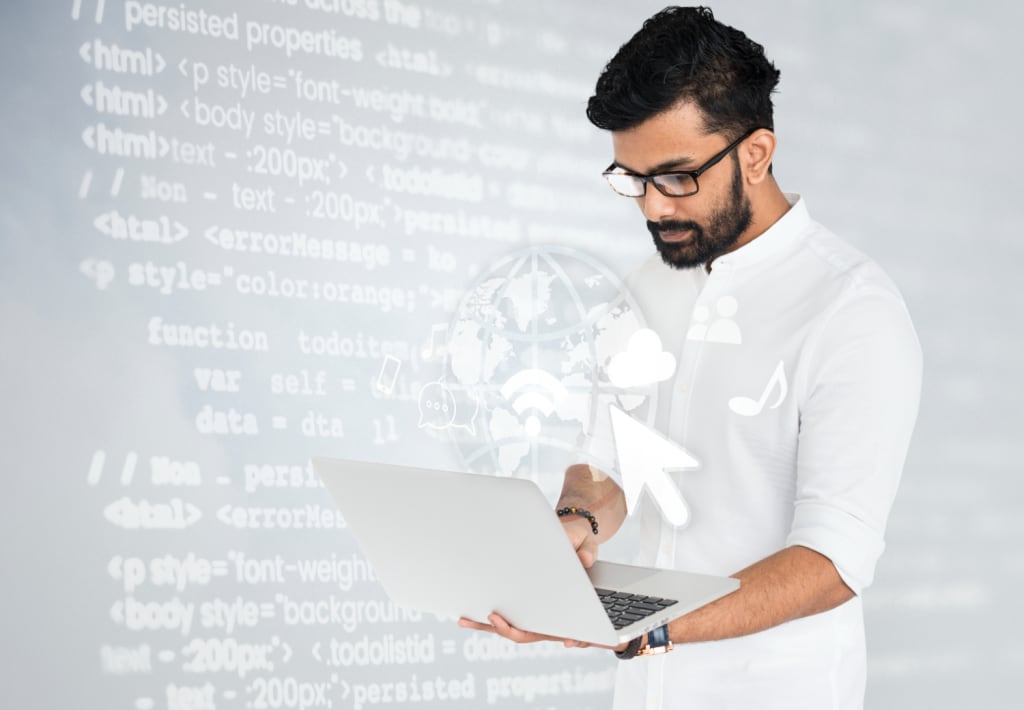
In the not-too-distant future, the world had entered a new era—an age where technology, data, and intelligence shaped every corner of society. Nations were no longer defined by borders, but by their digital footprints, and economies thrived on the pulse of information. The world had discovered a secret weapon, one that wasn’t born of power or force but of simplicity, elegance, and code: Python.
It all began with a shift. In the early 21st century, programming languages were fragmented—each with its own complexities, limitations, and steep learning curves. But amidst this chaos, a language quietly emerged as a beacon of hope. Python, a language initially designed by Guido van Rossum, had always been known for its readability and ease of use. What no one could have predicted was how this simplicity would go on to revolutionize the world.
Chapter 1: The Revolution of Learning
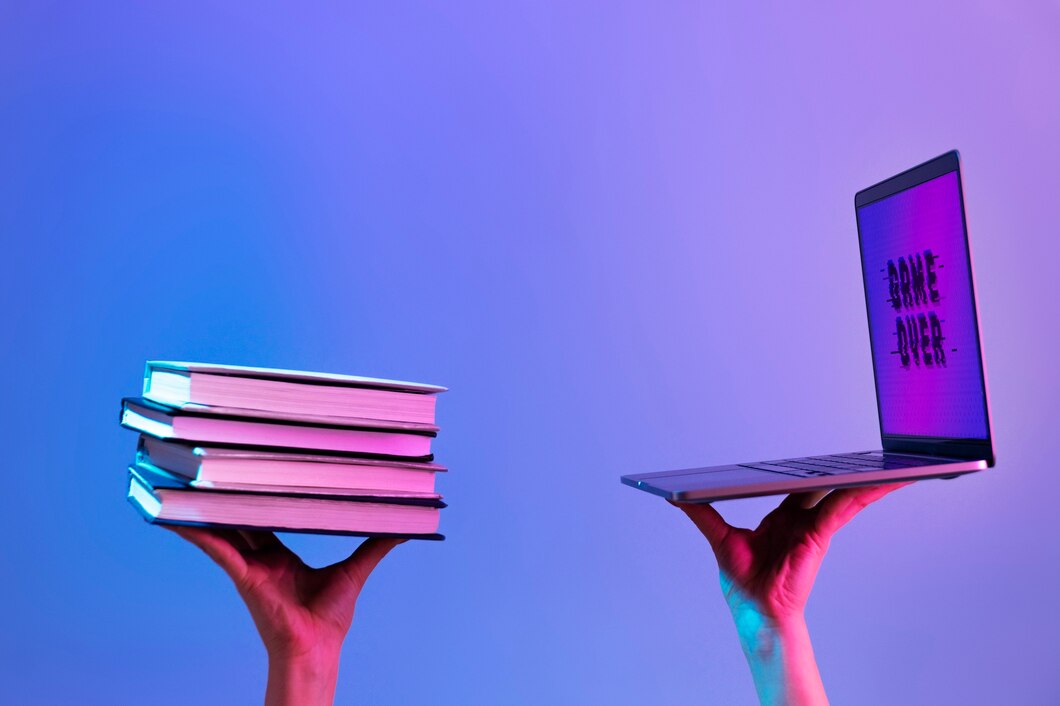
It started in classrooms. For generations, programming had been a challenge, something only the technically gifted could master. But Python made it accessible to everyone. From middle school students in rural villages to university students in bustling metropolises, Python became the universal language of learning. Schools worldwide adopted it, and soon, it wasn’t just computer science majors learning to code; biology students were analyzing genomes, literature majors were creating AI-powered chatbots, and artists were using Python to generate beautiful, complex digital art.
With Python as the foundation, children were learning the basic principles of artificial intelligence, machine learning, and data science from an early age. Their brains, shaped by Python’s logical structure, began thinking in patterns and systems. The generation that grew up with Python became innovators, creators, and problem solvers in ways the world had never seen.
Chapter 2: The Age of Artificial Intelligence
As Python spread across the globe, it catalyzed the development of artificial intelligence. Data science, powered by Python libraries like Pandas, NumPy, and TensorFlow, enabled machines to learn from the vast oceans of information being generated every day. Scientists, doctors, and researchers harnessed the power of Python to unlock the secrets of the universe. Diseases that once seemed insurmountable—like cancer, Alzheimer’s, and even aging itself—were tackled head-on by AI models trained on massive datasets.
In one breakthrough, a team of researchers, all Python programmers, developed an AI that could predict the likelihood of a patient developing a disease years before symptoms ever showed. This was made possible through Python’s seamless integration with machine learning frameworks, allowing the AI to continuously improve and adapt as more data flowed into the system.
Soon, the world didn’t just have a future filled with technology—it had a future where human potential was amplified. Python allowed anyone with a good idea to bring it to life, regardless of their background or resources.
Chapter 3: The Global Network
The rise of Python also gave birth to a new digital infrastructure. What started as a programming language evolved into a global network of interconnected systems, platforms, and communities. Python became the backbone of everything—from social media algorithms to space exploration missions.
Cities were smart—powered by Python-based AI systems that optimized everything from traffic flow to energy consumption. In the fields of transportation, autonomous vehicles—taught to think through Python's logic—navigated cities without accidents or traffic jams. Airplanes, drones, and robots operated in harmony, all programmed with Python.
The idea of “open-source” became the cornerstone of this new world. Python’s global community, thriving on collaboration and knowledge sharing, built a system where everyone could contribute, improve, and learn together. As a result, Python wasn’t just a tool for individuals—it became a collective force shaping the future of humanity.
Chapter 4: A New Form of Governance
In politics, Python’s influence took on a more subtle, yet equally profound form. Entire governments transitioned to Python-driven transparency and automation. Citizens could access real-time data on government spending, policies, and the environment, all maintained by AI systems written in Python. Blockchain technology, enhanced by Python’s capabilities, ensured that votes were cast securely and without manipulation.
The beauty of Python was its ability to integrate with existing systems and build new ones from the ground up. A global digital platform emerged, where citizens could interact with government representatives through AI-powered chatbots, all designed using Python.
For the first time in history, politics was as open and transparent as it had ever been, with direct input from the people who mattered most—the citizens.
Chapter 5: The Environment and the Future
Perhaps the most significant change brought by Python was in the realm of environmental sustainability. Python’s data analytics tools allowed scientists to monitor climate change in real time. With predictive models powered by Python-based algorithms, researchers could predict and mitigate natural disasters before they occurred, from hurricanes to wildfires.
As industries transitioned to green technologies, Python was at the core of the solutions. AI-powered farming systems optimized crop yields while reducing the use of water and pesticides. Clean energy grids, built using Python, distributed solar and wind power efficiently across entire continents. Entire cities began to operate on renewable energy, their carbon footprints shrinking to nearly zero.
Chapter 6: The Future of Humanity
In this new world, the influence of Python was undeniable. It was the language of the present—and the language of the future. It had bridged divides, united people, and built a better world. The simplicity that made Python so approachable also made it a universal tool for communication, allowing ideas to flow freely between cultures, disciplines, and nations.
For many, Python was no longer just a tool—it was a symbol. A symbol of progress, of possibility, and of the infinite potential of humanity when united by a single, simple idea.
As the years passed, it became clear that Python had done more than just change the way people coded. It had changed the way people thought. It had brought humanity into an era of global cooperation, powered by data, knowledge, and innovation.
The future of the world had been written in code. And that code was Python.
Training the Next Generation: best Python training in Kochi
As the world accelerates into this new digital era, Kochi, one of India’s fastest-growing tech hubs, is emerging as a center of Python excellence. The city is home to some of the best Python training institutes, offering comprehensive courses that equip learners with the skills needed to navigate the future of technology.
From aspiring developers to seasoned professionals looking to upskill, the best Python training in Kochi offers hands-on learning, expert instructors, and real-world projects that give students an edge in a competitive global market. With a curriculum that spans the basics of Python to advanced data science and AI applications, students can become part of the wave of innovation that will define the future of the world.
If you’re in Kochi and ready to join the next generation of innovators, learning Python is your gateway to the future. Let Kochi be the place where your journey into the world of endless possibilities begins.
Training the Next Generation: Best Python Training in Kochi
As the world accelerates into this new digital era, Kochi, one of India’s fastest-growing tech hubs, is emerging as a center of Python excellence. The city is home to some of the best Python training institutes, offering comprehensive courses that equip learners with the skills needed to navigate the future of technology.
From aspiring developers to seasoned professionals looking to upskill, the best Python training in Kochi offers hands-on learning, expert instructors, and real-world projects that give students an edge in a competitive global market. With a curriculum that spans the basics of Python to advanced data science and AI applications, students can become part of the wave of innovation that will define the future of the world.
THANK YOU, BE UPDTED
About the Creator
Enjoyed the story? Support the Creator.
Subscribe for free to receive all their stories in your feed.
Comments
There are no comments for this story
Be the first to respond and start the conversation.