
Psychological Stress
Methods for Preventing Psychological Stress
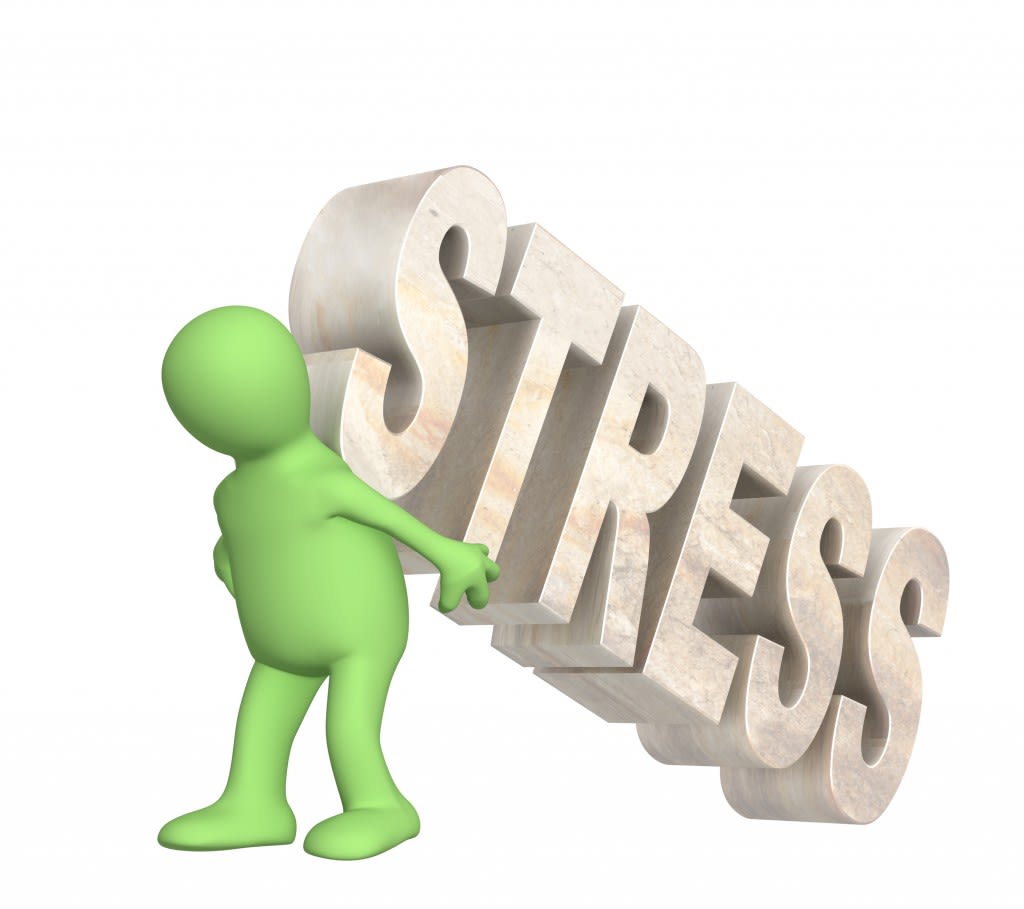
Title: Understanding Psychological Stress: Causes, Effects, and Coping Strategies
Psychological stress is an inevitable part of modern life, and it can affect people of all ages and backgrounds. From the demands of work and relationships to financial pressures and personal challenges, stress can have a significant impact on our mental and physical well-being. In this article, we will delve into the causes, effects, and coping strategies for psychological stress, providing a comprehensive understanding of this common phenomenon.
Causes of Psychological Stress: Psychological stress can stem from various sources, and what triggers stress in one person may not necessarily affect another in the same way. Some common causes of psychological stress include:
Life Events: Major life events such as divorce, loss of a loved one, job loss, or moving to a new place can create significant stress. These events often disrupt our routine and require us to adapt to new circumstances, which can be emotionally challenging.
Work-related Stress: Work-related stress can arise from heavy workloads, tight deadlines, difficult bosses or colleagues, lack of job security, or career transitions. The constant pressure to perform well and meet expectations can lead to chronic stress.
Financial Stress: Financial stress can result from financial instability, debt, or inability to meet basic needs. The constant worry about money can cause persistent stress and anxiety, affecting one's overall well-being.
Relationship Issues: Difficulties in personal relationships, such as conflicts with family members, friends, or romantic partners, can lead to psychological stress. Interpersonal conflicts, communication breakdowns, and unresolved issues can contribute to ongoing stress.
Academic Stress: Students often face stress from academic demands, such as exams, assignments, and performance expectations. The pressure to excel in academics and meet academic goals can lead to stress and anxiety.
Effects of Psychological Stress: Psychological stress can have a wide range of effects on an individual's mental, emotional, and physical health. Some common effects of psychological stress include:
Mental and Emotional Health: Psychological stress can impact mental and emotional well-being, leading to symptoms such as anxiety, depression, mood swings, irritability, and difficulty concentrating. Chronic stress can also affect cognitive function and memory.
Physical Health: Prolonged stress can take a toll on physical health, leading to symptoms such as headaches, sleep disturbances, muscle tension, digestive issues, weakened immune system, and increased risk of chronic health conditions like cardiovascular disease, diabetes, and obesity.
Behavioral Changes: Stress can trigger changes in behavior, such as increased substance abuse, overeating, or withdrawing from social activities. Individuals may also experience changes in their appetite, sex drive, and motivation levels.
Interpersonal Relationships: Psychological stress can strain interpersonal relationships. The irritability, mood swings, and emotional distress associated with stress can impact communication, cause conflicts, and create distance between individuals and their loved ones.
Coping Strategies for Psychological Stress: Managing psychological stress is essential for maintaining overall well-being. Here are some coping strategies that can help individuals effectively deal with psychological stress:
Self-care: Practicing self-care is crucial for managing stress. This includes getting enough sleep, eating a balanced diet, engaging in regular physical activity, and taking time for relaxation and hobbies.
Time Management: Effective time management can help individuals reduce stress related to work, academics, and personal responsibilities. Prioritizing tasks, setting realistic goals, and delegating when possible can help individuals manage their time effectively.
Social Support: Talking to friends, family, or a therapist about one's stressors can provide emotional support and perspective. Surrounding oneself with a supportive network can help alleviate stress.
Stress Reduction Techniques: Practicing stress reduction techniques such as mindfulness meditation, deep breathing, progressive muscle relaxation, and yoga can prevent psychological stress .
About the Creator
thoma r
Article maker
Enjoyed the story? Support the Creator.
Subscribe for free to receive all their stories in your feed.
Comments
There are no comments for this story
Be the first to respond and start the conversation.