
Pros and cons upgrading polytechnic to university
The journey of upgrading polytechnic to university
The journey from polytechnic to university is complex. It involves big changes in how institutions work. These changes help meet the needs of students and the job market. Knowing the good and bad sides of this change is key to making smart choices.
What are disadvantage of changing polytechnic to university level
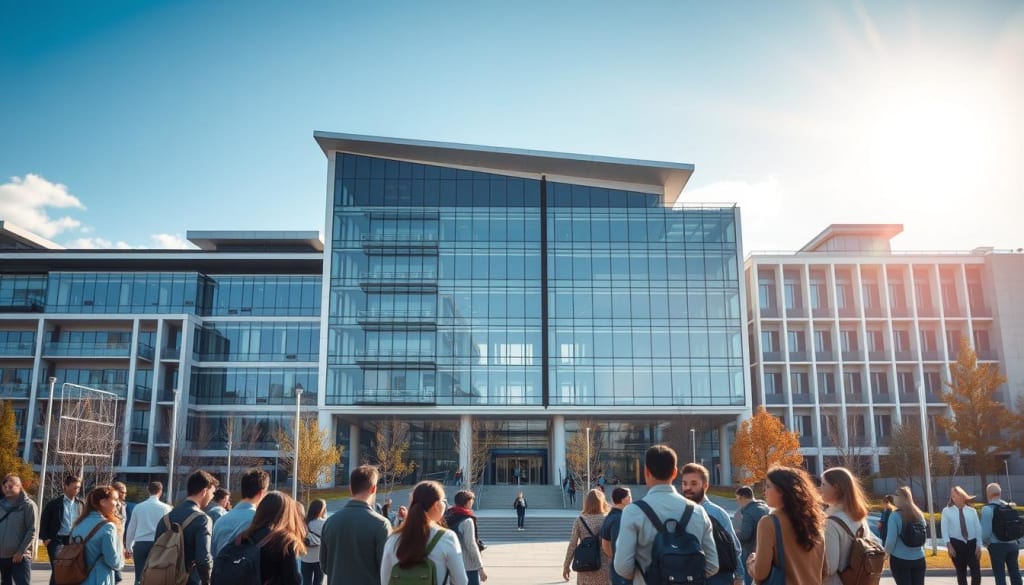
A modern university campus set against a backdrop of a traditional polytechnic institution, symbolizing the transition. In the foreground, a group of students engaged in discussion, representing the diverse population. The middle ground features a striking architectural contrast, with the sleek, contemporary university buildings juxtaposed with the more utilitarian polytechnic structures. Sunlight filters through, casting a warm, optimistic glow, hinting at the promise of progress and growth. The scene conveys a sense of momentum, as the polytechnic evolves into a fully-fledged university, bridging the gap between technical and academic excellence.
In the United States, many polytechnics are thinking about becoming universities. This move can open doors to more recognition and funding. But, it also brings challenges like figuring out how to make the switch smoothly. This requires careful planning and thinking about how it will affect everyone involved.
Key Takeaways
Upgrading a polytechnic to a university involves significant institutional transformation.
This transition is part of the broader educational evolution, aiming to meet the changing needs of students and the workforce.
Understanding the pros and cons of the polytechnic to university transition is essential for decision-making.
The transition can bring benefits such as increased recognition and potential funding opportunities.
Challenges include navigating the transition process and considering implications for students, faculty, and the community.
A comprehensive approach is necessary to balance the pros and cons of the transition effectively.
Understanding the Polytechnic to University Transition
The journey from a polytechnic to a university is complex. It involves deep institutional transformation. This change is pushed by shifts in educational trends and the need for polytechnic evolution to fit today's job market. Many polytechnics have turned into universities, offering more academic choices.
Key drivers for this change include the need for more academic programs, research, and community involvement. As educational trends keep changing, polytechnics must evolve to stay relevant. They need to give students the skills and knowledge for their future careers. This evolution means big changes in the institution's setup, courses, and culture, leading to institutional transformation.
Today's educational evolution shows the value of flexibility, innovation, and teamwork in learning. As polytechnics become universities, they must think about these aspects. They need to find ways to handle the challenges and chances that come with this change. By understanding the complexities of institutional transformation and the reasons behind polytechnic evolution, educators and leaders can make a smooth transition. This benefits the institution and its students.
What Are the Disadvantages of Changing Polytechnic to University Level
Thinking about switching from a polytechnic to a university? It's key to know the downsides of university status. One big challenge is losing the focus on practical, job-ready education. Polytechnics are all about hands-on learning, which might not fit the university model.
The move to university status can also mean higher costs and changes in what you learn. Challenges in transition might make it hard to keep the school's original goals and values. It's important to think about these points when deciding if becoming a university is right for you.
Here are some main differences between polytechnic and university education:
Academic focus: Universities tend to focus more on theory than practical skills.
Faculty requirements: University teachers usually need higher degrees and do more research.
Costs: Becoming a university can lead to higher costs for buildings, teachers, and running the school.
In summary, the downsides of changing to a university should be carefully considered. Knowing the challenges and differences between polytechnics and universities helps schools make smart choices. This way, they can keep offering top-notch education to their students.
Financial Implications of University Status
When a polytechnic becomes a university, it faces big financial implications. It needs to spend a lot on new buildings, higher operating costs, and maybe change tuition fees. These costs can really affect the decision to become a university and how it runs.
The financial implications of becoming a university are wide-ranging. The school might have to buy new buildings, tools, and tech for its new programs. This means big university costs, like building expenses and more money for daily operations. Also, the school might raise tuition fees to cover these higher costs.
Some important financial things to think about when a polytechnic becomes a university include:
Costs for new buildings and upgrading old ones
More money for hiring new teachers and buying new tech
Changes to tuition fees to cover the costs of university education
Understanding the financial implications of becoming a university helps schools plan better. This way, the transition can be smooth and good for both the school and its students.
Shifts in Academic Focus and Programming
When a polytechnic becomes a university, big changes happen. The academic focus grows to cover more subjects. This means students can study a wide range of fields, getting ready for the changing job market.
Changing programs is key in this move. The curriculum gets updated to fit the new university status. This might bring in new courses or departments. For example, a university could start a new arts or sciences faculty, giving students more choices.
academic focus
A well-lit university library interior, with floor-to-ceiling bookshelves lining the walls. Sunlight streams through large windows, casting a warm glow over the study desks where students sit intently, focused on their laptops and textbooks. The atmosphere is one of quiet concentration, with the occasional rustling of pages or tapping of keyboards. In the foreground, a group of students collaborate at a round table, their expressions intense as they pore over academic materials. In the background, a professor lectures at the podium, gesturing animatedly as students take diligent notes. The overall scene conveys a sense of academic rigor and intellectual engagement.
Expanded course offerings, allowing students to specialize in specific areas
Increased research opportunities, enabling faculty and students to engage in innovative projects
Enhanced collaboration with industry partners, providing students with practical experience and networking opportunities
Universities adapt to these changes to give students a better education. This prepares them for success in their careers. As they make these shifts, universities must keep their curriculum relevant and effective for everyone involved.
Impact on Faculty Requirements and Expectations
Changing from a polytechnic to a university brings big changes for teachers. Schools now have to meet qualification standards and research expectations for their staff. This change can be tough, as teachers might have to learn new things and take on different roles.
Some big changes teachers might see include:
New faculty requirements, like needing more advanced degrees or training
Higher research expectations, like publishing papers and getting grants
Changes in how much they teach, which could mean more or fewer classes
These changes can really affect teachers. Schools need to help them through this time. By offering support and training, schools can help teachers meet new qualification standards and do well in their jobs.
But there are also good sides to this change. Schools can attract and keep the best teachers by having clear faculty requirements and research expectations. This makes schools leaders in their field and draws in teachers who love to teach and do research.
Student Experience and Career Preparation Changes
Going from a polytechnic to a university changes a lot. University life gives a more complete education. It has more academic programs and research chances. This makes students better prepared for their future careers.
Some important things about university life include:
More access to resources like libraries, labs, and career advice
Chances for internships, co-op programs, and hands-on learning
A variety of clubs and organizations for personal growth
These changes deeply affect career preparation. Students get to see new ideas and experiences. This shapes their professional dreams. With university resources, students can stand out in the job market.
University life gives students a chance to explore new interests and passions. It helps them develop skills and knowledge for their careers. By embracing university life, students can reach their full potential and have a fulfilling career.
Administrative and Governance Challenges
When a polytechnic becomes a university, it faces many challenges. These include changes to its structure and how it is governed. The institution must adapt to new standards, which can be complex.
One big challenge is meeting accreditation standards. Universities must follow strict rules set by accrediting agencies. This requires creating new policies and ways to check academic quality. Good governance helps make these changes smoothly.
Some important areas to focus on include:
Creating new academic programs and courses
Starting research centers and initiatives
Setting up policies for faculty evaluation and promotion
Building partnerships with industry and community
To overcome these challenges, institutions must focus on good governance and accreditation. This ensures a smooth transition and keeps academic standards high. Universities can then offer quality programs, support their community, and help with economic growth.
Community and Industry Partnership Effects
Changing from a polytechnic to a university can greatly affect community and industry partnerships. The university can grow its reputation and get more funding. It also offers students great opportunities. This change can bring big benefits, like more jobs and economic growth.
Some important effects include:
Changes in local economic effects, such as increased investment and job creation
Shifts in industry partnerships, including new collaborations and research initiatives
Enhanced community impact through increased engagement and outreach activities
community impact
A bustling community hub, filled with vibrant interactions and productive partnerships. In the foreground, diverse individuals collaborate on a project, their expressions animated and engaged. The middle ground showcases a modern, well-equipped workshop, where industry experts and students work side-by-side, sharing knowledge and expertise. In the background, a panoramic view of the cityscape, representing the integration of academic institutions with the local community and industries. Warm lighting casts a sense of cooperation and progress, while the high-angle perspective conveys a holistic, inclusive view of the community's impact.
For industry partnerships, the university will see new chances for working together. This could mean teaming up with local businesses and startups. Such partnerships can lead to new technologies and innovations. The economic effects can be big, with more jobs, investment, and growth.
Identity and Cultural Transformation Issues
When a polytechnic becomes a university, it faces a big identity transformation. This change is both tough and rewarding. It impacts the school's image and its cultural change, as it meets new academic standards.
The university culture that comes from this change is quite different. The school might start valuing research and academic success more. This change can be hard for some, but it also opens doors for growth.
Some important parts of identity transformation and cultural change in universities include:
Changes in what the school values and its mission
Shifts in what the school teaches and focuses on
Changes in what teachers and staff do and are expected to do
How it affects students and their future careers
In conclusion, changing from a polytechnic to a university needs careful thought. Understanding these changes helps schools smoothly make the transition. This way, they can build a strong university culture that helps everyone.
Timeline and Implementation Hurdles
When moving from a polytechnic to a university, the transition timeline and implementation challenges are key. A good plan helps avoid problems and makes the change smoother. It covers phasing, resource use, and managing stakeholders.
Creating a realistic timeline is important. It lets you slowly make changes. Here's how:
Check what you already have and what needs work.
Find areas that need better resources or skills.
Set clear goals for the transition.
Managing stakeholders well is also vital. You need to talk to everyone involved. This includes faculty, staff, students, and the community. It keeps them informed and involved.
By knowing the transition timeline and tackling implementation challenges, schools can make a successful change. This benefits students, teachers, and the community.
Conclusion: Balancing Progress with Practicality
The move from a polytechnic to a university is complex. It involves looking at many factors. The potential benefits like better academic standing and research chances are attractive. But, the practical challenges must also be considered.
We've talked about the financial implications, changes in academic focus, and what's needed from faculty. We've also looked at how it affects students, the administrative tasks, and partnerships with the community and industry. It's key to balance the desire for progress with the need for practical considerations for a successful change.
Institutions thinking about this change need to carefully evaluate the trade-offs. They should make a detailed plan and involve everyone to make the transition smooth. By focusing on transparency, adaptability, and the greater good, polytechnics can become strong universities. They can keep serving their communities well.
FAQ
What are the main advantages of upgrading a polytechnic to a university?
Upgrading a polytechnic to a university brings many benefits. It increases the school's prestige and allows for more degree programs. It also opens up new research opportunities. This change can lead to better job prospects for graduates and new ways for the school to make money.
How does the historical context and current trends influence the polytechnic to university transition?
The history and trends in higher education shape the transition. Knowing the past and current trends helps schools face challenges and seize opportunities. This knowledge is key to a smooth transition.
What are the potential disadvantages of changing a polytechnic to a university?
Changing to a university also has downsides. It can cost more for new buildings and higher operating costs. The focus of studies might also change. These factors need careful thought for a successful change.
How do the financial implications of university status affect the transition process?
Getting university status can be costly. It includes expenses for new buildings, higher operating costs, and possibly higher tuition fees. These financial aspects are crucial in deciding to make the change and running the university.
How does the academic focus and programming change when a polytechnic becomes a university?
When a polytechnic becomes a university, its focus and programs change. The curriculum broadens to meet more students and research interests. This change affects students and teachers alike.
What are the changes in faculty requirements and expectations during the transition?
The transition brings big changes for faculty. There are new qualification standards, research needs, and teaching loads. These changes can make it hard to keep top teachers.
How does the student experience and career preparation change with the transition?
The change to a university impacts students and their career prep. University life is different from polytechnic education. This leads to changes in student growth, career readiness, and satisfaction.
What are the administrative and governance challenges associated with the transition?
The transition faces many administrative and governance hurdles. These include changes in structure, meeting standards, and policy making. Addressing these challenges is vital for the university's success.
How do community and industry partnerships shift during the transition?
The transition affects partnerships with the community and industry. It can change the local economy and industry collaborations. The university must manage these changes to improve its reputation, secure funding, and offer valuable opportunities to students.
What are the identity and cultural transformation issues during the transition?
The transition also brings identity and cultural changes. The school's identity and culture evolve, affecting students, teachers, and staff. These changes can be both challenging and beneficial.
What are the timeline and implementation hurdles in the transition process?
Turning a polytechnic into a university is complex. It involves a detailed timeline and many challenges, like planning the transition and managing resources. Overcoming these hurdles is essential for success.
About the Creator
Enjoyed the story? Support the Creator.
Subscribe for free to receive all their stories in your feed.
Comments
There are no comments for this story
Be the first to respond and start the conversation.