

Professional athletes typically follow a rigorous workout routine that includes:
1-Strength training: Incorporating weightlifting and other resistance exercises to build muscle and increase power.
2-Endurance training: Engaging in cardio and other endurance activities to increase stamina and improve overall fitness.
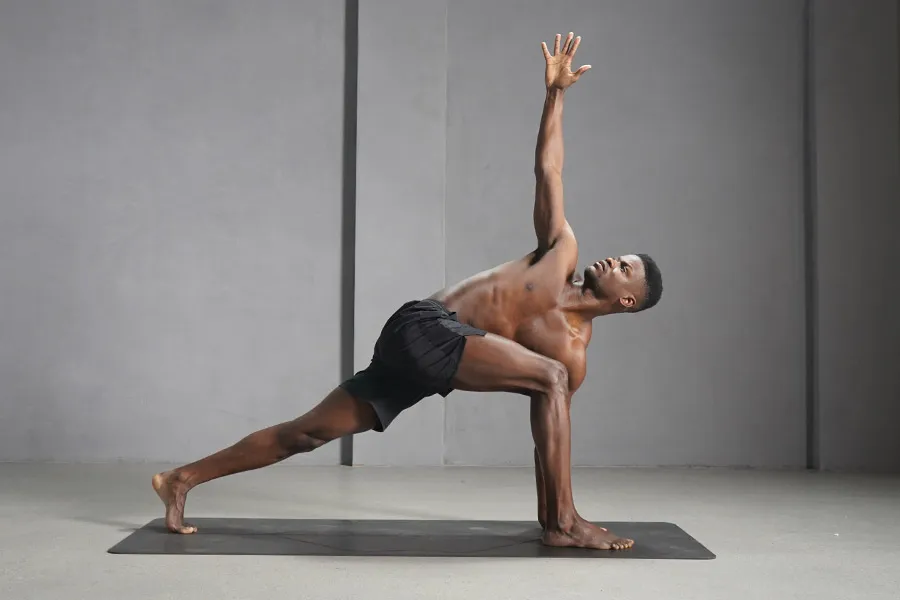
3-Flexibility and balance training: Incorporating stretching, yoga, and other exercises to increase flexibility and improve balance.
4-Sport-specific training: Practicing and honing their skills in their respective sport.
5-Recovery: Incorporating rest and recovery techniques such as massage, ice baths, and foam rolling to reduce injury risk and promote recovery.
6-Nutrition: Consuming a balanced and nutritious diet to fuel their bodies and support their training goals.
1-1/Strength training is a form of physical exercise that involves using resistance to muscular contraction to build and maintain muscle mass and strength. This can be done using free weights, weight machines, resistance bands, bodyweight exercises, or a combination of these methods. Strength training helps to increase muscle size, strength, and power, improve bone density, and enhance athletic performance. It can also help to reduce the risk of injury and improve overall health and well-being. Strength training is typically performed two to three times a week and involves multiple sets of each exercise, with the number of reps and resistance tailored to the individual's fitness level and goals.

2-2/Endurance training is a form of physical exercise designed to improve the body's ability to perform activities for long periods of time. It focuses on increasing the efficiency of the cardiovascular and respiratory systems. This can be done through activities such as running, cycling, swimming, or other aerobic exercises. Endurance training improves overall fitness, increases stamina, and helps the body burn fat more effectively. It is typically performed several times a week and involves gradually increasing the duration and intensity of the workout over time. Endurance training is important for many athletes, as it helps improve performance and reduces the risk of injury. It can also help improve overall health and well-being, and reduce the risk of certain health conditions, such as heart disease and diabetes.

3-3/Flexibility and balance training are forms of physical exercise that focus on improving flexibility, balance, and stability. Flexibility training involves stretching and other exercises to improve the range of motion in the joints and muscles. This can help prevent injury and improve athletic performance. Balance training involves exercises that challenge the body's balance, such as standing on one foot or doing balance exercises with stability balls. This helps improve balance, stability, and reduces the risk of falls and injury. Both flexibility and balance training can be done as part of a comprehensive workout routine, and can help improve overall fitness, health, and well-being. They can also be done as stand-alone exercises, or incorporated into other forms of physical activity, such as yoga or Pilates.
5-5/Recovery in sports refers to the process of allowing the body to repair and replenish itself after intense physical activity or competition. This includes both physical and mental recovery and is crucial for optimal performance and reducing the risk of injury.
Physical recovery includes activities such as rest, sleep, hydration, nutrition, massage, and foam rolling to help the body repair and rebuild damaged muscle tissue. Mental recovery includes activities such as meditation, visualization, and mindfulness to help the athlete cope with stress and improve mental well-being.
Recovery is an important part of any athlete's training regimen, as it helps to prevent burnout and improve performance over the long term. It also helps to reduce the risk of injury and keep the athlete in optimal health. Effective recovery strategies vary depending on the sport and individual needs, but may include regular rest days, regular massage therapy, and post-workout stretching and foam rolling.

6-6/Nutrition in sports refers to the role that proper nutrition plays in supporting athletic performance and recovery. A balanced and nutritious diet is essential for optimal athletic performance, as it provides the body with the necessary energy and nutrients to fuel intense physical activity.
Key components of a nutritious sports diet include:
1) Carbohydrates: for energy to fuel activity
2) Protein: for muscle repair and growth
3) Fats: for energy and hormone production
4) Vitamins and minerals: for overall health and well-being
5) Hydration: for proper fluid balance and performance
Athletes often need more calories and nutrients than sedentary individuals, and the specific nutritional needs of an athlete will vary depending on the sport, level of activity, and individual needs. Athletes may also need to adjust their diets depending on the specific demands of their sport and the stage of training or competition.
Working with a sports dietitian or nutritionist can help athletes determine their specific nutritional needs and create a diet plan that supports their athletic goals and performance. It is also important for athletes to pay attention to fueling and hydration before, during, and after physical activity to ensure optimal performance and recovery.

Note: Workouts can vary depending on the sport, position, and individual needs. Professional athletes often work with trainers and coaches to design a personalized workout routine.
About the Creator
Enjoyed the story? Support the Creator.
Subscribe for free to receive all their stories in your feed.
Comments
There are no comments for this story
Be the first to respond and start the conversation.