
Privacy Architecture for Luxury Homes: Invisible Fortresses for Elite Living
Invisible Fortresses, How Privacy Architecture Shapes the World’s Most Expensive Homes
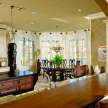

Privacy architecture for luxury homes has become a major part of modern high-end design. The world’s most expensive homes are no longer judged only by size, rare stone, fine wood, or wide views. They are also judged by how well they protect the people inside.
For many wealthy owners, privacy is a daily need. They want to live, work, rest, and host guests without feeling exposed. They want sunlight without open sightlines. They want outdoor space without public attention. They want strong protection, but they do not want their home to feel like a locked box.
This is why privacy architecture for luxury homes is so important. It blends beauty, comfort, and safety into one smooth design. The strongest features are often the hardest to notice.
The Quiet Shift in Luxury Design
Luxury design has changed. Older mansions often showed status through large gates, long drives, and grand fronts. Many new luxury homes still look impressive, but they are planned with more care. They focus on peace as much as display.
Privacy architecture for luxury homes supports this shift. It helps owners enjoy their space without drawing more attention. A home may look simple from the road, yet open into a large private world behind the walls.
This quiet style is popular because public attention is easier to create than ever. Phones, cameras, drones, and social media can make private spaces feel less private. Good design gives owners more control before a problem starts.
Land That Protects the Home
The land around a home can do a lot of privacy work. A house may sit behind a rise in the ground, a thick line of trees, or a curved entrance. These choices can block views from streets and nearby homes.
Designers often place the main rooms toward private gardens, water, or protected views. The public side of the home may have fewer windows and a calmer face. The private side may have glass walls, open terraces, and bright indoor spaces.
This is one of the key ideas in privacy architecture for luxury homes. The house does not need to close itself off from everything. It only needs to open in the right direction.
Entry Paths That Slow the Eye
A direct view from the street to the front door can expose too much. Expensive homes often avoid this by using layered entry paths. A driveway may curve through trees. A gate may lead to a small court before the main entrance appears. A wall may guide guests around a corner.
These design moves create privacy without making the property feel harsh. They slow the eye and limit what people can see at once. A guest experiences a calm arrival, while the home stays protected from outside view.
Privacy architecture for luxury homes often uses this kind of sequence. It does not reveal the whole property right away. It allows the home to unfold step by step.
Windows Planned for Privacy and Light
Large windows are a loved feature in expensive homes. They bring in daylight and connect rooms to views. Yet they can also expose bedrooms, baths, offices, and living areas.
Smart planning solves this issue. Windows can face courtyards instead of roads. High windows can bring light into private rooms. Screens, deep frames, and overhangs can reduce direct views from outside.
Smart glass adds another layer. It can become frosted when needed, then clear again when privacy is less important. In privacy architecture for luxury homes, glass is not just for views. It is used with purpose and care.
Outdoor Rooms Hidden From View
Luxury living often includes pools, lounges, outdoor kitchens, gardens, and wellness areas. These spaces feel best when they are open to the sky but closed to unwanted attention.
Designers create hidden outdoor rooms with walls, plants, level changes, and careful placement. A pool may sit behind a garden wall. A dining terrace may be tucked between two wings of the house. A spa may face a private courtyard.
These areas support the main goal of privacy architecture for luxury homes. They let owners enjoy outdoor life with freedom. The space feels open, but it is still protected.
Security That Blends Into Design
The most secure homes do not always look secure. Cameras, sensors, gates, and access systems can be hidden inside the design. A light post may hold a camera. A garden wall may include motion sensors. A simple door may use advanced access control.
This quiet method is better for daily living. Guests do not feel watched. Owners do not feel surrounded by equipment. The home keeps its beauty while still offering strong protection.
Privacy architecture for luxury homes works best when security feels natural. The design should help people feel safe, not tense.
Interior Layouts With Private Layers
Inside the home, privacy depends on how rooms connect. The best layouts create layers. Public rooms, such as lounges and dining rooms, stay near the entrance. More personal rooms, such as bedrooms, offices, and family spaces, sit deeper inside.
Staff areas may have separate halls, lifts, or service doors. Guest suites may be placed apart from the main family wing. A private office may have its own entry for business meetings.
These choices make daily life easier. The owner can host guests without opening the whole home. Family life can continue in comfort while events happen in another area.
Sound Control That Guards Daily Life
Sound is often forgotten in basic home design, but it matters a lot in luxury homes. A private talk should not carry into a hall. A home office should stay quiet. A bedroom should feel calm even when guests are present.
Privacy architecture for luxury homes uses sound control to solve this. Thick doors, sealed windows, soft wall materials, rugs, and acoustic panels can reduce noise. Mechanical systems can also be planned to run quietly.
This creates a deeper sense of peace. The home does not just block views. It also protects conversations, rest, and focus.
A Softer Kind of Fortress
The idea of an invisible fortress may sound cold, but the best homes feel warm and calm. They do not depend on fear or showy barriers. They use smart design to protect life in a quiet way.
Privacy architecture for luxury homes turns walls into gardens, entryways into gentle filters, and technology into hidden support. It lets a home feel open without giving up control.
In the world’s most expensive homes, true luxury is not only what people can see. It is also what remains unseen. Privacy gives owners the freedom to live fully, safely, and peacefully. That freedom is what makes these homes powerful, even when their strongest defenses stay invisible.
About the Creator
Inspirata Group
Inspirata Group is a luxury design-build firm that crafts high-end residences with expert craftsmanship, seamless project management, and a timeless architectural vision.
Portfolio Website: https://theinspiratagroup.com
Enjoyed the story? Support the Creator.
Subscribe for free to receive all their stories in your feed.
Comments