
Preparing for a Food Safety Audit: Tips for Restaurant Owners
Proper preparation involves incorporating internal false auditing to identify weaknesses and training personnel to effectively respond during official inspection.Check out the importance of proper commercial kitchen cleaning .

Preparation of food security audits is an important step for the owner of any restaurant to ensure compliance with health rules and maintain customer chairs. A successful audit not only helps identify potential risks, but also shows your commitment to high quality safe food service. Proper preparation includes review of hygiene practices, checking equipment functionality, maintaining accurate items and involving training personnel on safety protocols.
By addressing these areas in advance, the owners of the restaurant can reduce fractures, reduce the risk of food -borne diseases and create a culture of accountability. Finally, to be an audit maker, protection of both customers and corporate reputation.
1. Food Safety
Food security also includes sources from reliable suppliers to avoid purchasing materials and expired products. Following food security standards is not just a regulator requirement - it improves the customer's trust and loyalty. Being vigilant about food security reduces the risk and supports a healthy food environment.
2. Health Inspection
Health inspections are formal evaluation done by government officials to ensure food security and hygiene rules to comply with government officials. Inspheins consider hygiene, cooking, cooking methods and staff practice. Common health inspections help to identify potential risks, such as transverse or inappropriate temperature controls, before growing. Restaurants that perform well during inspection increase reputation and avoid fine or temporary closure.
Preparation in advance by maintaining records, training personnel and hygiene standards can make the inspection process even. Understanding inspection criteria and continuously implementing security measures ensures that restaurants remain obedient and provide safe food to customers.
3. Restaurant Hygiene
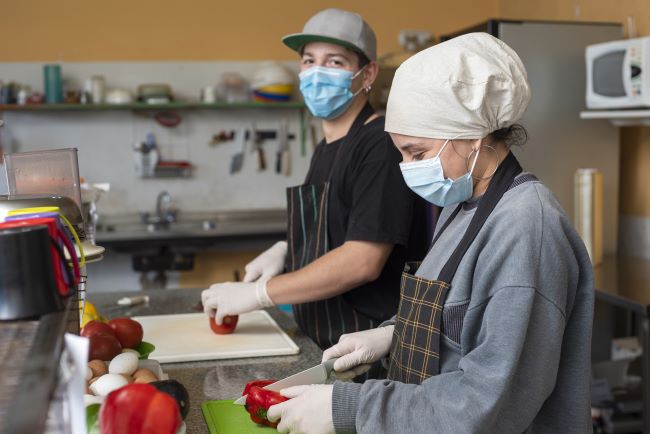
Restaurant hygiene involves all practice that maintains a clean and safe environment for cooking and service. This includes proper hand washing, disinfection of surfaces and equipment, waste management and controlling pests. Maintaining high hygiene standards reduces the risk of pollution and foodborne diseases. The staff must be trained in continuously following the hygiene protocol, such as using gloves or hair nets when needed. The hygiene extends to the food areas, kitchens and storage places, reflecting the general professionalism of the restaurant. It is necessary to prioritize hygiene not only for compliance with regulations, but also to create a positive customer experience, and ensure that dinner feels confident in the food they use.
4. Audit Preparation
Audit preparation is the process of organizing and reviewing all aspects of the restaurant operation to meet food security standards. This involves checking the staff's compliance with documentation, cleaning programs, cooking methods and safety protocols. Proper preparation involves incorporating internal false auditing to identify weaknesses and training personnel to effectively respond during official inspection.Check out the importance of proper commercial kitchen cleaning .
By preparing in advance, the owners of the restaurant can prevent normal fractures, reduce punishment and improve total operating efficiency. The preparation of the audit shows an active approach to food security, provides confidence among inspectors and strengthens the culture of accountability and professionalism in the team.
5. Staff Training
Personnel training is necessary to ensure that the member of each team understands and follows the practice of food security. Employees should be trained in hygiene, proper food handling, temperature control, cross institutional prevention and cleaning protocols. Regular workouts help you strengthen knowledge and update employees on new rules or procedures. It is less likely that well -trained employees make mistakes that can lead to food -borne diseases or violations of the audit.
Training also promotes teamwork and responsibility, and ensures that everyone takes responsibility for maintaining a safe and clean environment. Investment in the development of employees not only improves compliance, but also increases the reputation of customer chairs and restaurants.

6. Sanitation Standards
Sanitation standards are the specific rules and procedures restaurants follow to maintain cleanliness and prevent contamination. These standards cover food preparation areas, kitchen equipment, dining spaces, and employee hygiene. Regular cleaning, proper waste disposal, and disinfecting high-touch surfaces are essential components.
Adhering to sanitation standards reduces the risk of foodborne illnesses and ensures compliance during audits. Restaurants should implement checklists and monitoring systems to maintain consistency. Sanitation standards also include pest control and safe water usage. Maintaining high sanitation standards reflects professionalism, builds customer confidence, and forms a critical part of a restaurant’s overall food safety strategy.
7. Compliance Checklist
A conformity checklist is a unit used by restaurant owners to ensure that all food safety and hygiene requirements are met. It usually includes elements such as temperature monitoring, cleaning programs, staff hygiene and proper food storage. Using a checklist systematically helps to undergo operations, identify holes and take corrective measures before auditing.
According to local rules, the checklist regularly ensures that nothing is ignored. A well -maintained compliance shows diligence during checklist inspection and helps employees to follow standardized procedures. This is an effective way of organizing audit preparation and maintaining the ongoing farm for food security standards.
8. Food Handling
Food handling safely refers to appropriate techniques and practice for cooking, storage and serving food. This includes washing hands, using clean tools, preventing cross -pollution and cooking foods at safe temperatures. Taking the right food reduces the risk of development, pollution and food -borne diseases by handling the right foods. The staff must be trained in continuously following this practice, whether they are handling raw ingredients or serving dishes ready to eat.
Monitoring and maintenance of food management processes is important for compliance. Constant attention to handle safe food not only protects customers, but also increases the restaurant's reputation and shows commitment to high quality standards.
9. Risk Management
Risk management in a restaurant involves identifying, evaluating and reducing potential dangers of food security. This includes monitoring of storage temperature, prevents cross -country audits, ensures proper hygiene and handling allergies properly. By constantly addressing the risk, restaurants reduce food -borne diseases and the possibility of fractures. Risk management also includes random plans, such as tool errors or response to unexpected pollution.
Security checks and maintaining appropriate items over corrective tasks show responsibility for auditors. Effective risk management protects both customers and business, and promotes the culture of safety and responsibility between employees who ensure compliance with rules.
10. Record Keeping
To keep a record is a systematic document of all food safety -related activities, including temperature logs, cleaning programs, supplier details and training registers for the staff. Accurate items provide evidence of compliance with food security audits and help trace trends or recurrent problems. Proper documentation ensures that safety procedures are continuously followed and facilitate accountability.
Digital or manual record keeping systems can be used, but they should be easily accessible during the inspection. Maintaining a complete mail helps identify areas of improvement and show an active approach to food security. Reliable records are the cornerstone of audit preparedness and general operational skill in restaurants.
Conclusion :
Preparation of food security audits is necessary to safely, efficiently, effectively and comply with rules. By focusing on proper food handling, maintaining high hygiene standards, maintaining the training staff and keeping the exact items, the owners of the restaurant can reduce the risk and prevent fractures. Regular internal checks, compliance with hygiene protocols and compliance with the use of the checklist make the audit process even and more estimated.
In addition to the compliance compliance, as an audit edge, the customer shows an obligation to health and creates confidence in the brand. Finally, full preparation not only protects dinner, but also strengthens reputation and long -lasting success for the restaurant.
About the Creator
Enjoyed the story? Support the Creator.
Subscribe for free to receive all their stories in your feed.
Comments
There are no comments for this story
Be the first to respond and start the conversation.