
Power of the Atom: A 2025 Look at Nuclear Arsenals and Energy Leaders
Exploring the dual influence of countries wielding nuclear weapons and harnessing atomic energy for a new era
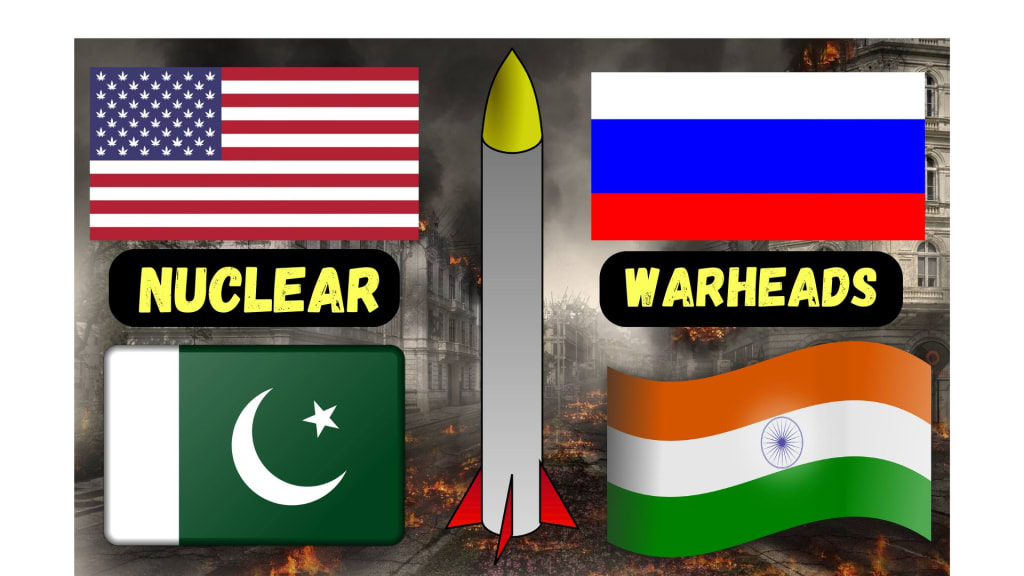
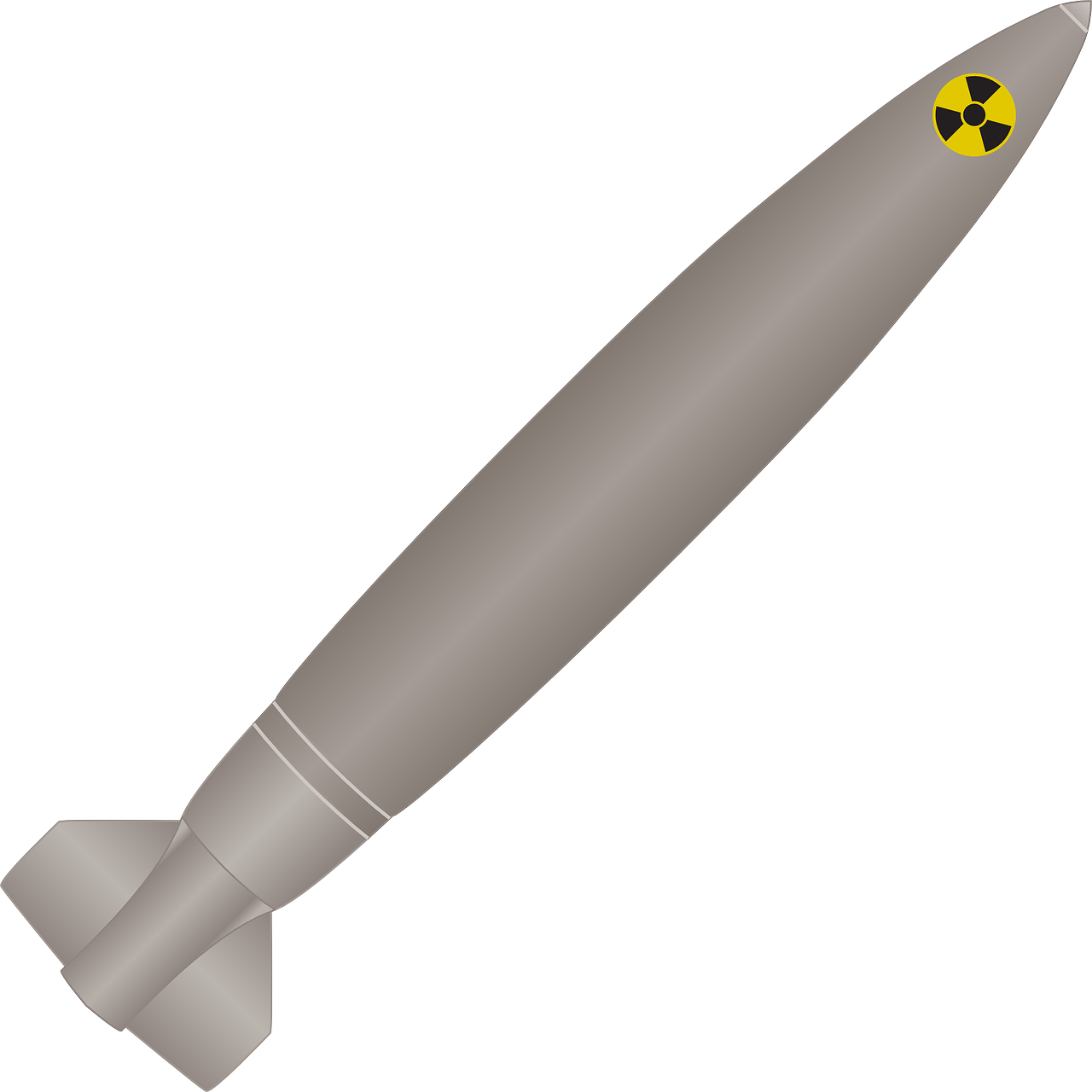
The concept of "powerful nuclear power" carries a dual meaning in the contemporary global landscape. It encompasses both the possession of nuclear weapons, which imbues nations with significant strategic and deterrent capabilities, and the capacity to harness nuclear fission for large-scale electricity generation, a crucial aspect of energy security for many. As we navigate the complexities of 2025, a select group of nations stands out in their command of these nuclear domains.
The Exclusive Club: Nations Armed with Nuclear Weapons
The possession of nuclear weapons remains a defining characteristic of a select group of nations, granting them a unique, albeit precarious, position in international relations. These arsenals, while theoretically serving as the ultimate deterrent against aggression, also represent a constant undercurrent of global security concerns. Data compiled by the esteemed Federation of American Scientists (FAS) in early 2025 provides a crucial snapshot of the distribution of these formidable weapons. The estimated global total hovers around 12,331 nuclear warheads, a stark reminder of the destructive potential at humanity's fingertips.
- The Russian Federation:
Holding the largest stockpile, estimated at approximately 5,449 nuclear warheads, Russia's nuclear arsenal is a significant factor in its geopolitical influence. The modernization and posture of these forces are closely monitored globally.
- The United States of America:
With an estimated 5,277 nuclear warheads, the United States maintains the second-largest inventory. Like Russia, the U.S. is engaged in modernizing its nuclear triad.
- The People's Republic of China:
Possessing an estimated 600 nuclear warheads, China's nuclear capabilities are noteworthy due to their ongoing and reportedly rapid expansion. This growth is a subject of considerable international attention and analysis.
- The French Republic:
France maintains an independent nuclear deterrent with approximately 290 nuclear warheads, a cornerstone of its defense policy.
- The United Kingdom:
With an estimated arsenal of around 225 nuclear warheads, the UK's nuclear capability is sea-based.
- The Republic of India:
India's nuclear arsenal is estimated at around 180 warheads, and the nation continues to develop and refine its nuclear delivery systems.
- The Islamic Republic of Pakistan:
Possessing an estimated 170 nuclear warheads, Pakistan's nuclear program is a key element of its security calculus in a complex regional environment.
- The State of Israel:
Believed to possess approximately 90 nuclear warheads, Israel maintains a long-standing policy of nuclear ambiguity, neither confirming nor denying its arsenal.
- The Democratic People's Republic of Korea:
North Korea is estimated to possess around 50 nuclear warheads and has conducted several nuclear tests, raising significant international concerns.
Collectively, Russia and the United States account for roughly 88% of the world's total nuclear warheads, underscoring their dominant position in this critical domain.
Harnessing the Atom: Nuclear Power for Energy Generation
Beyond the realm of military applications, nuclear power plays a vital role in the energy mix of numerous countries, offering a low-carbon alternative for electricity generation. As of 2023, 32 nations operate nuclear power plants, contributing significantly to their energy independence and climate goals. Here, we highlight some of the leading countries in terms of installed nuclear electricity generation capacity:
The United States:
Stands as the leader with an impressive installed nuclear capacity of approximately 97 gigawatts (GW). This capacity contributes about 20% to the nation's total electricity production, making it a substantial component of its energy infrastructure.
The French Republic:
Demonstrates a strong reliance on nuclear energy, with an installed capacity of around 61.3 GW. Notably, nuclear power accounts for nearly 70% of France's electricity generation, the highest proportion globally, highlighting its commitment to this energy source.
The People's Republic of China:
Exhibits significant growth in its nuclear power sector, with an operational capacity of about 57 GW. While nuclear energy currently constitutes around 5% of its total electricity mix, China has the most nuclear reactors under construction globally, signaling a future increase in its nuclear energy footprint.
Japan:
Operates with a nuclear power capacity of 31.7 GW. Despite the impact of the Fukushima Daiichi accident, Japan continues to utilize nuclear energy as part of its diversified energy strategy.
The Russian Federation:
Possesses a nuclear power capacity of approximately 29.6 GW, contributing around 20% to its domestic electricity supply. Russia is also actively involved in the international nuclear energy market.
In conclusion, "powerful nuclear power" in 2025 is a multifaceted concept. It encompasses the stark reality of nuclear weapons held by a select group of nations, shaping global security dynamics, and the increasingly important role of nuclear energy in providing clean and reliable electricity for a wider range of countries. The nations highlighted in this analysis represent the forefront of both these critical aspects of nuclear power in the current global context
About the Creator
Enjoyed the story? Support the Creator.
Subscribe for free to receive all their stories in your feed.
Comments
There are no comments for this story
Be the first to respond and start the conversation.