
Poverty
The World Bank Group uses the latest data, evidence, and analysis to help countries develop policies to effectively tackle poverty and improve people's lives.

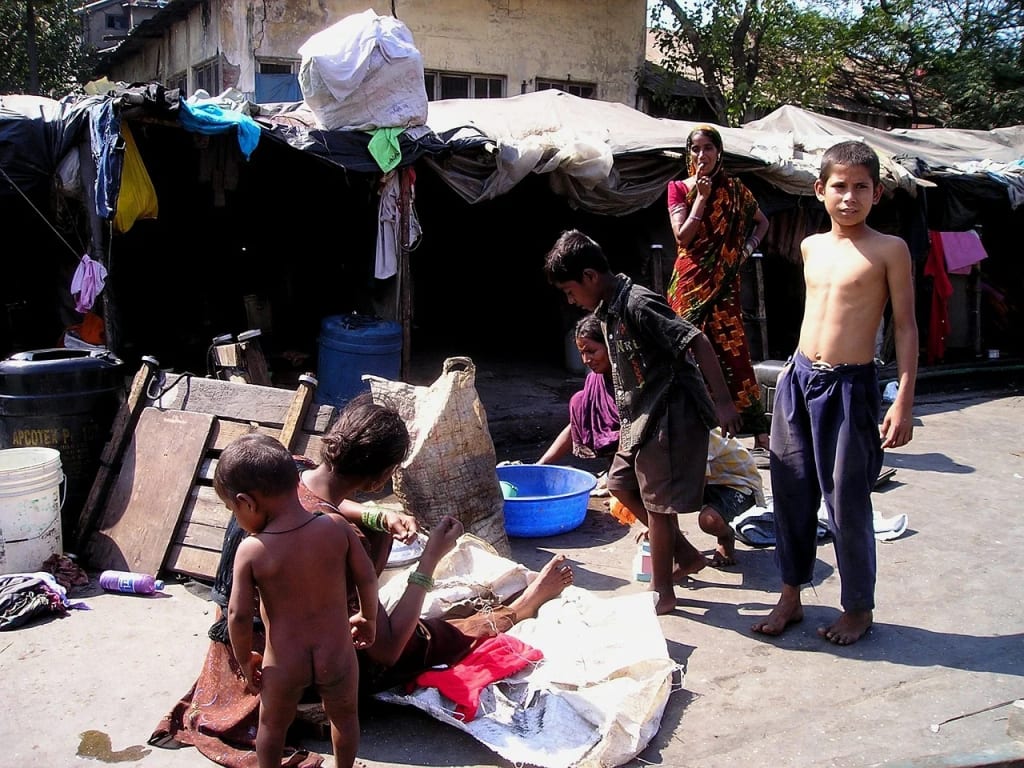
Poverty is one of the most serious and long-lasting problems facing the world today. It affects millions of people across different countries, making it hard for them to access basic needs like food, clean water, education, healthcare, and safe shelter. Inequality, social injustice, and a lack of opportunities are all aspects of poverty, in addition to a lack of money. People living in poverty often face obstacles that make it extremely hard to improve their lives, such as poor education systems, lack of healthcare, high unemployment, and weak infrastructure. In many developing countries, poverty traps entire families and communities for generations. Organizations like the World Bank play an important role in reducing poverty. They conduct research, collect data, and assist governments in developing poverty-fighting policies. One of their main goals is to promote inclusive growth—economic progress that benefits everyone, especially the poor. By offering financial support, expert advice, and forming partnerships with other groups, the World Bank works to improve access to education, healthcare, and job opportunities. One of the most effective strategies for combating poverty is education. When children from poor families get access to good education, they gain the skills and knowledge needed to secure better jobs in the future. This helps them support themselves and their families, breaking the cycle of poverty. People with education are more likely to make well-informed decisions, lead healthier lives, and make positive contributions to society. Poverty is primarily caused by unemployment. People have a hard time meeting even the most basic needs if they don't have jobs that are stable and pay well. In rural areas, many people depend on farming, but their efforts are often affected by droughts, floods, and lack of modern tools or knowledge. In cities, rapid population growth and poor planning lead to slums, overcrowded housing, and low-paying informal work. To address these problems, governments should focus on creating more job opportunities, investing in skills training, and supporting small businesses. In the fight against poverty, equality of rights is also essential. Many women and minority groups face discrimination that prevents them from getting an education, owning property, or finding decent work. Promoting gender equality and protecting the rights of all people can help reduce poverty significantly. Poor health is closely linked to poverty. Even minor illnesses can become life-threatening for those living in poverty because they often cannot afford medical care. Malnutrition is another serious issue, especially for children, who may not grow properly or perform well in school. To fight this, health and nutrition programs are needed in poor communities. Providing vaccinations, clean water, and proper sanitation can improve public health and help people escape poverty. Poverty is getting worse as a result of climate change. Natural disasters like floods, droughts, and hurricanes are becoming more frequent and damaging. These events destroy homes, farms, and jobs—especially in poor areas where people already have few resources. Poor communities are less able to recover from such disasters, which keeps them trapped in poverty. Therefore, tackling climate change and helping communities adapt is now an essential part of fighting poverty. In conclusion, poverty is a global issue that requires attention, effort, and compassion from all levels of society. Solving it is not just a moral duty, but also a step towards a better, more stable world. When people are healthy, educated, and employed, they can contribute more to their communities and economies. Ending poverty requires cooperation between governments, organizations, businesses, and individuals. With smart strategies and a strong commitment, a future without poverty is possible.
About the Creator
Enjoyed the story? Support the Creator.
Subscribe for free to receive all their stories in your feed.
Comments
There are no comments for this story
Be the first to respond and start the conversation.