
Physiotherapy for Rotator Cuff Injuries
Restoring Shoulder Strength and Mobility Through Targeted Rehabilitation

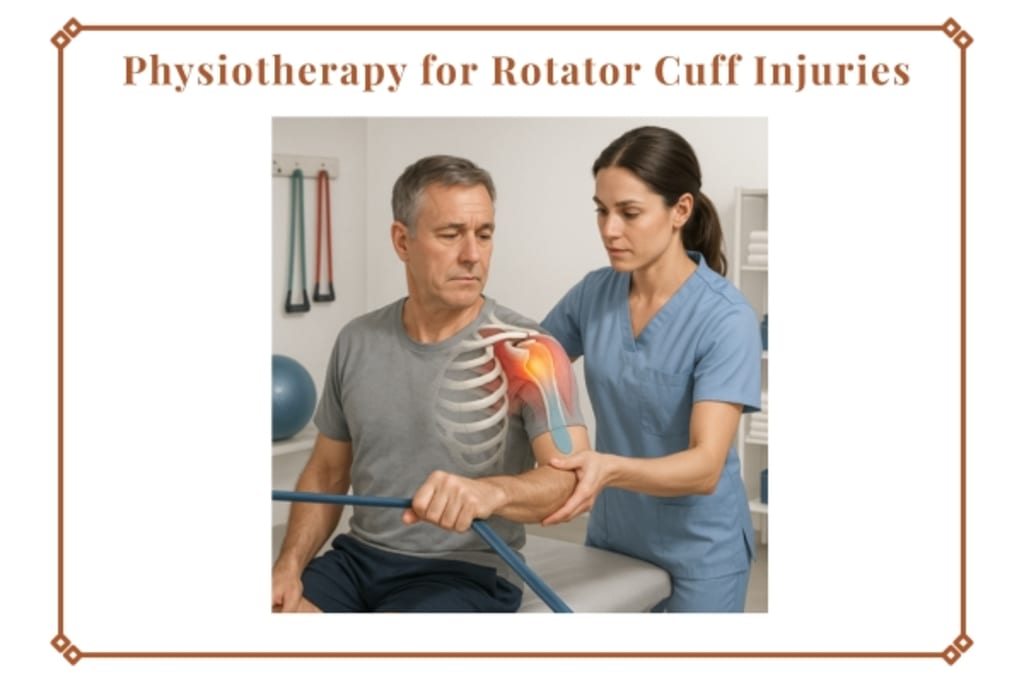
A rotator cuff injury can severely limit your mobility, especially if you’re an athlete, tradesperson, or dealing with the effects of ageing. Whether you've got a partial tear, shoulder impingement, or are recovering from tendonitis, physiotherapy offers a clinically proven path to healing, often avoiding the need for surgery. This guide will walk you through everything you need to know about physiotherapy options in Australia.
What is a Rotator Cuff Injury?
The rotator cuff is a group of four muscles and tendons that stabilise the shoulder. When these are strained, torn, or inflamed, the result is a rotator cuff injury. This injury is commonly seen in:
- Older adults with natural tendon degeneration
- Athletes involved in overhead motions (e.g., cricket, swimming)
- Workers with repetitive overhead tasks
- Those with poor posture or muscle imbalances
Common Symptoms:
- Dull shoulder pain that worsens at night
- Difficulty reaching behind your back or lifting your arm
- Weakness in the shoulder or arm
- Clicking or popping sounds during movement
- Causes of Rotator Cuff Injuries
Injuries can be either acute (from trauma or lifting something too heavy) or chronic (from overuse). Ageing is a significant risk factor, especially from 40 years onwards. Other causes include:
- Repetitive strain from work or sport
- Shoulder impingement syndrome
- Poor posture and muscle imbalances
- Bone spurs rubbing against the tendons
How Physiotherapy Helps Heal a Rotator Cuff Injury
Physiotherapy plays a crucial role in recovery, reducing pain and restoring function. Early intervention often eliminates the need for surgery, particularly for partial tears.
Benefits of Physiotherapy:
- Reduces pain and inflammation
- Strengthens supporting muscles
- Improves range of motion and joint stability
- Addresses underlying causes (e.g., posture, technique)
Tailored Program May Include:
- Manual therapy techniques
- Electrotherapy and dry needling
- Postural correction
- Shoulder mobility routines
- Progressive strengthening
Consider seeking a physiotherapy home service if mobility is a challenge. Clinics like Go Run Go Physio offer both in-clinic and mobile sessions.
Therapy for Torn Rotator Cuff: What to Expect
When dealing with a torn rotator cuff, treatment depends on the severity:
For Minor or Partial Tears:
- Rest and ice in the early stage
- Structured rehabilitation with a physiotherapist
- Gradual return to activities
For Larger Tears or Severe Pain:
- Immobilisation using a sling (short term)
- Cortisone injections for inflammation (if advised)
- Ongoing physio-focused exercise therapy
The goal is to promote natural healing while maintaining shoulder mechanics.
Rotator Cuff Injury Exercises You Can Start With
Once cleared by a physiotherapist, you may begin gentle exercises to aid recovery. These are commonly prescribed:
- Pendulum Swings – for early mobilisation
- Isometric Shoulder Abduction – builds strength without joint movement
- Scapular Retractions – targets posture and shoulder blade control
- Theraband External Rotations – improves rotator cuff strength
- Always start with supervision and adjust based on pain or fatigue.
How Long Does it Take a Rotator Cuff to Heal?
Recovery times vary based on injury severity, age, and compliance with therapy:
- Minor strain: 2–4 weeks
- Partial tear: 6–12 weeks
- Severe tear (non-surgical): Up to 6 months
- Post-surgery recovery: 4–6 months minimum
Staying consistent with your physiotherapy services is key to reducing healing time and preventing future re-injury.
FAQs
Q1. What is the fastest way to heal a rotator cuff injury?
Answer: A combination of early diagnosis, rest, and guided physiotherapy is the fastest path to healing. Avoid overhead movements and apply ice to reduce swelling.
Q2. Can a torn rotator cuff heal without surgery?
Answer: Yes, many partial tears can heal without surgery through a structured physiotherapy programme and lifestyle modification.
Q3. When should I see a physiotherapist for shoulder pain?
Answer: If the pain persists beyond a few days, worsens with movement, or affects sleep and daily tasks, consult a physiotherapist promptly.
Q4. Is it okay to exercise with a rotator cuff injury?
Answer: Yes, but only with guidance. Avoid aggravating exercises and stick to a programme tailored by your physiotherapist.
Q5. How long before I can return to sport or work?
Answer: Depending on severity, most patients return to normal activities within 2–6 months with consistent rehab.
Q6. What happens if a rotator cuff tear is left untreated?
Answer: Untreated tears can lead to chronic pain, reduced mobility, and further degeneration of shoulder structures.
Q7. Can physiotherapy help older adults with shoulder pain?
Answer: Absolutely. Physio strengthens the muscles around the shoulder and improves joint function, especially helpful for age-related degeneration.
Q8. Is a physiotherapy home service effective for shoulder rehab?
Answer: Yes. Many Australian services, including Go Run Go Physio, provide mobile physio that brings expert treatment directly to your door.
Conclusion
A rotator cuff injury doesn’t have to mean long-term pain or surgery. With the right physiotherapy services, tailored exercises, and consistent rehab, recovery is achievable. Whether you're an athlete, a labourer, or simply someone wanting to maintain mobility as you age, physiotherapy offers a science-backed, safe route to healing.
Ready to take the next step? Find trusted physiotherapy near you, or explore Go Run Go Physio for comprehensive shoulder rehabilitation services.
About the Creator
Go Run Go Physio
Expert physiotherapy for back, shoulder, and knee pain in Oakleigh South. Go Run Go Physio offers personalized care to help you move better and live pain-free.
Enjoyed the story? Support the Creator.
Subscribe for free to receive all their stories in your feed.
Comments
There are no comments for this story
Be the first to respond and start the conversation.