
Parent’s Role in Teaching Environmental Awareness: Practical Ideas
Parent’s Role in Teaching Environmental Awareness: Practical Ideas
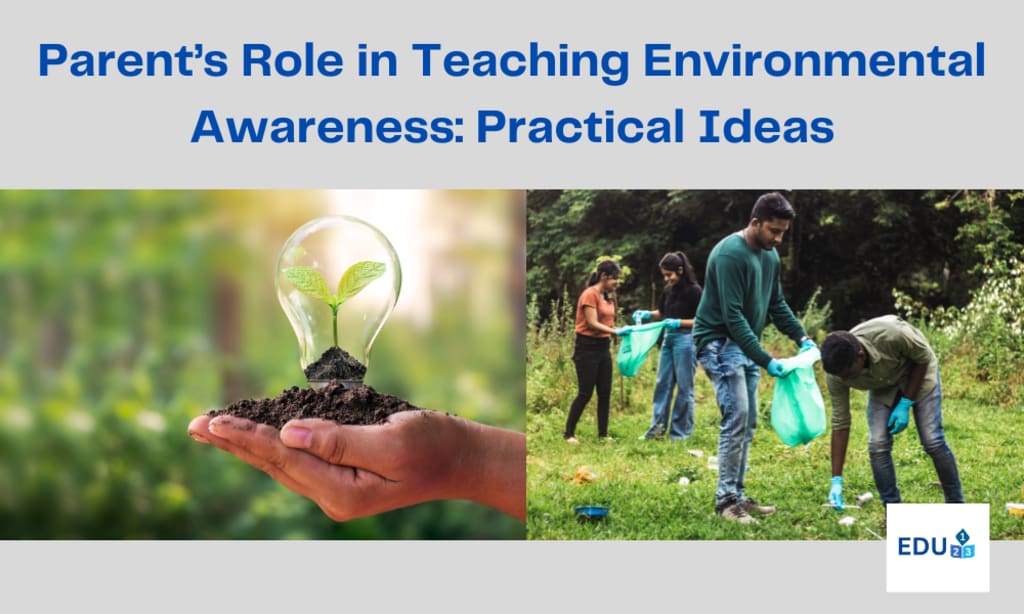
Every action we take today shapes the world our children will inherit tomorrow. As parents, fostering Environmental awareness in our children isn’t just an opportunity but a responsibility.
With climate change, deforestation, and pollution on the rise, raising environmentally conscious kids is more important than ever.
But how do we make environmental awareness a household value without it feeling like a chore? The answer lies in practical, everyday actions that parents can seamlessly incorporate into their lives.
Why Teaching Environmental Awareness Matters
Environmental awareness equips children with the knowledge and sensitivity needed to respect and protect nature. It’s about teaching them how their actions, no matter how small, can impact the planet.
By instilling these values early, we’re raising future leaders who prioritize sustainability and ethical living. For parents, this is a chance to bond with their children while shaping them into thoughtful global citizens.
Practical Ideas to Teach Environmental Awareness
Here are some actionable ways parents can nurture a green mindset in their kids:
1. Lead by Example
Children are natural mimics—they learn more from what we do than what we say. Show your kids how to live sustainably by practicing habits like recycling, avoiding single-use plastics, and conserving water.
When they see you turning off lights when leaving a room or carrying a reusable water bottle, these habits will naturally become part of their behavior.
2. Introduce Nature Early
Developing a love for the environment begins with appreciating its beauty. Take your children for nature walks, hikes, or visits to botanical gardens and national parks.
Let them observe wildlife, plant life, and the interconnectedness of ecosystems. When kids experience nature firsthand, their curiosity grows, creating a natural foundation for environmental awareness.
3. Encourage Gardening
Gardening is an excellent way to teach kids about sustainability and patience. Create a small vegetable or herb garden at home and involve your children in planting, watering, and harvesting.
It’s a hands-on way to show them how food grows and the importance of nurturing the earth. Plus, it may even encourage them to eat more greens!
4. Make Recycling Fun
Recycling doesn’t have to be boring. Turn it into an engaging activity by setting up separate bins for paper, plastic, and glass and having your kids decorate them.
You can also show them creative ways to upcycle items, like turning old jars into plant holders or making art from used cardboard.
5. Teach About Waste Management
Help children understand what happens to waste after it leaves our homes. Watch videos or visit a local waste management facility to show them how waste is processed and the importance of reducing landfill waste.
Encourage them to think before discarding items, emphasizing repair, reuse, and recycling.
6. Read and Watch Together
Books and documentaries are fantastic tools for raising environmental awareness. Stories about endangered animals, conservation heroes, or the effects of pollution can inspire children to take action.
Popular documentaries like Our Planet or books like The Lorax by Dr. Seuss can make learning fun and impactful.
7. Participate in Community Cleanups
Take your children to community cleanup drives. Whether it’s a beach, park, or neighborhood street, participating in such events gives them a sense of responsibility and accomplishment.
It also helps them understand how teamwork can create a positive impact on the environment.
8. Practice Sustainable Shopping
Teach kids the value of mindful consumption. Involve them in choosing eco-friendly products, buying locally, or supporting brands that follow sustainable practices. Explain how every purchase decision can influence the environment.
Involve Schools and Communities
Parents can’t do it all alone. Schools play a critical role in fostering environmental awareness.
Collaborate with your child’s school to support initiatives like tree planting, recycling programs, or sustainability clubs. Engage with local organizations that focus on conservation or community greening projects.
The Role of Technology in Teaching Environmental Awareness
Technology can be a great ally in teaching environmental awareness. Use apps that calculate your carbon footprint or encourage kids to play eco-friendly games that teach sustainability concepts.
Tools like virtual reality can also offer children immersive experiences of rainforests, oceans, or other ecosystems, making learning engaging and memorable.
Everyday Green Practices
Here are some simple yet effective habits to adopt as a family:
Use public transportation or carpool to reduce carbon emissions.
Avoid food waste by planning meals and composting leftovers.
Say no to single-use plastics, such as straws, bags, and utensils.
Save water by fixing leaks and turning off taps when not in use.
The Long-Term Impact
The lessons you teach today can influence your child’s choices for a lifetime. Kids who grow up understanding environmental awareness are more likely to pursue green careers, advocate for policy changes, and live sustainably. They become ambassadors for the planet, inspiring others to do the same.
Conclusion
As parents, the journey to fostering environmental awareness in children is as rewarding as it is impactful.
By incorporating eco-friendly practices into daily life and nurturing a love for the environment, we’re not just protecting our planet—we’re empowering our children with the tools to create a sustainable future.
Let’s take the first step today because, together, we can make a world of difference.
About the Creator
Enjoyed the story? Support the Creator.
Subscribe for free to receive all their stories in your feed.
Comments
There are no comments for this story
Be the first to respond and start the conversation.