
Overview of AI(Artificial Intelligence)
Unleashing the Power of Artificial Intelligence
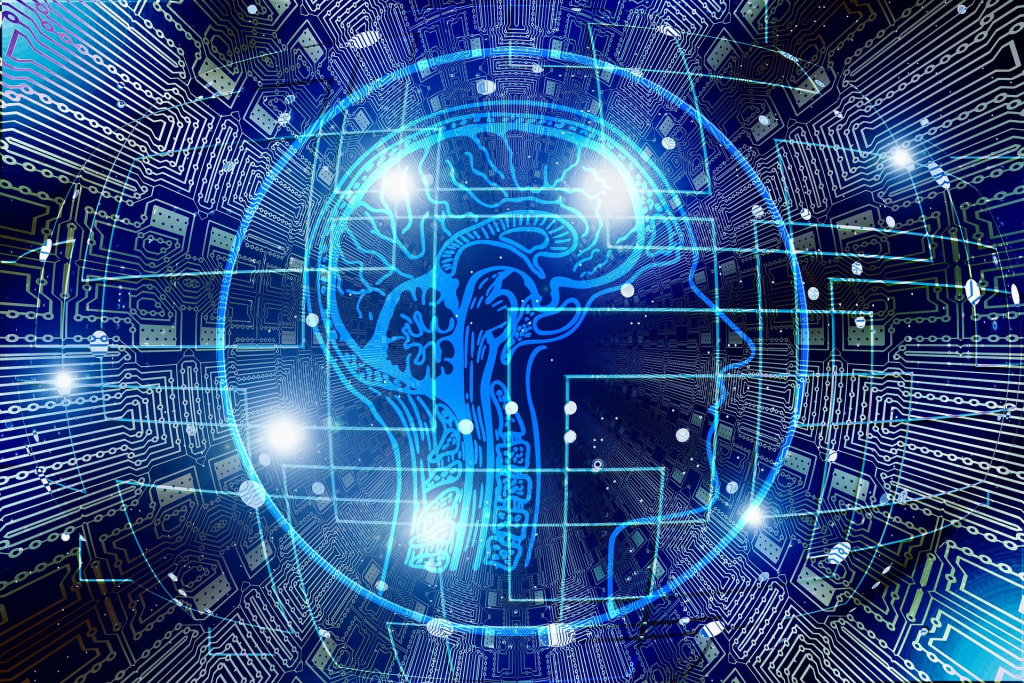
Artificial Intelligence (AI) refers to the simulation of human intelligence in machines that are designed to think and act like humans. These intelligent machines can be trained to perform tasks that normally require human intervention such as speech recognition, decision making, and language translation.
There are different types of AI, including:
Reactive machines: AI systems that can only react to the environment, such as IBM’s Deep Blue chess computer.
Limited memory: AI systems that can use past experiences to inform future decisions, such as self-driving cars.
Theory of mind: AI systems that can understand and interpret human emotions, such as Siri and Alexa.
Self-aware: AI systems that have a sense of self and consciousness, although this type of AI is still purely theoretical.
The development of AI has the potential to revolutionize various industries, such as healthcare, finance, and transportation. However, it also raises ethical and privacy concerns, such as the potential loss of jobs and the use of AI for malicious purposes.
The field of AI is constantly evolving, with researchers and tech companies actively working to advance the technology and make it more accessible to the public.
How AI works in IT:
AI uses algorithms and statistical models to perform tasks that typically require human intelligence. In IT, AI is used for various applications such as recommendation systems, fraud detection, natural language processing, and computer vision. These algorithms are trained on large amounts of data and use patterns in the data to make decisions and predictions. AI technology is constantly improving and being integrated into various industries, leading to significant advancements in efficiency and accuracy.
There are various techniques used in AI such as supervised learning, unsupervised learning, and reinforcement learning. Supervised learning uses labeled data to train the algorithm and make predictions. Unsupervised learning works with unlabeled data and identifies patterns and relationships within the data. Reinforcement learning involves training an AI model through trial and error, where it learns from past mistakes and gradually improves its decision-making.
Overall, AI has the potential to transform the way businesses operate, enhance decision-making, and automate mundane tasks. However, it is important to ensure that AI is used ethically and responsibly and to consider the potential consequences of its widespread adoption.
AI works in a variety of industries outside of IT, including:
Healthcare: AI is used to analyze medical images, make diagnoses, and develop personalized treatment plans.
Finance: AI is used to detect fraud, analyze financial data, and make predictions about market trends.
Retail: AI is used to recommend products, analyze customer behavior, and optimize pricing strategies.
Manufacturing: AI is used to monitor production processes, predict equipment failure, and optimize supply chain management.
Transportation: AI is used to optimize logistics and improve traffic flow.
Energy: AI is used to monitor energy usage, predict equipment failure, and optimize energy production.
Agriculture: AI is used to optimize crop yields, predict weather patterns, and manage pests and diseases.
In these industries, AI is used to automate tasks, make predictions, improve efficiency, and enhance decision-making. AI algorithms are trained on large amounts of data and use patterns in the data to make decisions and predictions. The specific techniques used vary depending on the industry and the type of data being analyzed. However, the general goal is to use AI to make better decisions, improve operations, and drive growth.
AI is growing rapidly due to advancements in technology and the increasing availability of data. Some key factors driving the growth of AI include:
Improved Algorithms: New algorithms and techniques are being developed that allow AI to process more data and make more accurate predictions.
Increased Computing Power: The availability of powerful computing resources is making it possible to train larger and more complex AI models.
Big Data: The growth of data sources, such as the Internet of Things (IoT) and social media, is providing AI with more data to train on and make predictions.
Advances in Cloud Computing: The growth of cloud computing is making it easier for organizations to access and process large amounts of data.
Investment: Governments, businesses, and venture capitalists are investing heavily in AI, driving research and development in the field.
Widespread Adoption: AI is being adopted across a wide range of industries, from healthcare to finance to retail, leading to increased demand for AI technology.
Overall, the growth of AI is driven by a combination of technical advancements and increased demand for the technology. As AI continues to improve and become more widely adopted, it has the potential to transform industries and improve our daily lives.
About the Creator
Enjoyed the story? Support the Creator.
Subscribe for free to receive all their stories in your feed.
Comments
There are no comments for this story
Be the first to respond and start the conversation.