
Overcoming the Challenges of Technology Integration in Education
Empowering Teachers to Embrace the Future of Learning by Addressing Key Barriers and Providing Essential Support

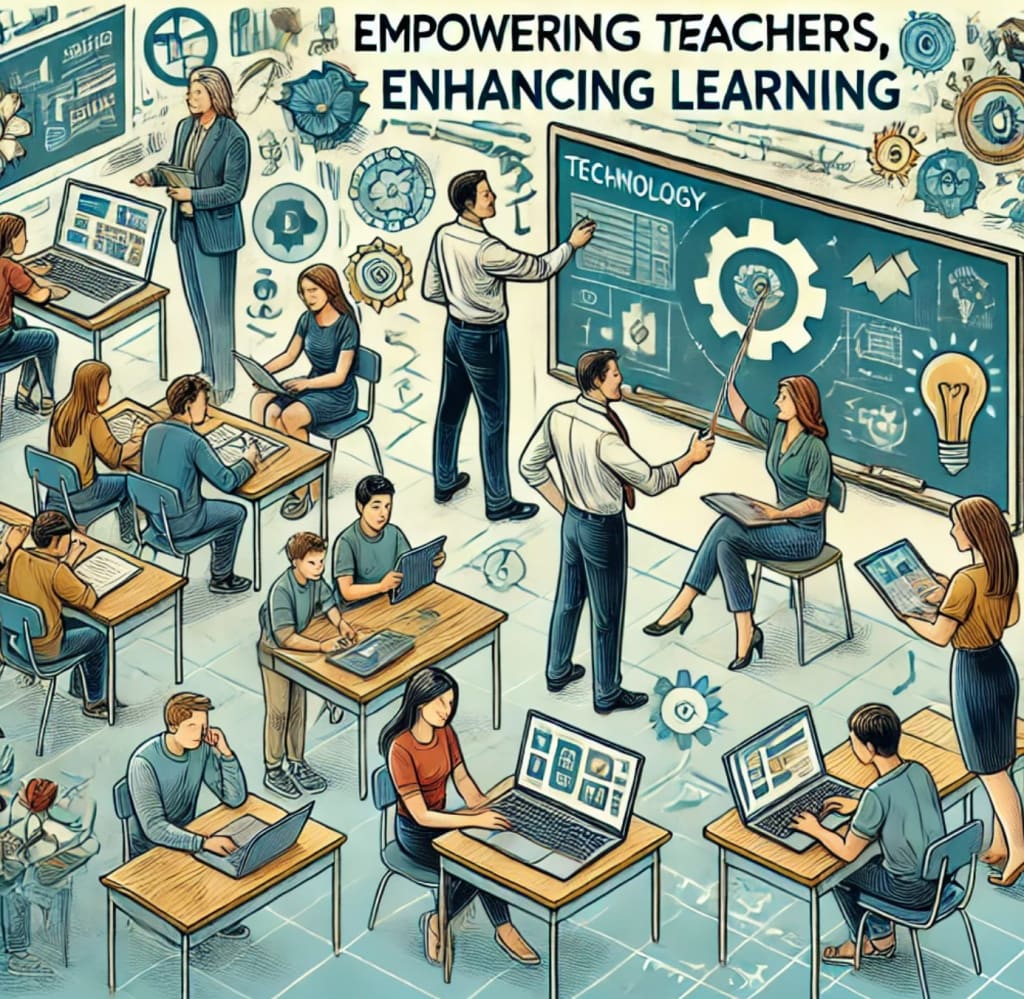
While technology holds immense potential to transform education, it’s crucial to recognize the genuine challenges that teachers encounter when trying to adopt it in the classroom. Recent research highlights several key reasons why some educators are hesitant to integrate technology into their teaching practices. These challenges range from concerns about privacy and inadequate technical support to limited funding and the digital divide. Such obstacles can make it difficult for teachers to effectively incorporate technology into their lessons.
One significant barrier is the issue of privacy. With the increasing use of digital tools and online platforms, teachers are understandably concerned about the protection of their students’ data. Ensuring that sensitive information is kept secure is paramount, but the complexity of privacy laws and the risks associated with data breaches can make teachers wary of fully embracing technology. This is particularly challenging in environments where the policies and guidelines for using digital tools are not clear or well-communicated.
In addition to privacy concerns, many teachers struggle with a lack of technical support. Integrating new technology into the classroom often requires a level of expertise that not all teachers possess. When problems arise, such as malfunctioning equipment or software glitches, the absence of immediate and reliable technical support can leave teachers feeling frustrated and helpless. This lack of support is especially problematic in schools where there is limited access to IT staff or where the staff is already stretched thin.
Another major hurdle is the issue of funding. In many educational institutions, there simply isn’t enough money available to invest in the latest technology or to provide the necessary training for teachers. This financial constraint can leave schools with outdated equipment or insufficient resources to purchase new tools. For teachers, this means working with what they have, even if it’s not up to standard, which can severely limit the effectiveness of their teaching.
The digital divide also plays a critical role in hindering the adoption of technology in education. In some schools, especially those in underprivileged areas, students and teachers alike may not have access to the devices or internet connections needed to use digital tools effectively. This inequality not only affects the quality of education that students receive but also places an additional burden on teachers who must find ways to work around these limitations. Bridging this gap is essential to ensuring that all students have equal opportunities to benefit from technology-enhanced learning.
For many teachers, the rapid pace of technological advancement can be overwhelming. The constant introduction of new tools and platforms can make it difficult for educators to keep up. Some may feel outpaced by these developments, unsure of how to integrate them into their existing curricula effectively. This sense of being left behind can lead to a reluctance to adopt new technologies, as teachers may fear that they will not be able to use them confidently or that their efforts will not meet the expectations of administrators or students.
Access to blocked sites and restricted content is another significant challenge. Many schools implement strict internet filters to protect students from harmful content, but these restrictions can also inadvertently block access to valuable educational resources. Teachers who wish to use certain online tools or materials may find themselves unable to do so, hindering their ability to deliver a comprehensive and engaging learning experience. This issue highlights the need for a balanced approach to internet safety that also considers the educational needs of students and teachers.
Lack of training is a further obstacle that many teachers face. Without proper training, even the most advanced technology can be ineffective in the classroom. Teachers need to feel confident and competent in using new tools, but inadequate professional development opportunities can leave them unprepared. This gap in training can result in a lack of enthusiasm for technology adoption, as teachers may fear making mistakes or not fully understanding how to leverage the tools at their disposal.
So, how can we address these challenges and support our teachers in embracing the full potential of educational technology? The first step is to acknowledge these barriers and work collaboratively to overcome them. Schools and educational authorities must prioritize providing clear guidelines on privacy, ensuring that teachers understand how to protect student data while using digital tools. Additionally, investing in robust technical support systems is crucial. Teachers should have access to quick and reliable help when they encounter technical issues, allowing them to focus on teaching rather than troubleshooting.
Funding must also be addressed. Governments and educational institutions need to allocate sufficient resources to ensure that all schools have access to the technology they need. This includes not only purchasing equipment but also providing ongoing training for teachers. Professional development programs should be comprehensive, covering both the basics of new technologies and more advanced techniques for integrating them into teaching.
Closing the digital divide is another critical task. Initiatives that provide devices and internet access to underserved communities can help ensure that all students and teachers can participate fully in technology-enhanced learning. Furthermore, reviewing and adjusting internet filters in schools to allow access to necessary educational resources without compromising safety is essential.
Finally, creating a culture of continuous learning and support for teachers is vital. As technology evolves, so too must the skills and confidence of educators. Schools should foster an environment where teachers feel encouraged to experiment with new tools, knowing that they have the backing of their peers and administration.
By understanding and tackling these challenges, we can create an educational environment where technology enhances, rather than hinders, the learning experience. It’s time to ensure that every teacher feels equipped and confident to bring the future of learning into their classrooms. With the right support, educators can unlock the full potential of technology, transforming education for the better.
About the Creator
Christopher Saliba
I'm Chris Saliba, an educator passionate about artificial intelligence. I share insights on all things AI., from beginner-friendly guides to in-depth explorations. Dive into my curated articles, designed to elevate your understanding of AI.
Enjoyed the story? Support the Creator.
Subscribe for free to receive all their stories in your feed.
Comments
There are no comments for this story
Be the first to respond and start the conversation.