
OTP fraud, fake websites & more, protect yourself & shop safe this festive season.
The festive season fraud
Introduction
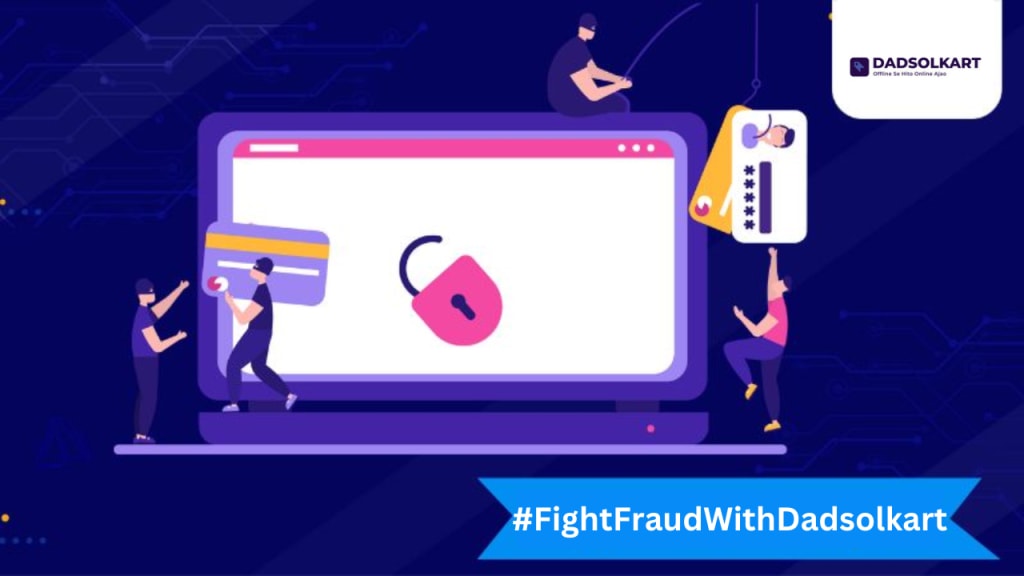
Online shopping has become a popular way for consumers to purchase products, especially during the festive season. However, with the increase in online shopping comes the risk of online fraud. Fraudsters are always on the lookout for new ways to scam people out of their hard-earned money, and during the festive season, they become even more active. In this article, we will discuss some common online frauds, and how you can protect yourself while shopping online this festive season.
OTP Fraud:
OTP (One Time Password) is a popular method used by banks to secure transactions. It is a unique password generated for each transaction, and it is sent to the registered mobile number of the user. Fraudsters are always looking for ways to get hold of your OTP, and during the festive season, they may use phishing attacks to obtain your OTP. A phishing attack is when a fraudster creates a fake website that looks similar to a legitimate website and asks you to enter your login credentials and OTP.
How to protect yourself from OTP fraud:
Always check the URL of the website before entering your login credentials and OTP. Fraudsters may create a website with a similar name to a legitimate website, but the URL may be slightly different.
Never share your OTP with anyone, even if they claim to be from your bank or an online shopping website.
If you receive an OTP without initiating a transaction, contact your bank immediately.
Fake Websites:
Fake websites are a common way for fraudsters to scam people. These websites are designed to look like legitimate shopping websites, but they are created solely to steal your personal and financial information.
How to protect yourself from fake websites:
Always check the URL of the website before entering any personal or financial information.
Look for the padlock icon in the address bar, which indicates that the website is secure.
Check for reviews of the website before making a purchase.
Use a credit card instead of a debit card for online purchases. Credit cards offer more protection against fraud, and you can dispute any unauthorized transactions.
Phishing Emails:
Phishing emails are another common way for fraudsters to steal your personal and financial information. These emails are designed to look like legitimate emails from banks, online shopping websites, or other companies. They may ask you to click on a link and enter your login credentials or personal information.
How to protect yourself from phishing emails:
Always check the sender's email address before opening any links or attachments. Fraudsters may create email addresses that look similar to legitimate email addresses.
Do not click on any links or download any attachments from unknown or suspicious senders.
Look for spelling or grammar errors in the email, as this is a common sign of a phishing email.
Use anti-virus software to protect your computer from malware that may be attached to phishing emails.
Online Payment Frauds:
Online payment frauds are a common way for fraudsters to steal your money. These frauds can occur when you make an online payment, and the fraudster intercepts the payment and diverts it to their account. They may also steal your credit card information and use it to make unauthorized purchases.
How to protect yourself from online payment frauds:
Use a secure payment gateway when making online payments. Look for the padlock icon in the address bar and the "https" protocol, which indicates that the website is secure.
Use a credit card instead of a debit card for online purchases. Credit cards offer more protection against fraud, and you can dispute any unauthorized transactions.
Never share your credit card information with anyone, even if they claim to be from your bank or an online shopping website.
Monitor your credit card and bank statements regularly for any unauthorized transactions.
About the Creator
Enjoyed the story? Support the Creator.
Subscribe for free to receive all their stories in your feed.
Comments
There are no comments for this story
Be the first to respond and start the conversation.