
Opinion Trading: The Fine Line Between Gaming and Gambling — How Young Indians Are Losing Big
Opinion trading apps such as Probo, MPL Opinio, Big Cash, and Playerzpot, among others, allow users to place bets on the outcomes of real-world events.
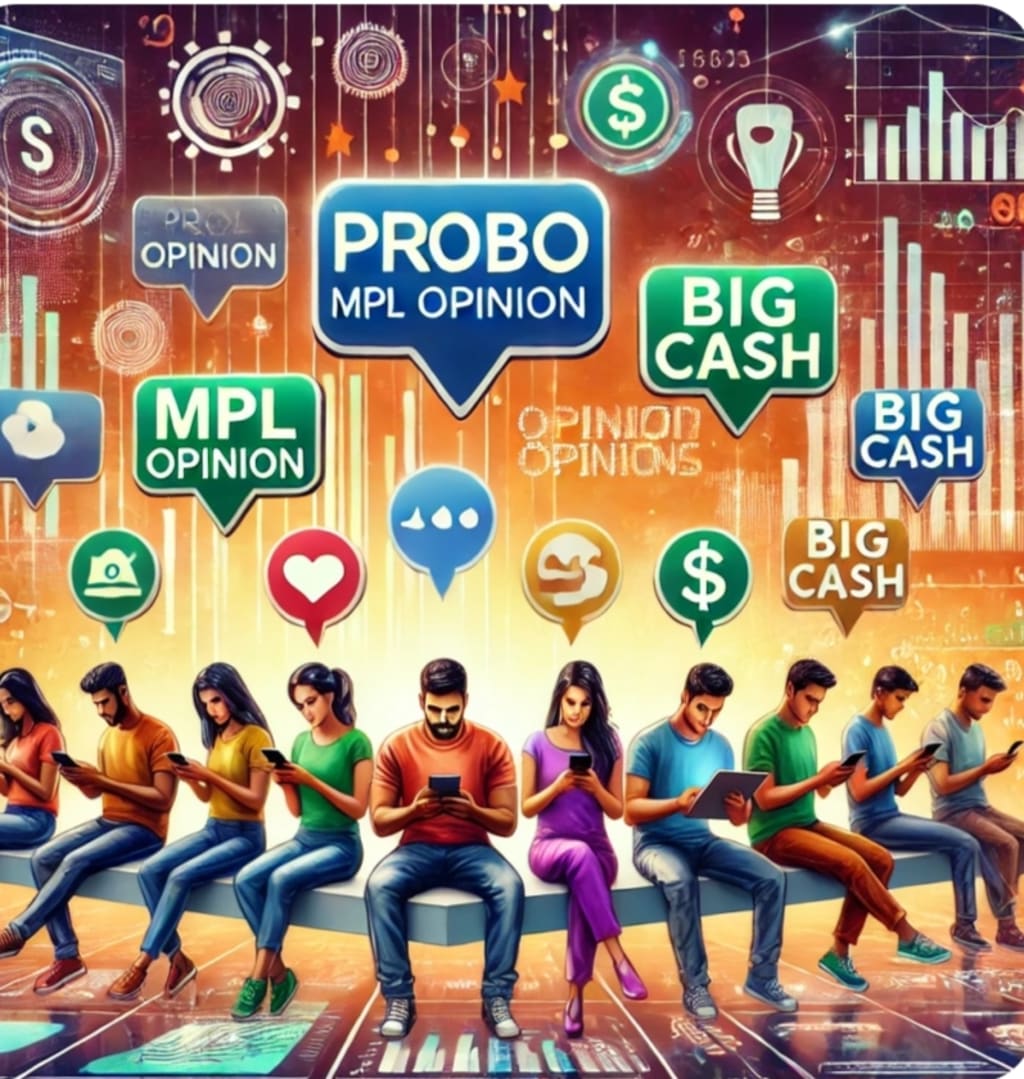
Initially marketed as a way to invest in predictions and market trends, it has increasingly resembled gambling, with many participants losing significant sums of money in the pursuit of quick profits. But what exactly is opinion trading, and how is it turning into a dangerous form of financial addiction for young people?
Understanding Opinion Trading: A New Form of Digital Speculation
At its core, opinion trading is a platform where individuals make predictions on a variety of topics, from sports results and stock market trends to political outcomes and even celebrity behavior. These predictions are usually made using virtual currency or money, and participants can "trade" these opinions, betting on which outcomes they believe are more likely to occur.
While the concept may sound innocent or even fun, the growing concern is how opinion trading platforms have evolved into high-risk games of chance. These platforms often use sophisticated marketing techniques to target young, impressionable individuals who may not fully understand the risks involved. The result? A rise in compulsive gambling-like behavior, especially among the youth.
The Allure for Young Indians: Why Opinion Trading is Taking Over
Young Indians are flocking to opinion trading platforms for several reasons. The most significant draw is the promise of easy money. The appeal of quick, high returns on predictions about events that feel accessible, like cricket matches or Bollywood releases, can be irresistible. Many see it as a game, one where their opinions, based on personal knowledge and intuition, can yield significant profits. What could be easier than betting on things they already follow closely?
Moreover, the growth of mobile internet and affordable data has made these platforms accessible to a larger segment of the population, particularly to younger, tech-savvy users. Opinion trading apps are often designed to be user-friendly, resembling video games that reward users with virtual currency or even real cash for successful predictions. This gamification of predictions taps into the addictive nature of gaming, encouraging users to play again and again in the hope of larger rewards.
The Risk of Addiction: How Opinion Trading Mirrors Gambling
While opinion trading may appear to be a harmless pastime, it has many of the hallmarks of gambling addiction. For many young Indians, it becomes an all-consuming pursuit, leading them to invest more time and money in the hope of turning small wins into big ones. The behavior mirrors traditional gambling in several ways:
1. Chasing Losses: After losing an initial bet, users are often encouraged to continue playing in an attempt to "recover" their losses. This cycle of chasing losses can lead to deeper financial and emotional issues.
2. Escalation of Investment: As users gain confidence from a few wins, they may begin to invest larger sums, increasing the stakes in the hope of larger returns. The excitement of potential profits leads to greater risk-taking behavior.
3. Addictive Patterns: Just like traditional gambling, opinion trading relies on near-constant stimulation. The rapid pace of transactions and the thrill of predicting outcomes can trigger a dopamine response in the brain, leading users to seek more of the same experience, even at the expense of their financial stability.
4. Inadequate Understanding of Risks: Many young traders fail to grasp the fundamental risks of opinion trading. The platforms often downplay or hide the fact that there’s no guarantee of profits, and, in fact, most participants end up losing money. Unlike traditional stock market trading, which involves some level of regulation and education, opinion trading can be a free-for-all, with little oversight or transparency.
The Cost: Young Indians Are Losing Big
The most alarming aspect of opinion trading is the amount of money young people are losing. The platforms may start with small bets, but over time, users often escalate their wagers. The addictive nature of these platforms leads many to spend more than they can afford in pursuit of a win. In some cases, individuals have reportedly lost hundreds of thousands of rupees, spiraling into debt as they chase an elusive win.
Moreover, some opinion trading platforms are suspected of lacking adequate safeguards to protect users from falling into addiction or financial ruin. With limited regulation and a focus on profit-driven growth, these platforms can exploit the vulnerability of their young audience, encouraging reckless behavior.
The Mental Health Impact
As the financial consequences of opinion trading mount, so do the mental health effects. The constant stress of losing money, coupled with the pressure to keep betting, can lead to anxiety, depression, and a sense of helplessness. Young people may also begin to suffer from social isolation as they prioritize online platforms over real-world relationships.
Moreover, the shame of losing money or being caught up in an addiction can lead to secrecy and guilt, which further exacerbates the mental toll. In many cases, individuals may delay seeking help because they are embarrassed or unsure how to address their situation.
How Can Young Indians Protect Themselves?
While opinion trading may seem exciting, young Indians need to be aware of the risks involved and approach it with caution. Here are some steps to help protect themselves:
1. Educate Yourself: It's crucial to understand the underlying mechanics of opinion trading platforms before participating. Recognizing that these platforms operate more like gambling than investing can help users make informed decisions.
2. Set Limits: If you choose to engage in opinion trading, set strict financial limits on how much you are willing to spend. Stick to these limits and avoid chasing losses.
3. Seek Support: If you find yourself struggling to stop, it’s important to seek help. Support groups, counseling, and talking to loved ones can help break the cycle of addiction.
4. Advocacy for Regulation: There needs to be a call for greater regulation in this space. Platforms must be held accountable for their marketing tactics and user protections, particularly when targeting young users who may not fully understand the financial risks.
Conclusion: The Thin Line Between Fun and Destruction
While opinion trading may offer a form of entertainment or even a chance to make money, it is increasingly crossing into the realm of gambling. For young Indians, the temptation to engage in quick, high-risk predictions can lead to serious financial and emotional consequences. With little regulation and a constant stream of enticing advertisements, the rise of opinion trading platforms highlights the need for greater awareness and responsibility in both personal decisions and platform design.
As the digital landscape continues to evolve, it is crucial to ensure that young people are equipped with the knowledge and tools to navigate these new forms of "games" without falling into addiction or losing their hard-earned money. Opinion trading may be marketed as a fun pastime, but it is a dangerous game for those who fail to recognize its addictive potential.
About the Creator
Enjoyed the story? Support the Creator.
Subscribe for free to receive all their stories in your feed.
Comments
There are no comments for this story
Be the first to respond and start the conversation.