
Nigeria institution
Chaos in Nigeria university Nsukka
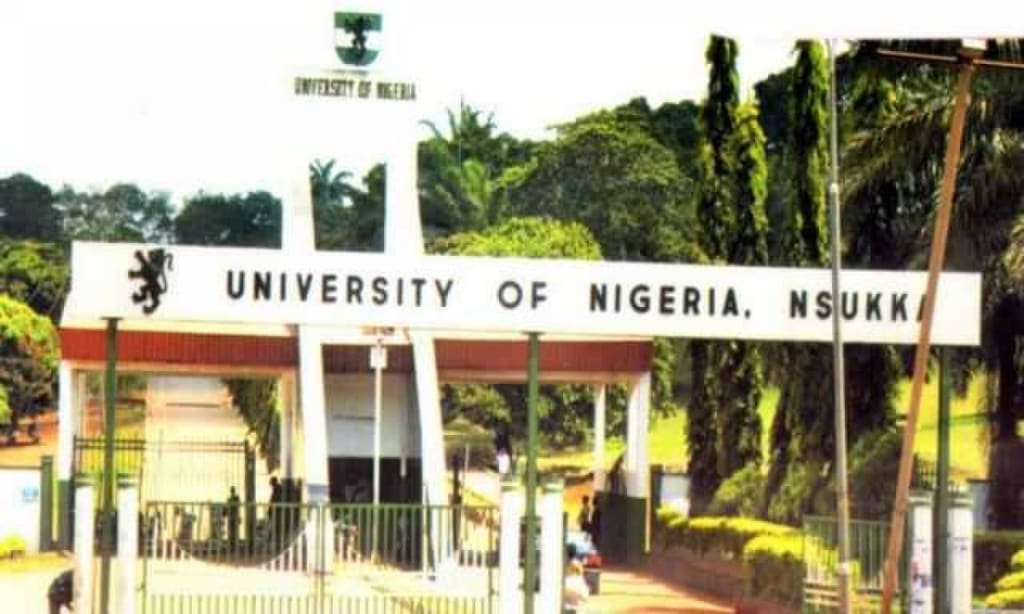
In the heart of southeastern Nigeria lies the University of Nigeria, Nsukka (UNN), an institution once known for its vibrant academic culture and tranquil surroundings. But recently, the campus has been shrouded in a cloud of uncertainty, fear, and despair.Aisha had always dreamed of attending UNN,coming from a small village in northern Nigeria, she was the first in her family to gain admission into a university. Her parents had sold off their small piece of farmland to fund her education, placing all their hopes on her shoulders. Aisha had promised herself that she would make them proud.The first semester was everything Aisha had imagined. She made new friends, enjoyed her courses, and often found solace in the lush greenery that surrounded the campus. But as the months went by, things began to change.Tensions started to rise within the student body. There were whispers of strikes and protests. The cost of living on campus had skyrocketed, with many students struggling to afford even basic necessities. The hostels, once a safe haven, had become overcrowded and dilapidated. Power outages were frequent, and water scarcity turned everyday tasks into struggles.Then, the strike began. It started as a peaceful protest over the lack of basic amenities, unpaid salaries for lecturers, and the deteriorating state of the university's infrastructure. But the situation quickly spiraled out of control. The students, frustrated and desperate, clashed with the university authorities. The campus, once filled with the laughter and chatter of students, was now a battleground.Aisha tried to stay out of the chaos, focusing on her studies, but it was impossible. Classes were disrupted, and the library she loved so much was closed indefinitely. She spent her days in her cramped hostel room, where the walls seemed to close in on her. Her dreams of a bright future felt like they were slipping away.One night, the tension reached its peak. A group of students, angry and hopeless, set fire to one of the administrative buildings. The flames lit up the night sky, casting an eerie glow over the campus. The sounds of sirens, shouts, and breaking glass filled the air.Aisha watched from a distance, tears streaming down her face. She thought of her parents, who had sacrificed so much for her to be here, and felt a crushing weight of guilt. The university, which had once been a beacon of hope, had become a place of despair.The authorities responded with force. The police were called in, and a curfew was imposed. The campus was locked down, and students were advised to stay in their hostels. But the damage had already been done. The once-thriving university community was fractured, trust between students and faculty shattered.Aisha's grades began to slip. The stress and uncertainty were too much to bear. She tried to contact her parents, but the network was down. Days turned into weeks, and the situation showed no signs of improving.In the midst of the chaos, Aisha made a decision. She packed her few belongings into a worn-out bag and left the campus in the dead of night. She didn't know where she was going, but she knew she couldn't stay at UNN any longer. The dream she had once cherished had become a nightmare.As she walked away from the university, Aisha felt a deep sadness settle in her heart. She had come to UNN with so much hope, but now she was leaving with nothing but a broken spirit. The chaos that had engulfed the campus had robbed her of her future, leaving her with nothing but unanswered questions and shattered dreams.
Addressing the chaos at the University of Nigeria, Nsukka (UNN), and similar institutions requires a multifaceted approach that targets the underlying issues affecting the university system. Here’s a potential solution:1. Government and Institutional Support adequate Funding: The Nigerian government needs to increase funding for higher education. Allocating sufficient resources will ensure that universities can maintain infrastructure, pay staff salaries, and provide necessary amenities for students.Transparent Allocation of Funds: Ensure that the funds allocated to universities are used effectively and transparently. Independent audits and regular reporting can help reduce corruption and mismanagement of resources.2. Improving InfrastructureUpgrading Facilities: Immediate action is needed to repair and upgrade university facilities. This includes renovating hostels, improving sanitation, and ensuring a steady supply of electricity and water.Digital Transformation: Invest in digital infrastructure, such as e-learning platforms, reliable internet access, and modernized libraries, to ensure students can continue learning even during disruptions.3. Dialogue and MediationStudent-Faculty Dialogue: Establish regular, open channels of communication between students, faculty, and administration. This can prevent misunderstandings and allow grievances to be addressed before they escalate.Conflict Resolution Mechanisms: Create a mediation body within the university that can handle disputes between students and the administration in a fair and transparent manner. This body should include representatives from all key stakeholders.
Conclusion: solving the chaos at UNN and other universities in Nigeria requires a concerted effort from the government, university administration, students, and the wider community. By addressing the root causes of the unrest and making systemic changes, it's possible to restore peace and stability, allowing the university to fulfill its mission of educating the next generation.
About the Creator
Enjoyed the story? Support the Creator.
Subscribe for free to receive all their stories in your feed.
Comments
There are no comments for this story
Be the first to respond and start the conversation.