
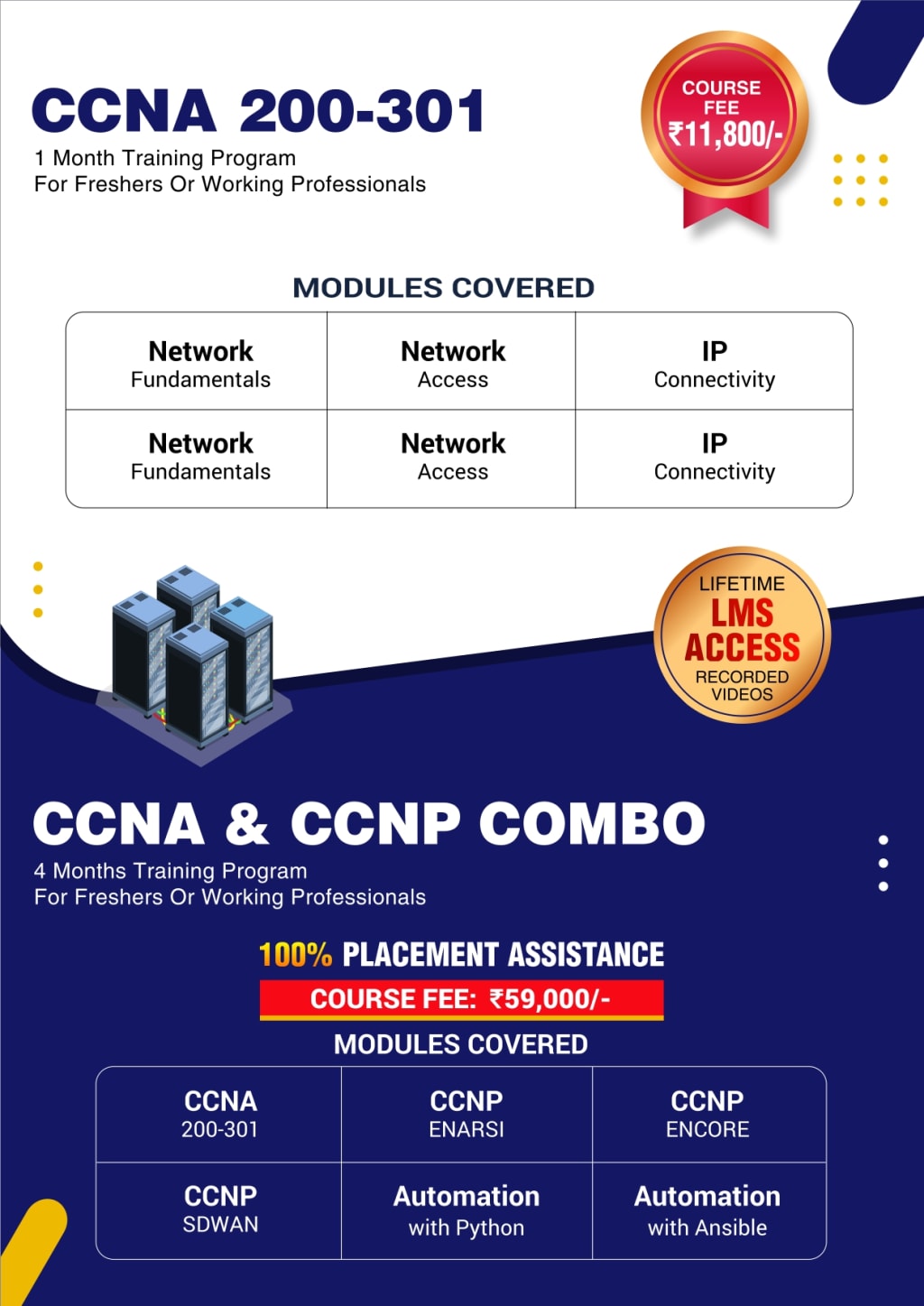
https://www.networkershome.com/
Crafting a 1200-word piece allows for a thorough exploration of CCNA certification and its benefits. Let's delve deeper:
In today’s interconnected world, where digital communication is the backbone of businesses, the need for skilled networking professionals has never been greater. Cisco Systems, a global leader in networking solutions, offers the Cisco Certified Network Associate (CCNA) certification, a cornerstone credential in the realm of networking.
**What is CCNA Certification?**
At its essence, CCNA certification validates the foundational knowledge and skills required for entry-level networking positions. It covers a wide array of networking topics, including LAN switching, IP routing, network security, and WAN technologies. As a vendor-specific certification, CCNA focuses primarily on Cisco networking technologies, making it an ideal choice for individuals seeking to specialize in Cisco networking solutions.
**The Breadth of CCNA Knowledge**
The CCNA curriculum is designed to provide a comprehensive understanding of networking concepts and technologies. From understanding the fundamentals of Ethernet switching to mastering complex routing protocols like OSPF and EIGRP, CCNA equips professionals with the skills needed to design, configure, operate, and troubleshoot modern network infrastructures.
One of the hallmarks of CCNA certification is its emphasis on hands-on experience. Through practical labs, simulations, and real-world scenarios, CCNA candidates gain invaluable experience in configuring Cisco devices, troubleshooting network issues, and implementing best practices in network management and security.
**Benefits of CCNA Certification**
The benefits of obtaining CCNA certification extend far beyond the acquisition of a credential. Here are some key advantages:
1. **Enhanced Career Opportunities:** CCNA certification opens the door to a wide range of career opportunities in the IT industry. Whether it's working as a network administrator, network engineer, or systems analyst, CCNA-certified professionals are in high demand across various sectors.
2. **Increased Earning Potential:** Studies have shown that CCNA-certified professionals typically command higher salaries compared to their non-certified counterparts. Employers value the specialized skills and expertise demonstrated by CCNA holders, leading to better compensation packages and career advancement opportunities.
3. **Deeper Understanding of Networking Concepts:** Pursuing CCNA certification allows individuals to deepen their understanding of networking fundamentals. From subnetting to VLAN configuration, CCNA covers a breadth of topics essential for building robust and scalable network infrastructures.
4. **Pathway to Higher-Level Certifications:** CCNA serves as a stepping stone to higher-level certifications within the Cisco certification track. Whether it's pursuing specialized certifications like CCNP (Cisco Certified Network Professional) or CCIE (Cisco Certified Internetwork Expert), CCNA provides a solid foundation for further specialization and career advancement.
5. **Validation of Skills and Expertise:** By obtaining CCNA certification, professionals validate their skills and expertise in networking. Employers can trust that CCNA-certified individuals possess the knowledge and capabilities required to effectively manage and maintain network infrastructures.
**Preparing for the CCNA Exam**
Preparing for the CCNA exam requires dedication, effort, and the right resources. Fortunately, there are numerous training providers and study materials available to help candidates succeed. Organizations like Networkers Home offer comprehensive CCNA training courses, including instructor-led classes, hands-on labs, and practice exams.
In addition to formal training, self-study is also an essential component of exam preparation. CCNA candidates should familiarize themselves with Cisco's official certification exam topics and objectives, review study guides and reference materials, and practice configuring Cisco devices in a simulated environment.
**The CCNA Exam Experience**
The CCNA exam is typically administered in a proctored environment and consists of multiple-choice questions, simulations, and hands-on lab exercises. Candidates are tested on their knowledge and proficiency in various networking concepts and technologies, with a focus on practical application and problem-solving skills.
During the exam, candidates must demonstrate their ability to configure Cisco devices, troubleshoot network issues, and implement solutions based on real-world scenarios. The exam is designed to assess not only theoretical knowledge but also practical skills, ensuring that CCNA-certified professionals are well-prepared to tackle the challenges of today's networking environments.
About the Creator
Enjoyed the story? Support the Creator.
Subscribe for free to receive all their stories in your feed.
Comments
There are no comments for this story
Be the first to respond and start the conversation.