
Nepal
A Land of Natural Beauty and Spiritual Significance
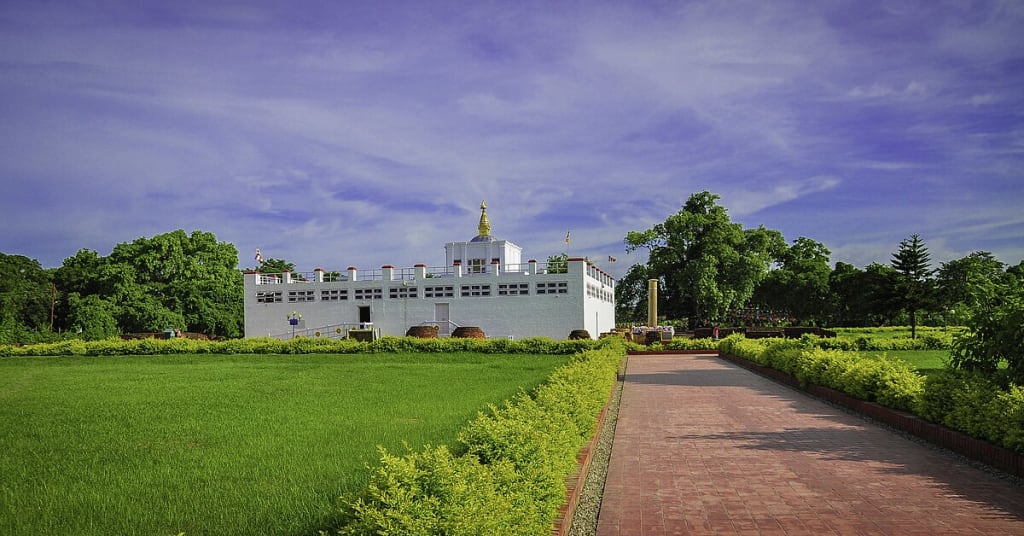
Nepal, a small Himalayan country tucked between two giants—India and China—is a land of extraordinary beauty, cultural richness, and profound spirituality. Although it may appear modest in size on the map, its significance in both natural wonders and human history is immense. From the world's tallest peak to the birthplace of one of humanity’s greatest spiritual teachers, Nepal continues to capture the imagination of travelers, historians, and peace-seekers from around the globe.
A Country of Majestic Mountains and Diverse Landscapes
Nepal is most famously known as the home of Mount Everest, the highest peak in the world, which rises to 8,848 meters (29,029 feet) above sea level. The Himalayas not only define Nepal’s northern skyline but also attract mountaineers, trekkers, and adventurers seeking both thrill and tranquility. But the country's beauty is not limited to its mountains. In fact, Nepal is a land of incredible geographic diversity. Within just a few hundred kilometers, the terrain drops from snow-covered peaks to lush green hills, fertile valleys, and flat tropical plains in the south.
This range of environments supports an impressive variety of flora and fauna, some of which are rare and endangered. National parks like Chitwan and Bardiya offer wildlife safaris where one can spot rhinos, tigers, elephants, and hundreds of bird species. Nature lovers and photographers often find Nepal a paradise for both its scenery and biodiversity.
Cultural Tapestry: A Living Heritage
Beyond its natural allure, Nepal is also a land steeped in ancient traditions and vibrant cultures. With over 120 different ethnic groups and as many languages spoken, the country is a mosaic of cultures and customs. The harmonious coexistence of multiple religions—primarily Hinduism and Buddhism—can be seen in everyday life, from temples and stupas to festivals and rituals.
The capital city, Kathmandu, is a treasure trove of history and heritage, with its centuries-old palaces, courtyards, and temples. Cities like Bhaktapur and Patan preserve the art and architecture of the Malla era, showcasing intricate woodwork, stone carvings, and vibrant festivals. Nepal's cultural heritage has earned it ten UNESCO World Heritage Sites, including the Kathmandu Valley, Lumbini, and Sagarmatha National Park.
Lumbini: Where Peace Was Born
Among Nepal’s many claims to fame, perhaps the most spiritually significant is Lumbini, the birthplace of Lord Buddha, the founder of Buddhism. According to historical records and inscriptions, Siddhartha Gautama, who later became the Buddha, was born in Lumbini in 623 B.C. This serene town, located in the Rupandehi district of southern Nepal, has since become one of the most important pilgrimage destinations in the world.
Lumbini is not just a religious site; it is a symbol of peace and enlightenment. The Maya Devi Temple, named after Buddha's mother, marks the exact spot where he was born. Pilgrims and tourists alike visit this sacred temple, where ancient ruins and archaeological remains speak to the site's deep historical significance. Nearby stands the Ashokan Pillar, erected by the Indian Emperor Ashoka in the 3rd century B.C., bearing an inscription that confirms the birth of Buddha in this very location.
Today, Lumbini is an international center for peace and learning. Several countries have built monasteries and meditation centers in the surrounding monastic zone, each reflecting its own architectural style and cultural identity. The atmosphere here is calm, respectful, and spiritual—a reflection of Buddha’s teachings.
A Destination for the Soul
Nepal offers more than just breathtaking views and historical wonders—it offers an experience that touches the soul. Whether it's trekking through the Annapurna region, witnessing prayer flags fluttering in the Himalayan breeze, or meditating in the peaceful gardens of Lumbini, every corner of Nepal offers something meaningful.
The Nepalese people, known for their warmth and hospitality, often greet visitors with a heartfelt “Namaste,” a gesture that means "I bow to the divine in you." It reflects the deep-rooted respect for life and spirituality that runs through Nepalese culture.
Conclusion
Nepal is a land where nature, culture, and spirituality blend seamlessly. Its towering peaks inspire awe, its traditions reflect resilience and harmony, and its sacred sites offer peace and introspection. As the birthplace of Buddha, Nepal holds a timeless relevance to humanity's quest for peace and understanding. Whether you're an adventurer, a history lover, or a seeker of serenity, Nepal welcomes you with open arms—and leaves you forever changed.
About the Creator
Enjoyed the story? Support the Creator.
Subscribe for free to receive all their stories in your feed.
Comments
There are no comments for this story
Be the first to respond and start the conversation.