
Navigating the Skies with Innovation: Technology and Flight Attendants
How Technology is Transforming the Role of Flight Attendants

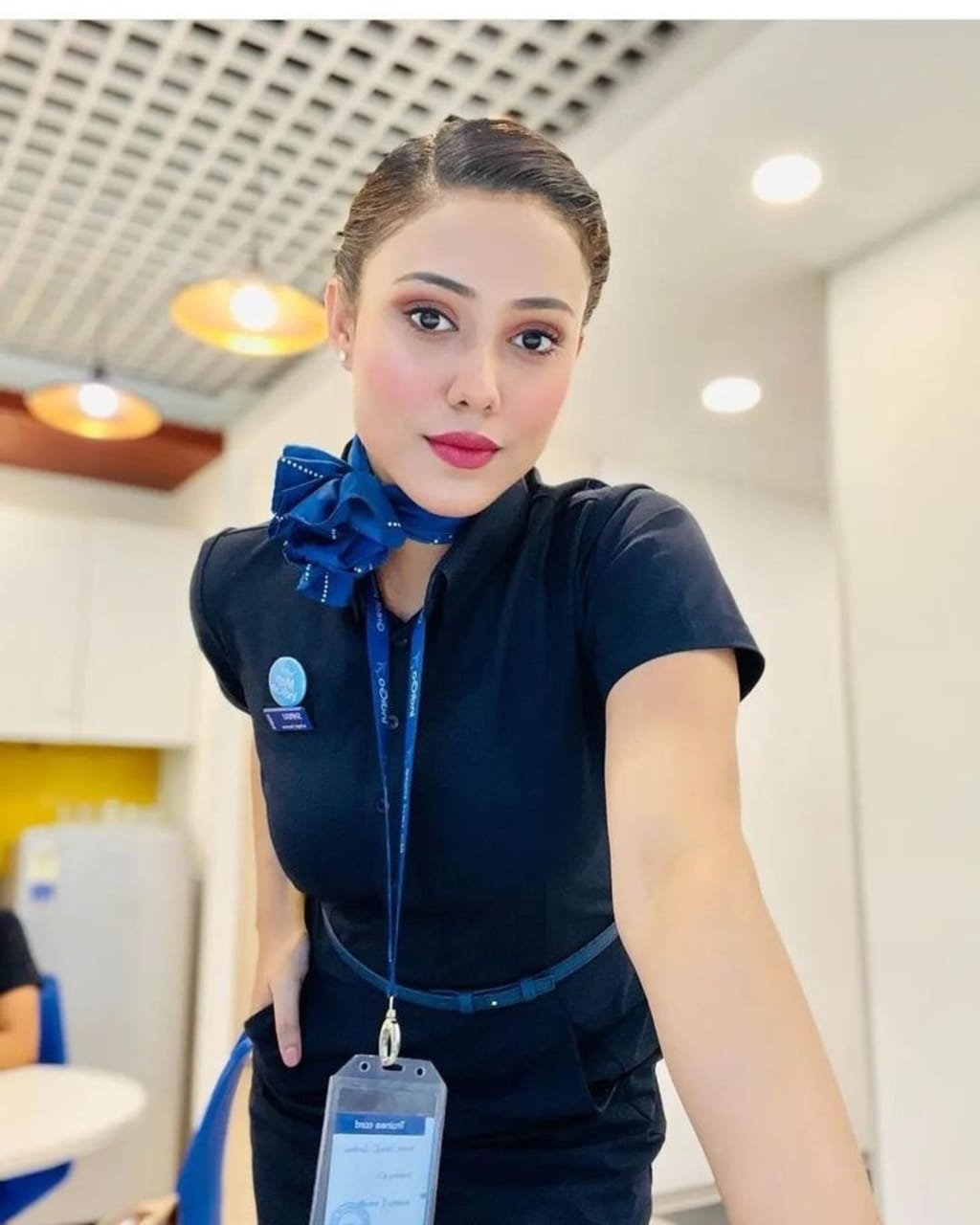
Key Takeaways:
Technological advancements are transforming the roles and responsibilities of flight attendants.
From passenger safety to in-flight service, technology in aviation is streamlining operations for flight attendants.
Flight attendants are receiving upskilling training to master new flight attendant technology.
These innovations enhance both the flight experience for passengers and the efficiency of flight attendants.
Embracing technological changes will shape the future of the flight attendant profession.
In today’s fast-evolving world, technology is reshaping industries across the board, and aviation is no exception. From digital check-ins to advanced in-flight safety systems, technology has become an essential part of modern air travel. For flight attendants, these innovations are changing the way they perform their duties, making the role more efficient and ensuring a safer, smoother flight experience for passengers.
In this blog, we’ll explore the impact of technology in aviation on flight attendants, highlighting how it supports their work, the training they undergo to master these tools, and the benefits both passengers and crew members enjoy as a result.
1. Enhanced Passenger Safety with Advanced Systems
One of the most significant areas where technology in aviation has impacted flight attendants is passenger safety. Modern aircraft are now equipped with advanced safety features that help flight attendants manage in-flight emergencies and keep passengers secure.
Automated Safety Systems. New aircraft are equipped with systems that can detect turbulence, mechanical issues, or emergency situations in real-time. These systems allow flight attendants to receive instant alerts, helping them respond more quickly to potential issues.
Real-Time Communication. Flight attendants can now communicate directly with the cockpit and ground staff using advanced communication systems. In the event of an emergency, these systems allow for fast, clear communication between crew members, ensuring a swift and coordinated response.
Passenger Monitoring Tools. In some aircraft, flight attendants can use technology to monitor passengers' well-being, including medical conditions or unusual behavior, allowing them to take proactive measures before a situation escalates.
These technological advances not only improve safety but also streamline how flight attendants manage in-flight incidents, making their job easier and more effective.
2. Streamlined In-Flight Services with Digital Tools
In-flight service is one of the most visible aspects of a flight attendant’s role, and flight attendant technology has made this process more efficient. From digital ordering systems to in-flight entertainment management, these innovations have transformed how flight attendants serve passengers.
Digital Ordering Systems. Many airlines now use digital ordering systems that allow passengers to order food, drinks, and other amenities directly from their seat. This reduces the need for flight attendants to take manual orders, freeing up time for other tasks while ensuring accuracy.
Mobile Devices for Service Management. Flight attendants are often equipped with tablets or handheld devices that help them manage service-related tasks. These devices allow them to access passenger preferences, check inventory, and monitor in-flight conditions, ensuring smooth service delivery.
In-Flight Entertainment (IFE). Managing in-flight entertainment systems is another area where technology plays a key role. Modern aircraft have advanced IFE systems that allow passengers to access movies, games, and other forms of entertainment. Flight attendants use digital tools to troubleshoot any issues passengers may encounter and ensure a seamless entertainment experience.
The incorporation of digital tools has not only improved the passenger experience but also allowed flight attendants to focus more on providing personalized, attentive service.
3. Upskilling Training for Flight Attendants
As technology continues to evolve, flight attendants must stay up-to-date with the latest tools and systems. Airlines invest in upskilling programs to ensure that crew members are equipped to use flight attendant technology effectively. This training is an essential part of their professional development.
Technology-Focused Training Programs. Flight attendants now undergo specialized training that focuses on using digital tools and systems, such as passenger service devices, safety management software, and real-time communication platforms.
Virtual Reality (VR) Simulations. Some airlines have introduced virtual reality training to help flight attendants practice emergency procedures and service management. These simulations provide a hands-on experience, allowing flight attendants to refine their skills in a controlled, realistic environment.
Continuous Learning. With new technology being introduced regularly, flight attendants must engage in continuous learning to stay proficient. Many airlines offer ongoing digital training modules to keep crew members informed about the latest developments in aviation technology.
By investing in upskilling programs, airlines ensure that flight attendants are well-prepared to handle the challenges of a high-tech aviation environment, enhancing both safety and service quality.
4. Benefits of Technology for Passengers and Crew
The introduction of technology has brought numerous benefits to both passengers and flight attendants. Here are some of the key advantages:
Faster, More Efficient Service. With the help of digital tools, flight attendants can serve passengers more quickly and accurately. This leads to improved satisfaction and a more enjoyable flight experience for everyone on board.
Better Communication. Technology has improved communication between flight attendants, pilots, and ground staff. This ensures that any issues are dealt with promptly, minimizing disruptions and delays for passengers.
Reduced Workload for Flight Attendants. By automating tasks like order-taking and safety monitoring, technology reduces the manual workload for flight attendants. This allows them to focus on providing exceptional customer service and managing any in-flight challenges that arise.
These benefits show that technology in aviation is not just about making things more convenient—it’s about enhancing safety, improving efficiency, and creating a better flight experience overall.
5. The Future of Flight Attendant Technology
As the aviation industry continues to evolve, we can expect even more technological innovations to shape the role of flight attendants. From artificial intelligence to advanced data analytics, the future of air travel is set to become even more high-tech, with flight attendants playing a key role in leveraging these tools to enhance safety and service.
AI and Automation. Artificial intelligence is already being used in areas like baggage handling and flight scheduling, but we may see more applications of AI in in-flight service. For example, AI could help predict passenger preferences or streamline service delivery based on real-time data.
Biometric Security. Biometric technologies, such as facial recognition and fingerprint scanning, are being used to improve security processes at airports. Flight attendants may soon use these technologies to verify passenger identities and ensure a safer, more efficient boarding process.
Data-Driven Insights. Airlines are increasingly using data analytics to optimize their operations. For flight attendants, this could mean access to more detailed passenger information, allowing them to provide a more personalized experience for each traveler.
The continued integration of flight attendant technology will not only enhance the role of flight attendants but also ensure that passengers enjoy a safer, more seamless travel experience.
Embracing the Future of Flight Attendant Technology
Technology has already made a significant impact on the role of flight attendants, from improving safety to enhancing in-flight services. As the aviation industry continues to innovate, flight attendants must stay ahead of the curve, mastering the latest tools and systems through continuous upskilling and training. For those interested in pursuing a career in the skies, understanding how technology in aviation is shaping the future of the role is essential.
Aspiring flight attendants who want to stay at the forefront of these innovations should explore programs that provide comprehensive training, not just in customer service and safety, but also in the latest technological advancements that are transforming the industry.
About the Creator
vyasashutosh
Blogger and flight attendant course expert, shares tips and insights on aviation training and career success. Follow for guidance and inspiration!
Enjoyed the story? Support the Creator.
Subscribe for free to receive all their stories in your feed.
Comments
There are no comments for this story
Be the first to respond and start the conversation.