
Natural Remedies to Alleviate Symptoms of Teenage Depression
Natural Remedies to Alleviate Symptoms of Teenage Depression
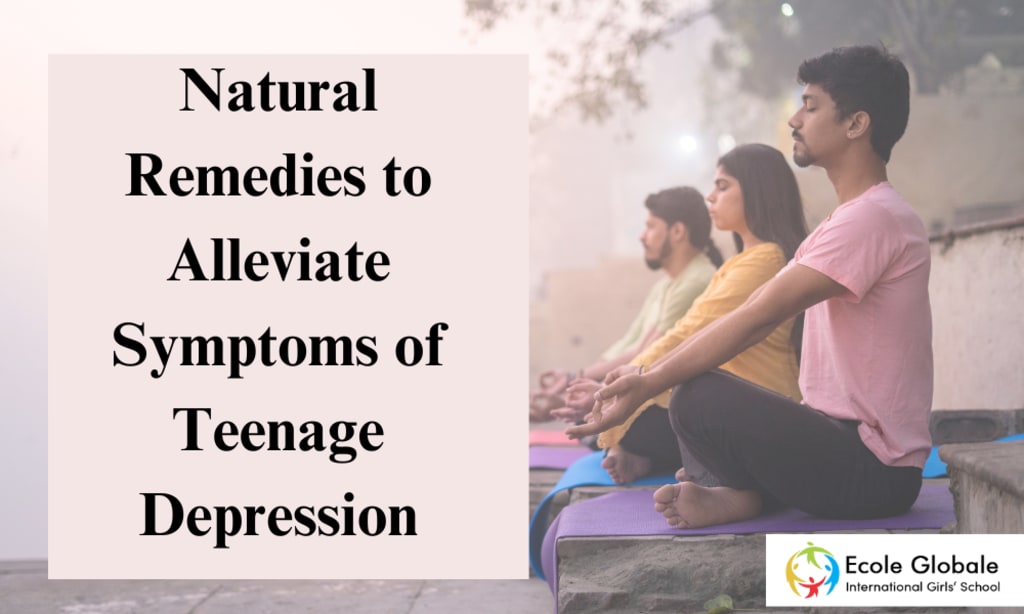
Teenage years can be challenging, and for some, they’re accompanied by feelings of sadness and hopelessness. Recognizing symptoms of teenage depression and understanding natural ways to help alleviate these symptoms can be empowering for both teens and their parents.
While medical intervention may be necessary in severe cases, natural remedies are a helpful, supportive approach for many teens, focusing on lifestyle, diet, and emotional wellness.
The Growing Need for Natural Remedies
Teenage depression is more common today than ever before, driven by academic pressures, social media, and hormonal changes.
Traditional treatments like therapy and medication are often effective, but many families are also interested in natural solutions that complement professional care.
Here are several evidence-based, natural ways to help manage symptoms of teenage depression.
1. Regular Physical Activity
Physical activity isn’t just about staying fit – it’s one of the most effective natural ways to combat depression. Exercise releases endorphins, which are “feel-good” hormones that improve mood and reduce stress.
How it Helps: Exercise boosts brain chemicals that promote happiness and reduce anxiety. It can also improve sleep, another critical factor in emotional health.
How to Implement: Encourage daily activities like walking, biking, yoga, or joining a sports team. Consistency is key; even 20–30 minutes a day can make a significant difference.
2. Mindfulness and Meditation
Mindfulness is the practice of being present and fully engaged with the moment. Meditation and mindfulness activities help teenagers learn to manage stress and focus on the present, reducing negative thought patterns often associated with symptoms of teenage depression.
How it Helps: Mindfulness teaches teens to observe their thoughts without judgment, which can reduce overthinking and anxiety.
How to Implement: Apps like Headspace or Calm offer guided meditation sessions tailored for teens. Encourage a daily routine, even if it’s just 5–10 minutes.
3. Balanced Diet for Brain Health
Nutrition plays a substantial role in emotional health. Diets high in processed foods and sugars can negatively impact mood, while a nutrient-rich diet can support brain health and stabilize energy.
How it Helps: Vitamins and minerals like omega-3 fatty acids, B vitamins, and magnesium are essential for brain function and emotional stability.
How to Implement: Include foods rich in omega-3s, like salmon, walnuts, and flaxseeds. Encourage whole foods over processed snacks and sugary drinks, which can worsen energy crashes and mood swings.
4. Adequate Sleep for Emotional Regulation
Teens are often sleep-deprived due to busy schedules, yet sleep is essential for emotional well-being. Lack of sleep can exacerbate symptoms of teenage depression, making it difficult to focus, manage emotions, and think clearly.
How it Helps: Sleep helps regulate mood and reduce anxiety. A well-rested brain is better equipped to handle stress and process emotions.
How to Implement: Establish a consistent sleep schedule, avoid screens an hour before bed, and create a relaxing bedtime routine. Aim for at least 8–10 hours of sleep per night for teens.
5. Herbal Supplements and Natural Remedies
Certain herbal supplements have shown potential in supporting mental health. Herbs like St. John’s Wort and valerian root are often used for mild to moderate symptoms of depression, though it’s essential to consult a doctor before starting any supplement.
How it Helps: Natural herbs can boost mood and reduce symptoms of stress and anxiety.
How to Implement: If considering herbal supplements, consult a healthcare provider first. Omega-3 supplements can also help, especially if your teen doesn’t consume enough in their diet.
6. Expressive Activities: Art and Journaling
Creative outlets are a therapeutic way to process and express feelings. Art, music, or writing activities can help teens release emotions constructively, aiding them in understanding and coping with symptoms of teenage depression.
How it Helps: Creative expression can reduce anxiety and build emotional resilience, giving teens a safe space to process their emotions.
How to Implement: Provide art supplies, notebooks, or musical instruments, and encourage your teen to spend time exploring these activities. Journaling, in particular, helps them externalize and make sense of complex emotions.
7. Connection with Nature
Spending time outdoors has numerous psychological benefits, including reducing stress, boosting mood, and promoting overall well-being. Nature therapy, or ecotherapy, is an effective way to help alleviate symptoms of teenage depression.
How it Helps: Being in nature lowers cortisol levels, reduces anxiety, and improves focus and emotional resilience.
How to Implement: Encourage regular outdoor activities like hiking, visiting parks, or simply spending time in a garden. Aim for at least 15–20 minutes of natural sunlight daily, which also helps regulate Vitamin D levels.
8. Social Connections and Support Systems
Building a support system can make a difference in managing depression. Having someone to talk to, whether friends, family, or support groups, reduces loneliness and provides emotional strength.
How it Helps: Positive social connections help teens feel supported and understood, which can ease depressive symptoms.
How to Implement: Encourage friendships and healthy social interactions. Family members can also be an invaluable support system; regular family activities or check-ins make teens feel more connected.
9. Routine and Goal-Setting
Routines help teens build structure and a sense of purpose, while goal-setting instills motivation.
A balanced routine that incorporates academic, physical, and creative activities can combat symptoms of teenage depression by providing consistency and small daily achievements.
How it Helps: Structure and small goals give teens a sense of control and accomplishment, which can counter feelings of helplessness.
How to Implement: Help your teen set achievable goals and create a daily routine that balances academics, relaxation, and hobbies.
10. Cognitive Behavioral Therapy (CBT) Techniques at Home
CBT is a therapy method focused on changing negative thought patterns. Even if professional therapy is not an option, parents can encourage CBT techniques at home, which is a powerful way to address symptoms of teenage depression.
How it Helps: CBT helps teens identify and reframe negative thoughts, reducing feelings of hopelessness.
How to Implement: Teach teens to recognize negative thoughts, question their validity, and replace them with more balanced perspectives. Numerous books and online resources can guide CBT practices at home.
When to Seek Professional Help
Natural remedies can be incredibly beneficial, but if symptoms of teenage depression are severe or persist, professional help may be necessary.
Signs like self-harm, suicidal thoughts, or extreme isolation require immediate attention.
Consulting a mental health professional ensures that teens get comprehensive care tailored to their needs.
Integrating Natural Remedies with Professional Support
For many, a combination of natural remedies and professional therapy provides the most effective relief. Working with a therapist to incorporate lifestyle changes and natural techniques can empower teens to handle depressive symptoms proactively.
Conclusion
Addressing symptoms of teenage depression naturally provides teens with valuable tools for managing their mental health.
Regular physical activity, mindfulness practices, a nutritious diet, adequate sleep, and social connections are all essential parts of a holistic approach to emotional well-being.
Although natural remedies can’t replace professional care when needed, they are a powerful support system that encourages resilience and self-care.
For parents and teens, exploring these methods can make a meaningful difference in managing teenage depression and supporting a positive, balanced lifestyle.
About the Creator
Enjoyed the story? Support the Creator.
Subscribe for free to receive all their stories in your feed.
Comments
There are no comments for this story
Be the first to respond and start the conversation.