
Molecular Sieves vs. Activated Alumina: Battle of the Titans in Air Purification
Molecular Sieves vs. Activated Alumina: Battle of the Titans in Air Purification
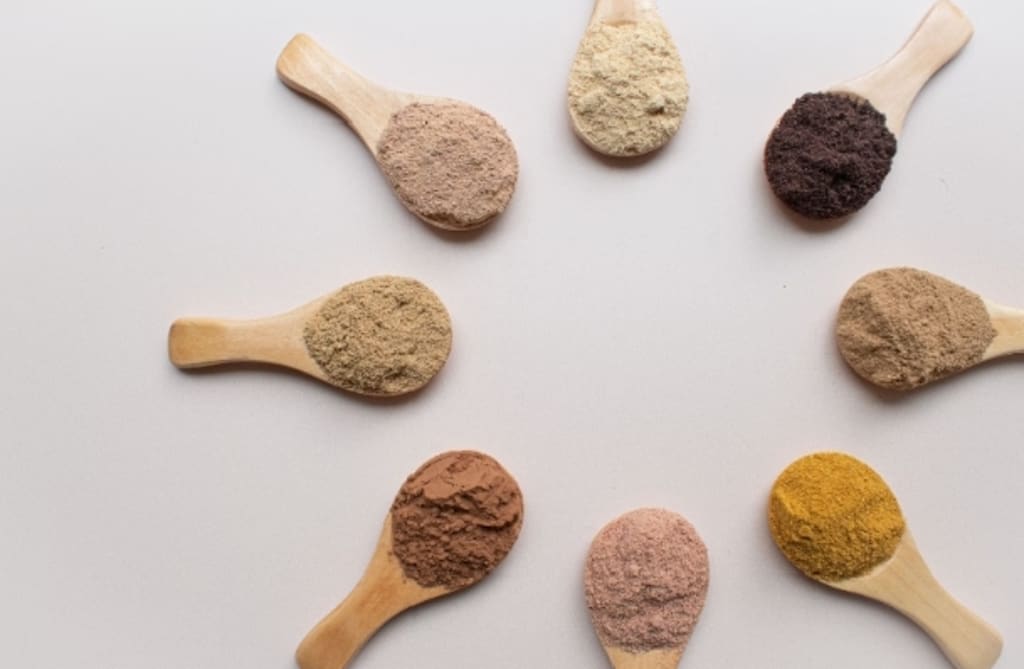
In the world of air purification, two prominent materials stand out for their exceptional abilities to cleanse the air of pollutants: molecular sieves and activated alumina. As activated zeolite powder is becoming more popular, it is important to know how it interacts with these materials, both in terms of competition and cooperation. In this article, the author will discuss the advantages and disadvantages of molecular sieves and activated alumina in the field of air purification.
Understanding Molecular Sieves
Molecular sieves are crystalline materials with very high porosity that allows them to selectively absorb gasses and liquids depending on their size. This makes them very useful in applications where there is a need to selectively remove certain types of impurities. Molecular sieves are most famous for their application in the dehydration of air streams, which is very important in industries that require dry air such as in pharmaceuticals and compressed air systems.
Activated Alumina
Activated alumina, on the other hand, is an aluminum oxide that is porous and is used to remove gasses and liquids from the air. It is especially useful for removing such elements as fluoride, arsenic, and sulfur, and is employed in water purification. In air purification, activated alumina is very effective in the removal of volatile organic compounds (VOCs) and excess moisture, thus safeguarding equipment and providing safe air in working conditions.
Activated Zeolite Powder
Activated zeolite powder is relatively new to the air purification market but has gained popularity quickly because of its effectiveness and adaptability The activated zeolite powder can be bought from zeolite powder suppliers. Due to its porous nature, zeolite can effectively capture pollutants like ammonia, heavy metals, and different VOCs that are prevalent in industries. The application of activated zeolite powder is most beneficial in cases where both desiccation and chemical adsorption are needed.
Comparison
Molecular sieves and activated alumina are both efficient in their respective uses, but their effectiveness in air purification depends on the application. Molecular sieves are more appropriate for use in processes where small molecules such as water need to be separated from the air. Activated alumina, however, is more effective in removing a wider range of contaminants, especially those that are larger and need a stronger adsorbent.
Innovations
The constant enhancement of air purification materials such as molecular sieves, activated alumina, and activated zeolite powder is essential since the environmental standards are being raised and the demand for fresh air is rising. New developments in this area are usually initiated by the suppliers and producers of zeolite powder who are experimenting with the potential of these materials in terms of performance, productivity, and sustainability.
In conclusion, the fight between molecular sieves and activated alumina in air purification is not about who is the best but about who is best suited for a particular job. Each of them has its advantages that make it essential in the context of air purification. As for the activated zeolite powder, their roles are becoming more and more specific and synergistic in nature. With the development of technology, the interaction of these materials will be more apparent and the air will become cleaner and the environment healthier.
About the Creator
Enjoyed the story? Support the Creator.
Subscribe for free to receive all their stories in your feed.
Comments
There are no comments for this story
Be the first to respond and start the conversation.