
Modern and Sustainable Techniques in Sugarcane Farming
Modern and Sustainable Techniques in Sugarcane Farming
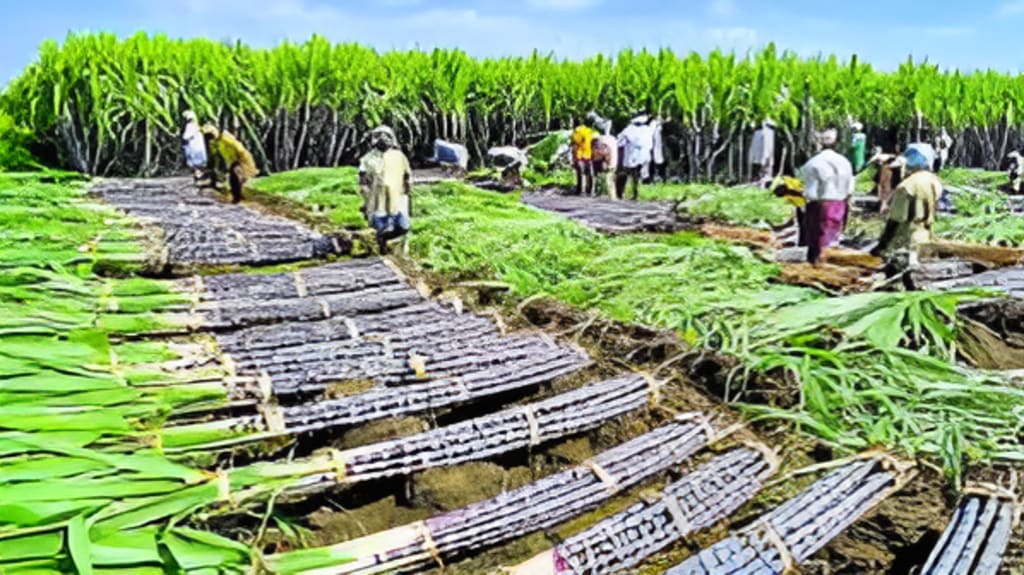
Sugarcane is one of the most important commercial crops globally, serving as a key source for sugar, ethanol, jaggery, and even bio plastics. Cultivated primarily in tropical and subtropical regions, sugarcane is labor intensive and water-dependent. Traditionally, sugarcane farming has relied heavily on conventional methods that often exhaust natural resources and increase costs. However, as environmental concerns and production costs rise, there is a growing need for modern and sustainable techniques that enhance productivity, conserve resources, and boost farmer incomes.
This article complete guide explores cutting edge strategies and eco-friendly practices that are transforming sugarcane farming into a more profitable and sustainable endeavor.
1. Importance of Sustainable Sugarcane Farming
Sustainable sugarcane cultivation addresses key challenges such as soil degradation, water scarcity, climate variability, and input inefficiency. Traditional sugarcane farming uses large quantities of water and agrochemicals, contributing to environmental stress. A shift toward sustainability not only conserves resources but also enhances soil fertility, crop resilience, and long-term profitability.
2. Selecting High-Yield and Climate-Resilient Varieties
Modern sugarcane farming begins with the selection of high-yielding, early-maturing, and disease-resistant varieties. Improved cultivars provide better results in terms of sucrose content, drought tolerance, and pest resistance.
Recommended Varieties:
• Co 0238 – High sugar content and early maturity
• Co 86032 – Widely adopted for its drought tolerance
• BO 130 – Suitable for waterlogged areas
• Co J 64 – Resistant to red rot and wilt
Using region-specific varieties in collaboration with local agricultural research stations helps optimize yields under local climatic and soil conditions.
3. Soil Health Management through Organic Practices
Soil fertility is the backbone of sustainable sugarcane production. Instead of relying solely on chemical fertilizers, modern farmers integrate organic soil amendments to maintain long-term productivity.
Best Practices for Soil Management:
• Soil Testing: Conduct periodic tests to monitor pH, nutrient levels, and organic carbon.
• Green Manuring: Grow and incorporate green manure crops like sun hemp to improve nitrogen content.
• Farmyard Manure and Compost: Enrich the soil with organic matter and beneficial microbes.
• Biofertilizers: Apply nitrogen-fixing bacteria (Azospirillum, Azotobacter) and phosphorus-solubilizing microbes.
These practices enhance nutrient availability, water retention, and microbial activity, resulting in healthier crops and lower input costs.
4. Water Conservation through Efficient Irrigation
Sugarcane requires a significant amount of water, but smart irrigation systems can reduce usage by up to 50% without compromising yield.
Water-Saving Techniques:
• Drip Irrigation: Delivers water directly to plant roots, minimizing evaporation and runoff.
• Alternate Furrow Irrigation: Irrigating alternate rows reduces water consumption by up to 30%.
• Scheduling Based on Crop Needs: Use soil moisture sensors and weather data to irrigate only when necessary.
• Mulching: Organic mulches like straw or cane trash conserve soil moisture and regulate temperature.
Efficient water use is essential in areas facing water scarcity and high irrigation costs.
5. Integrated Nutrient Management (INM)
An ideal nutrient plan combines chemical, organic, and biological sources to fulfill the crop’s nutritional demands without depleting soil health.
Components of INM:
• Balanced Fertilization: Apply macro (NPK) and micro nutrients (Zn, Fe, Mn) based on soil test results.
• Organic Inputs: Include compost, vermicompost, and green manure to improve soil structure.
• Crop Residue Recycling: Retain cane trash in the field to enrich the soil and reduce weed growth.
• Biofertilizers: Promote the use of microbial cultures for natural nutrient cycling.
INM not only certifies steady plant growth but also improves crop quality and environmental sustainability.
6. Integrated Pest and Disease Management (IPDM)
Pests and diseases like borers, white grubs, and red rot can cause severe damage. Relying solely on chemical pesticides leads to resistance and ecological imbalance. IPDM promotes a holistic approach using biological, mechanical, and chemical tools.
Sustainable Pest Control Measures:
• Crop Rotation: Breaks pest cycles by avoiding continuous sugarcane cropping.
• Pheromone Traps and Light Traps: Monitor and manage insect populations.
• Biocontrol Agents: Use natural predators like Trichogramma and Beauveria bassiana.
• Resistant Varieties: Choose cultivars with built-in disease resistance.
• Judicious Use of Pesticides: Apply chemicals only when economic thresholds are crossed.
IPDM reduces input costs, environmental damage, and long-term pest resistance.
7. Precision Farming and Smart Technologies
Technology is revolutionizing agriculture, including sugarcane cultivation. Precision farming tools optimize input use, reduce waste, and enhance decision-making.
Useful Technologies in Sugarcane Farming:
• GIS and GPS Mapping: For precise field planning and nutrient application.
• Drones: For aerial monitoring of crop health and targeted spraying.
• Mobile Apps: Provide real-time data on weather, pests, and market prices.
• Automated Irrigation Systems: Control water flow based on sensor feedback.
These technologies improve efficiency, reduce human error, and support climate-smart farming.
8. Mechanization for Labor Efficiency
Labor shortages and rising wages demand the use of mechanized solutions in sugarcane farming. From planting to harvesting, mechanization reduces dependency on manual labor and increases operational efficiency.
Essential Machines:
• Sugarcane Planters: Ensure uniform spacing and reduce labor.
• Trenchers: Help prepare deep furrows for better root development.
• Harvesters: Save time and labor during peak seasons.
• Trash Shredders: Process cane residues into organic mulch.
Mechanization, when combined with proper training, can drastically lower production costs and improve returns.
9. Intercropping for Diversification and Profitability
Intercropping sugarcane with short-duration crops such as legumes, vegetables, or pulses improves land use efficiency and provides an additional source of income.
Recommended Intercrops:
• Soybean
• Green gram (moong)
• Onion
• Garlic
These intercrops enrich the soil, suppress weeds, and reduce pest incidence, making the entire farming system more resilient and profitable.
10. Waste Management and Value Addition
Sustainable sugarcane farming also focuses on minimizing waste and generating value-added products from byproducts.
Byproduct Utilization:
• Bagasse: Used for paper production or as biofuel.
• Molasses: A source for ethanol production or cattle feed.
• Press Mud: Rich in nutrients and ideal for composting.
By utilizing these byproducts efficiently, farmers can diversify income and reduce environmental impact.
11. Certification and Market Linkages
Farmers adopting sustainable practices can benefit from eco-certifications such as Bonsucro or Fairtrade, which help access premium markets. Organizing into farmer-producer organizations (FPOs) or cooperatives improves bargaining power and access to financial resources.
Benefits of Certification:
• Premium prices
• Access to international markets
• Consumer trust and brand reputation
• Financial and technical support
Strong market linkages ensure better price realization and long-term stability for growers.
12. Climate Resilience and Risk Management
Climate variability, including unseasonal rains and droughts, poses serious risks. Sustainable sugarcane farming integrates climate adaptation strategies to minimize these impacts.
Risk Mitigation Measures:
• Crop Insurance Schemes: Protect against yield loss from climate events.
• Climate-Resilient Varieties: Withstand stress conditions.
• Agroforestry Models: Combine trees and crops to improve microclimates and carbon sequestration.
By proactively addressing climate challenges, farmers safeguard their livelihoods and contribute to environmental conservation.
Conclusion
Modern and sustainable sugarcane farming is not just a trend—it is a necessity. With growing environmental concerns, fluctuating input costs, and changing market dynamics, farmers must adopt practices that ensure long-term viability, profitability, and resource conservation.
By integrating soil health management, efficient irrigation, smart technologies, organic inputs, climate resilience, and value-added processing, sugarcane growers can significantly improve productivity and income while minimizing ecological damage.
As consumer demand for responsibly sourced sugar rises, sustainable farming provides not only a moral advantage but also a market edge.
About the Creator
Enjoyed the story? Support the Creator.
Subscribe for free to receive all their stories in your feed.
Comments
There are no comments for this story
Be the first to respond and start the conversation.