
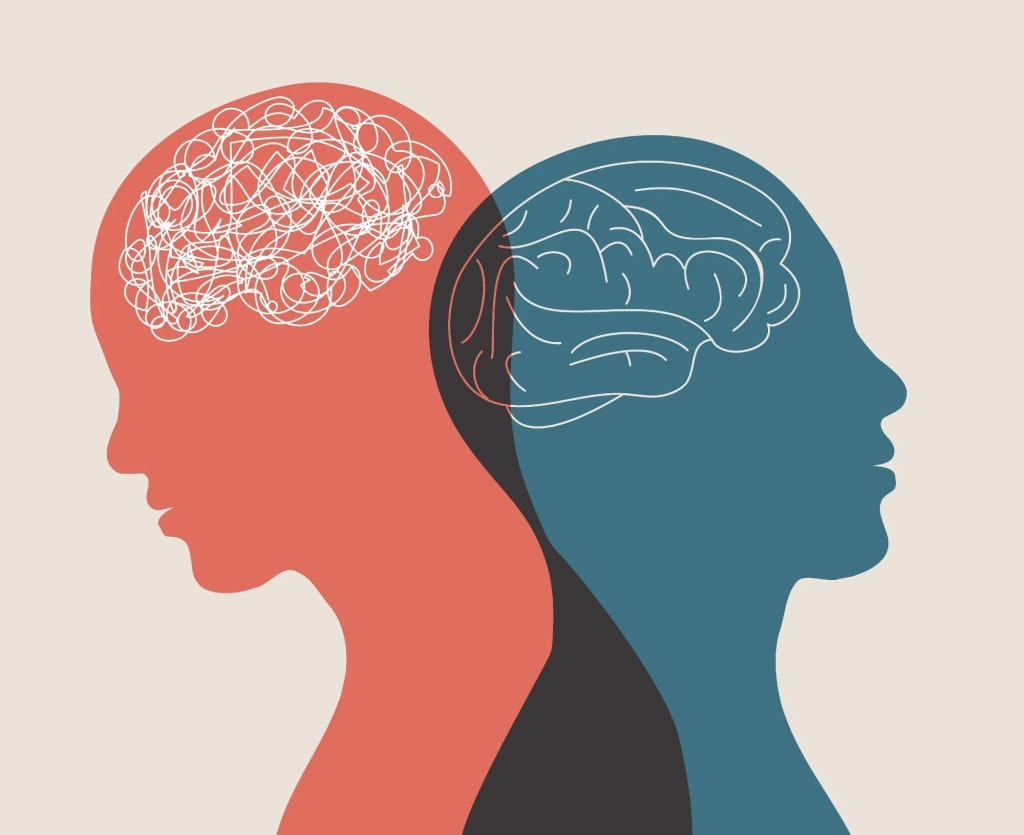
Mental health is a crucial aspect of our overall well-being and refers to the state of our emotional, psychological, and social well-being. It affects how we think, feel, and act, and plays a significant role in determining how we handle stress, relate to others, and make choices in life. Just as physical health is vital for leading a fulfilling life, mental health is equally essential for our happiness, productivity, and quality of life.
Positive mental health enables individuals to cope with the challenges and stressors that life presents, maintain satisfying relationships, and contribute to their communities. It involves having a sense of purpose, self-esteem, and resilience to bounce back from setbacks. Good mental health is not merely the absence of mental illness but also the presence of positive qualities and a sense of emotional well-being.
On the other hand, mental health problems can range from mild to severe and may affect anyone regardless of age, gender, or background. Common mental health disorders include depression, anxiety, bipolar disorder, schizophrenia, and post-traumatic stress disorder (PTSD), among others. These conditions can significantly impair a person's ability to function and enjoy life.
There are several factors that can influence mental health, including biological, psychological, and social factors. Biological factors may include genetics, brain chemistry, and hormonal imbalances. Psychological factors involve personality traits, coping skills, and cognitive patterns. Social factors encompass the influence of family, culture, and social support systems.
Recognizing the importance of mental health, there has been an increasing focus on promoting mental well-being and reducing stigma around mental health issues. Here are some essential aspects to consider in relation to mental health:
1. Seeking Help: It is crucial to seek help if you or someone you know is experiencing mental health challenges. There is no shame in reaching out for support, whether it's from friends and family or professional mental health providers. Just like physical illnesses, mental health conditions can be treated and managed effectively.
2. Mental Health and Physical Health Connection: Mental and physical health are interconnected. Taking care of your physical health through regular exercise, a balanced diet, and adequate sleep can positively impact your mental well-being. Likewise, maintaining good mental health can contribute to better physical health outcomes.
3. Dealing with Stress: Stress is a normal part of life, but excessive or chronic stress can take a toll on mental health. Finding healthy ways to manage stress, such as mindfulness techniques, relaxation exercises, or engaging in hobbies, is essential for maintaining mental well-being.
4. Building Resilience: Resilience is the ability to adapt and bounce back from adversity. Developing coping skills, problem-solving abilities, and a support network can enhance resilience and help navigate through life's challenges.
5. Reducing Stigma: Stigma surrounding mental health can be a significant barrier to seeking help. It is essential to challenge stereotypes and educate society about mental health to create a more supportive and understanding environment for those affected by mental health conditions.
6. Promoting Awareness: Mental health awareness campaigns and initiatives play a vital role in educating the public about mental health issues and available resources. These efforts can encourage early intervention and support for those struggling with their mental health.
7. Prevention and Early Intervention: Early detection and intervention are essential for managing mental health conditions effectively. Identifying warning signs and seeking help promptly can prevent the exacerbation of symptoms and improve long-term outcomes.
8. Supportive Environments: Creating supportive environments in workplaces, schools, and communities is essential for promoting positive mental health. Encouraging open discussions about mental health and providing resources for support can make a significant difference.
9. Mind-Body Practices: Practices such as meditation, yoga, and mindfulness can contribute to mental well-being by reducing stress and promoting emotional awareness.
10. Empathy and Compassion: Being empathetic and compassionate towards others can create a more understanding and caring society, making it easier for individuals to seek help without fear of judgment.
In conclusion, mental health is a vital aspect of overall well-being that influences how we think, feel, and act. Positive mental health enables us to cope with life's challenges and maintain fulfilling relationships. Seeking help, reducing stigma, and promoting mental health awareness are essential steps towards creating a supportive and empathetic society where everyone can thrive. Remember that if you or someone you know is struggling with mental health issues, reaching out for support is a crucial step towards healing and recovery. There is hope, and with the right help and resources, it is possible to lead a fulfilling life even in the face of mental health challenges.
About the Creator
Enjoyed the story? Support the Creator.
Subscribe for free to receive all their stories in your feed.
Comments
There are no comments for this story
Be the first to respond and start the conversation.