
Mastering High-Risk Obstetrics: A Vital Skill for Modern Practitioners
High-Risk Obstetrics
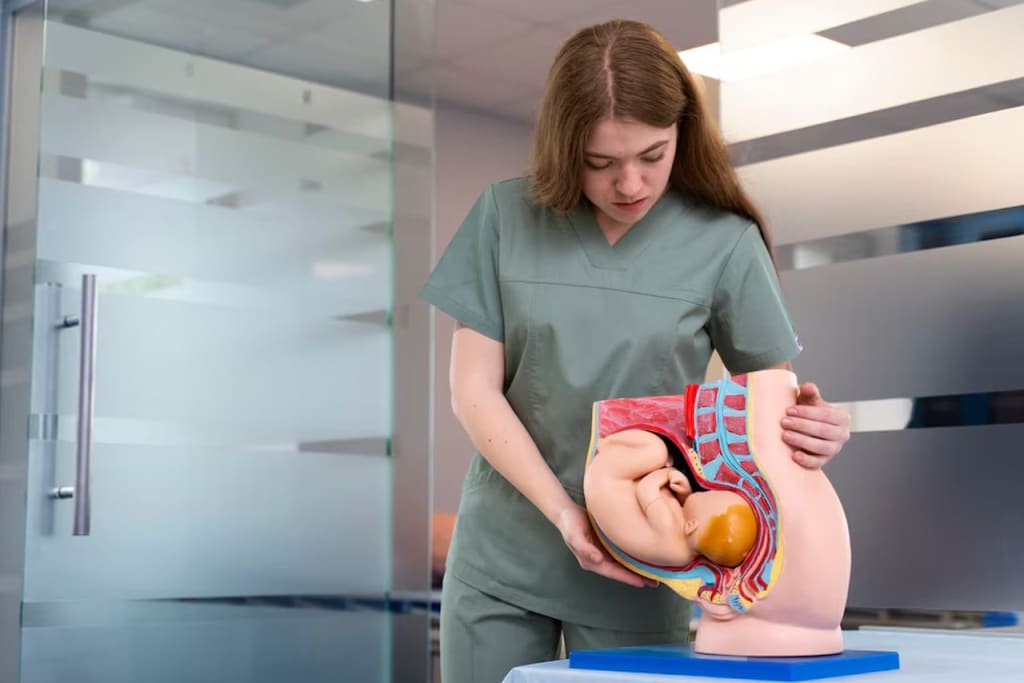
Pregnancy is often celebrated as a time of joy and anticipation, but for some, it comes with significant medical challenges. High-risk obstetrics is a specialized field dedicated to managing pregnancies where the mother, baby, or both face heightened risks. These risks may stem from factors like advanced maternal age, pre-existing health conditions, or complications arising during pregnancy.
As the landscape of maternal healthcare evolves, mastering high-risk obstetrics has become an indispensable skill for modern practitioners.
The Growing Complexity of Obstetrics Care
The modern era has ushered in remarkable advancements in medical science, particularly in fertility treatments. However, these innovations, coupled with societal shifts like women choosing to have children later in life, have also increased the complexity of obstetrics care. Chronic conditions such as diabetes, hypertension, and obesity—often linked to lifestyle changes—add another layer of risk, making high-risk pregnancies more prevalent than ever.
To navigate these challenges, healthcare providers require specialized training in high-risk obstetrics. This training equips them with the knowledge to understand the pathophysiology behind complications like gestational diabetes, preeclampsia, and preterm labor. It also emphasizes the ability to make swift, evidence-based decisions, particularly in emergencies such as hemorrhages or fetal distress. Ultimately, these skills are critical for minimizing risks and ensuring better outcomes for both mother and child.
Prioritizing Patient Safety and Improving Outcomes
At the heart of high-risk obstetrics is a singular goal: safeguarding the health and well-being of the mother and baby. Pregnancies classified as high-risk demand heightened vigilance, personalized care plans, and a proactive approach to monitoring potential complications.
For instance, early identification of warning signs such as abnormal fetal growth or signs of preeclampsia can significantly reduce the likelihood of adverse outcomes. With proper intervention, the risks of preterm birth, fetal abnormalities, and even maternal mortality can be significantly mitigated.
Specialized training plays a crucial role here. A well-trained obstetrician is not only better equipped to manage medical emergencies but also to provide reassurance and guidance to expecting mothers, who often face heightened anxiety in high-risk pregnancies. This combination of clinical expertise and compassionate care can make all the difference.
The Power of Collaborative Care
High-risk obstetrics is rarely a solo endeavor. It often necessitates the collaboration of a multidisciplinary team, including maternal-fetal medicine specialists, neonatologists, anesthesiologists, and skilled nursing staff. Effective communication and teamwork are paramount in ensuring seamless care for the patient.
Training in high-risk obstetrics goes beyond honing technical skills; it also emphasizes the importance of fostering collaboration. Practitioners learn to coordinate with various specialists, ensuring that every aspect of a patient’s care is aligned and optimized for the best possible outcome. This collaborative approach not only improves clinical results but also strengthens trust between healthcare teams and their patients.
Hands-On Training: Bridging Knowledge and Practice
Theoretical knowledge alone is not enough when it comes to managing high-risk pregnancies. Hands-on training is essential for bridging the gap between academic learning and real-world application. Programs like those offered by StudyHRO provide invaluable opportunities for OB-GYN specialists to refine their skills in a controlled, practical setting.
StudyHRO’s comprehensive courses are designed to cover the intricacies of high-risk obstetrics, from diagnosing complications to implementing advanced interventions. The program’s emphasis on flexibility allows practitioners to upskill while balancing their demanding schedules. With state-of-the-art simulations and real-life case studies, participants gain confidence and expertise in handling even the most challenging pregnancy scenarios.
Why High-Risk Obstetrics Training Matters
The stakes in high-risk pregnancies are high, and the margin for error is often slim. Investing in specialized training not only enhances a practitioner’s skill set but also contributes to a larger goal: improving maternal and neonatal health outcomes on a global scale.
Whether you’re a seasoned OB-GYN or a medical professional looking to expand your expertise, mastering high-risk obstetrics is a career-defining step. With the right training and a commitment to excellence, you can make a profound difference in the lives of your patients.
Are you ready to elevate your expertise in high-risk obstetrics? Explore the cutting-edge courses at StudyHRO and gain the skills you need to excel.
For more information, visit our website or contact us today.
About the Creator
study medic777
StudyMEDIC - Delivering Medical Education Beyond Boundaries
Enjoyed the story? Support the Creator.
Subscribe for free to receive all their stories in your feed.
Comments