
Master Cardiology with Our Detailed Course Offerings and Training Programs
Gain Specialized Knowledge and Skills to Become an Expert in Cardiology and Heart Health

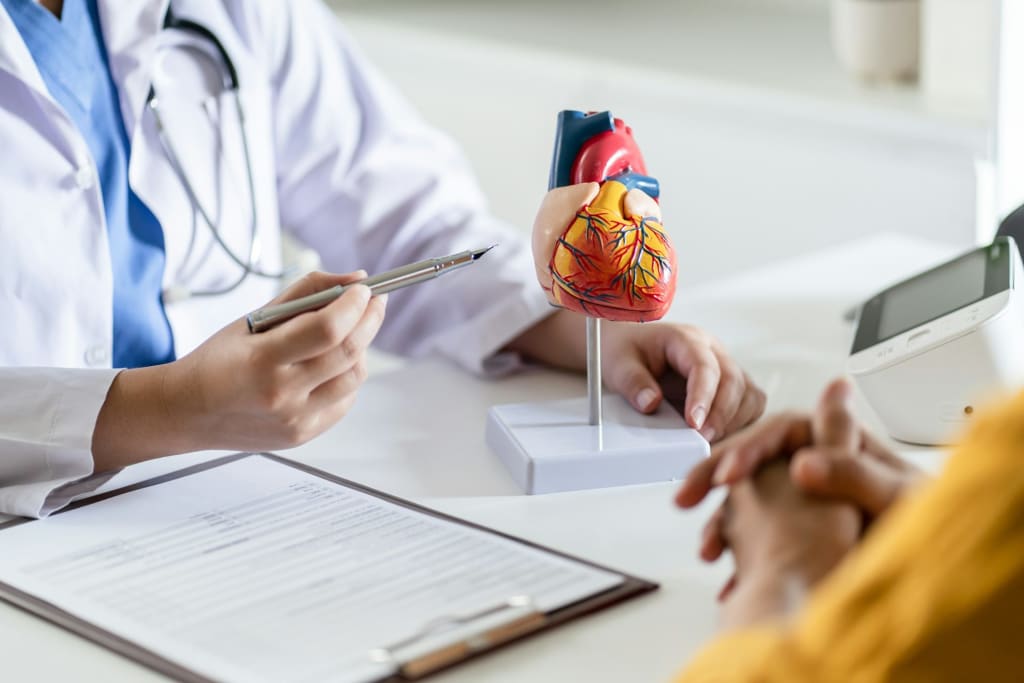
Cardiology is a highly specialized and crucial branch of medicine that focuses on the diagnosis, treatment, and prevention of heart diseases. As heart-related conditions remain a leading cause of death globally, the need for skilled cardiologists has never been higher. Whether you are an aspiring cardiologist or a healthcare professional looking to deepen your expertise, pursuing a cardiology course can provide you with the essential knowledge and skills needed to excel in this vital field.
What You Will Learn in Cardiology Courses
Cardiology courses cover a broad spectrum of topics related to the heart, blood vessels, and circulatory system. These courses provide students with both theoretical knowledge and hands-on experience, enabling them to become experts in diagnosing and treating heart diseases. Key subjects covered in these programs include:
- Cardiac Anatomy and Physiology: Understanding the structure and function of the heart and its components is fundamental to diagnosing and treating heart-related conditions.
- Heart Diseases: Learn about the various conditions such as coronary artery disease, heart failure, arrhythmias, and hypertension.
- Diagnostic Tools and Techniques: Gain practical knowledge of diagnostic tools like electrocardiograms (ECGs), echocardiograms, and stress tests to evaluate heart function.
- Cardiac Treatment and Interventions: Learn about medical therapies, surgical procedures, and interventions like stent placements, pacemakers, and lifestyle adjustments for better heart health.
- Sub-Specialties in Cardiology: Explore advanced fields such as interventional cardiology, pediatric cardiology, and electrophysiology.
Course Duration and Fees
The duration of a cardiologist course can vary depending on the depth of the program. Entry-level courses may take a few months, while advanced and specialized programs can span up to a few years. Cardiology course duration typically varies from one to three years depending on whether it’s a diploma, degree, or specialized program.
As for cardiology course fees, these can range significantly based on the type of institution and the course level. Fees for basic introductory courses are typically more affordable, while advanced or specialized training programs may come with a higher cost. It is always essential to research the course provider for detailed information on fees, payment structures, and any additional costs that may be incurred during the course.
Eligibility Criteria
To enroll in a cardiology course, most programs require applicants to have a medical background, such as a medical degree or a related qualification. For advanced cardiology programs or sub-specialty training, you might need previous experience in general medicine or a relevant field. Cardiology course eligibility may also vary depending on the specific program and institution offering the course.
Online Cardiology Courses
For those seeking flexibility, cardiology online courses are an excellent option. These courses allow you to learn at your own pace while maintaining your current professional commitments. Online programs provide access to high-quality lectures, webinars, and case studies, enabling students to engage with the material and gain essential practical knowledge remotely.
Online cardiology training is a great option for healthcare professionals who are looking to enhance their skills without taking a leave of absence. With the increasing reliance on digital learning tools, many students are opting for online cardiology courses to accommodate their busy schedules.
Career Opportunities After Completing a Cardiology Course
Completing a cardiologist course opens up various career opportunities. As a trained cardiologist, you can pursue roles such as:
- Cardiologist: Specialize in diagnosing and treating heart-related conditions.
- Cardiac Surgeon: Focus on surgical interventions for heart diseases.
- Electrophysiologist: Specialize in diagnosing and treating arrhythmias.
- Pediatric Cardiologist: Work specifically with children suffering from heart conditions.
- Cardiovascular Researcher: Conduct research to advance knowledge in cardiovascular health.
Why Choose OC Academy?
At OC Academy, we offer specialized cardiology courses designed to provide comprehensive knowledge and hands-on experience. Our courses cater to both beginners and experienced professionals looking to specialize in cardiology. We ensure that our cardiology training programs are up-to-date with the latest advancements in the field, preparing you for a successful career in heart health.
With flexible online options, expert instructors, and detailed course content, OC Academy is committed to equipping you with the skills and knowledge needed to excel in cardiology. Explore our cardiology course details and get started on your journey to becoming a leading expert in cardiovascular health.
About the Creator
Enjoyed the story? Support the Creator.
Subscribe for free to receive all their stories in your feed.
Comments
There are no comments for this story
Be the first to respond and start the conversation.