
Mapping the Mind
The Power of Brain Imaging Techniques in Cognitive Neuroscience
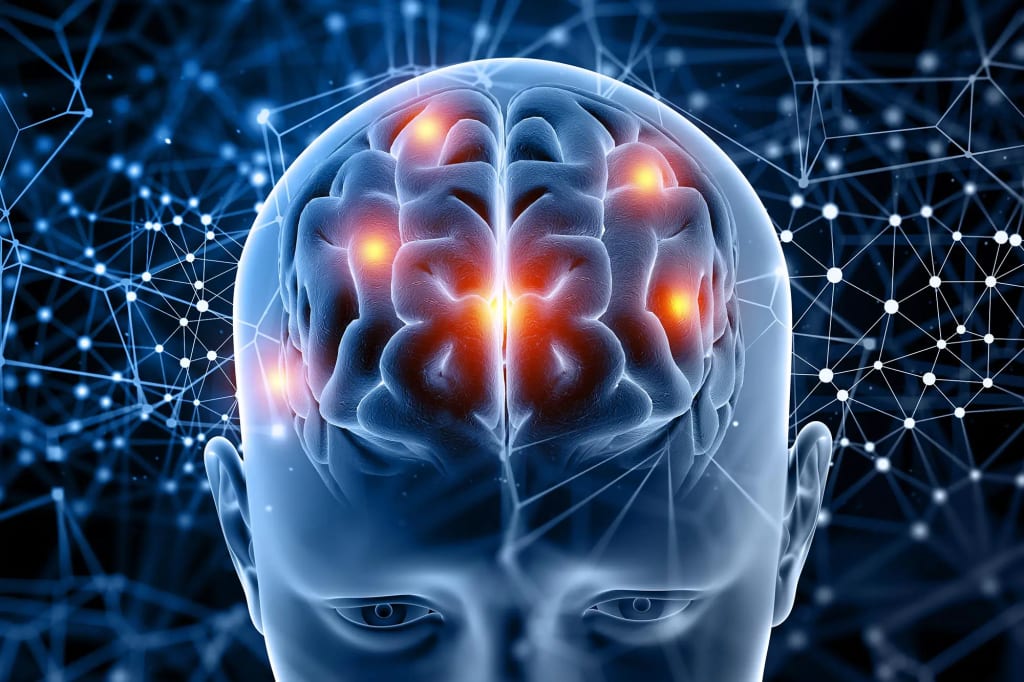
Cognitive neuroscience aims to unravel the mysteries of the human mind by studying the complex relationship between brain activity and cognitive processes. One of the most powerful tools in this field is brain imaging, which allows researchers to map the mind and investigate the neural underpinnings of various cognitive functions. In recent years, advancements in brain imaging techniques have revolutionized our understanding of the brain, opening new avenues of research and expanding our knowledge of the human mind.
One of the pioneering techniques in brain imaging is functional magnetic resonance imaging (fMRI). fMRI measures changes in blood flow and oxygenation levels in the brain, providing a window into neural activity. By detecting these hemodynamic responses, researchers can identify brain regions that are active during specific cognitive tasks. This non-invasive technique has become a cornerstone in cognitive neuroscience, enabling the mapping of brain activity associated with language processing, attention, memory, decision-making, and many other cognitive functions.
fMRI has not only allowed us to identify brain regions involved in specific tasks but has also revealed functional networks that span multiple regions. Resting-state fMRI, for example, captures spontaneous fluctuations in brain activity while individuals are at rest, revealing patterns of connectivity between different brain regions. These resting-state networks provide insights into the brain's intrinsic organization and have shed light on the functional interactions between regions involved in various cognitive processes.
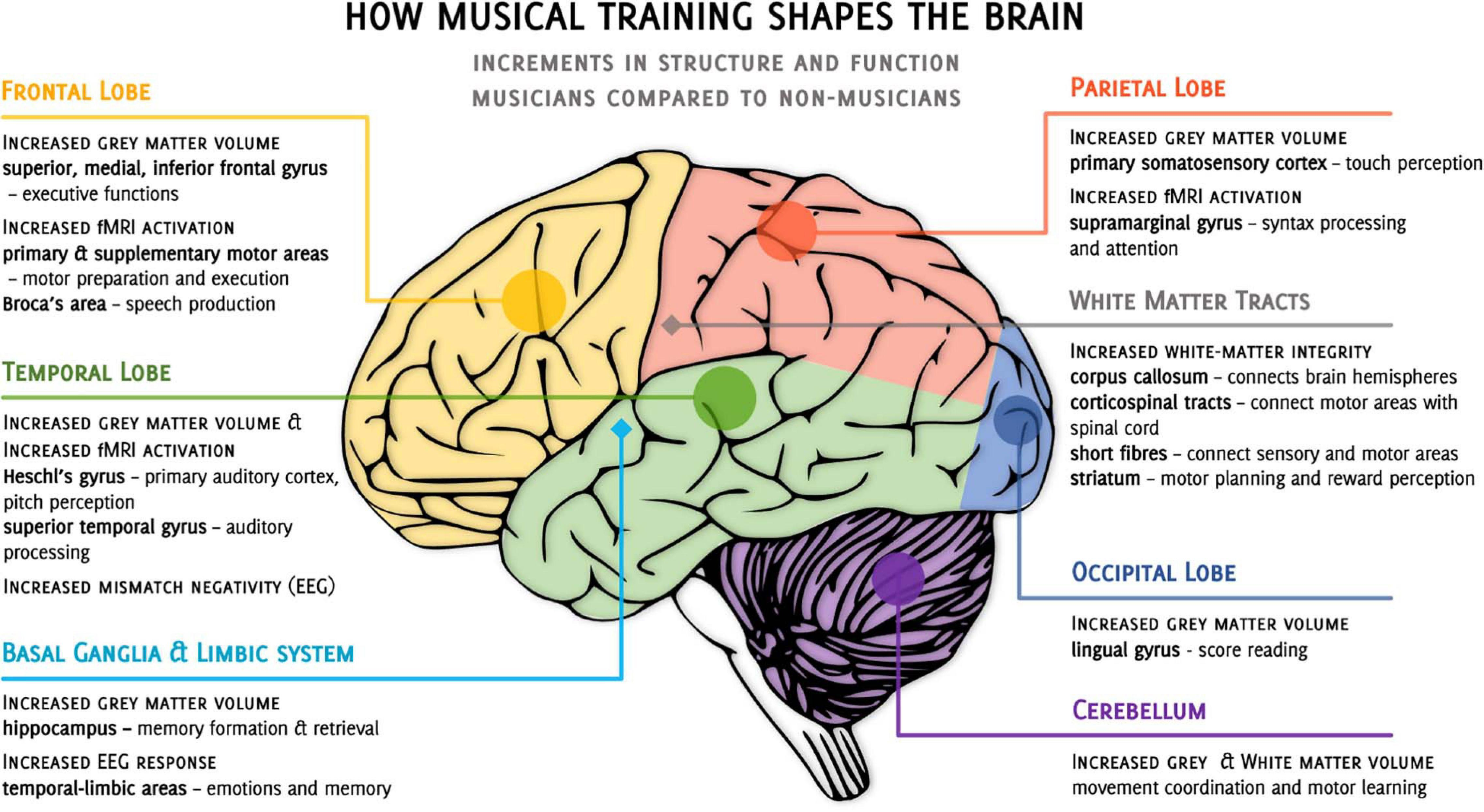
Another powerful brain imaging technique is electroencephalography (EEG), which records electrical activity in the brain through electrodes placed on the scalp. EEG provides millisecond-level temporal resolution, allowing researchers to examine the dynamics of brain activity during cognitive tasks. By analyzing EEG data, researchers can investigate event-related potentials (ERPs), which are specific patterns of brain activity associated with cognitive events, such as the P300 component linked to attention and decision-making processes.
Combined with EEG, magnetoencephalography (MEG) measures the magnetic fields generated by the brain's electrical activity. MEG offers similar temporal resolution to EEG but with improved spatial accuracy. It has become a valuable tool for investigating the timing and localization of brain activity, especially in tasks involving rapid processing or fine-grained temporal dynamics, such as speech perception or motor control.
Advancements in brain imaging have also allowed researchers to explore the structural connectivity of the brain. Diffusion tensor imaging (DTI) is a technique that measures the diffusion of water molecules along neural pathways, providing information about the brain's white matter tracts. By reconstructing these pathways, researchers can map the structural connections between different brain regions. This approach has been instrumental in understanding how anatomical connectivity relates to cognitive functions and how alterations in connectivity contribute to neurological and psychiatric disorders.
Moreover, emerging techniques like functional near-infrared spectroscopy (fNIRS) and positron emission tomography (PET) provide additional tools for studying brain activity and metabolism. fNIRS measures changes in oxygenation levels using near-infrared light, making it portable and suitable for studying infants and individuals in naturalistic settings. PET, on the other hand, uses radioactive tracers to detect changes in blood flow, glucose metabolism, and neurotransmitter activity, providing insight into the molecular aspects of brain function.
Mapping the mind through brain imaging techniques has transformed our understanding of cognitive processes and their neural substrates. It has revealed the distributed nature of brain function, with different regions and networks working in concert to support complex cognitive operations. By identifying brain regions involved in specific tasks, researchers have gained insights into the neural mechanisms underlying attention, perception, memory, language, and other cognitive domains.
These advancements in brain imaging techniques have not only deepened our understanding of the healthy brain but also provided crucial insights into neurological and psychiatric disorders. By comparing brain activity and connectivity in individuals with different conditions, researchers can identify biomarkers
About the Creator
Enjoyed the story? Support the Creator.
Subscribe for free to receive all their stories in your feed.
Comments
There are no comments for this story
Be the first to respond and start the conversation.