
Mahakumbh: The Grand Spiritual Confluence of Faith and Tradition
A Sacred Gathering of Devotion and Spirituality
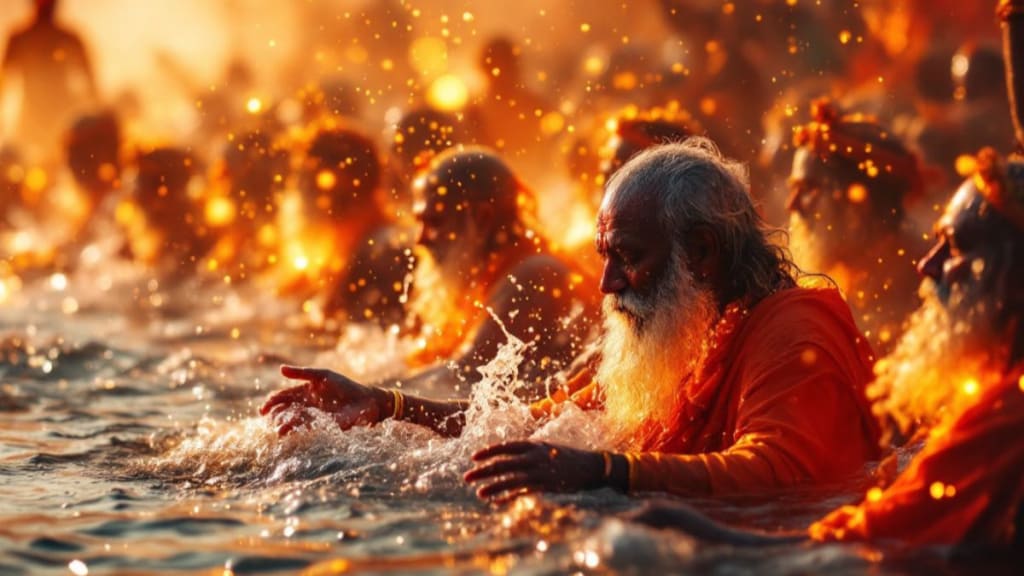
Mahakumbh, the largest religious gathering in the world, is a spectacular confluence of faith, spirituality, and culture. Held once every 12 years, this grand festival attracts millions of devotees, saints, and tourists from across the globe. Rooted in Hindu mythology, Mahakumbh is not just a festival but a sacred pilgrimage that offers spiritual purification and divine blessings.
The Legend Behind Mahakumbh
The origins of Mahakumbh trace back to Hindu mythology, specifically the story of the Samudra Manthan (Churning of the Ocean). According to legend, the gods (Devas) and demons (Asuras) churned the ocean to obtain Amrit (the nectar of immortality). As they struggled to possess the nectar, a few drops spilled at four locations—Prayagraj, Haridwar, Ujjain, and Nashik. These places became the sacred sites of the Kumbh Mela, where devotees believe bathing in the holy rivers washes away sins and grants liberation (Moksha).
Significance of Mahakumbh
Mahakumbh holds immense religious and spiritual significance in Hinduism. It is considered an opportunity for self-purification, penance, and attaining divine blessings. Saints, sadhus, and spiritual leaders from different sects gather to share their wisdom, meditate, and perform rituals. Pilgrims believe that taking a dip in the sacred rivers during the Kumbh Mela cleanses them of their sins and leads them towards salvation.
The Four Sacred Locations of Kumbh Mela
Mahakumbh rotates between four holy sites in India:
- Prayagraj (Allahabad) – Confluence of the Ganga, Yamuna, and mythical Saraswati rivers.
- Haridwar – On the banks of the Ganga River.
- Ujjain – On the banks of the Shipra River.
- Nashik – On the banks of the Godavari River.
Each location hosts a Purna Kumbh every 12 years, while an Ardh Kumbh Mela (half Kumbh) is held every six years. A MahaKumbh Mela, which is the largest and most significant, occurs once every 144 years in Prayagraj.
Highlights of Mahakumbh
- Shahi Snan (Royal Bath): The most important ritual, where saints and sadhus from various sects take a holy dip in the river.
- Akharas and Naga Sadhus: Various Akharas (monastic orders) participate, with the Naga Sadhus, known for their ascetic lifestyle, being a major attraction.
- Religious Discourses and Yajnas: Spiritual discussions, discourses, and havans (fire rituals) are conducted throughout the event.
- Cultural Events: Folk performances, devotional music, and spiritual gatherings create an electrifying atmosphere.
- Pilgrim Experience: Millions of devotees from all walks of life unite in faith, making Mahakumbh a symbol of spiritual harmony.
- Community and Philanthropy: Many organizations and devotees engage in charitable activities, distributing free food, medical aid, and essential supplies to the needy, reinforcing the spirit of selfless service.
- Spiritual Learning and Yoga: Alongside religious rituals, the Mahakumbh provides an opportunity to learn ancient spiritual practices, including meditation and yoga, under the guidance of renowned gurus and yogis.
- International Participation: Over the years, Mahakumbh has attracted global spiritual seekers, researchers, and tourists who come to experience the mystical energy and traditions of India.
- Symbolism of Unity: The festival serves as a bridge between different cultures, fostering unity among devotees from diverse backgrounds, faiths, and traditions.
- Environmental Initiatives: Efforts are made to maintain cleanliness and sustainability, including waste management, river cleaning drives, and promoting eco-friendly practices during the festival.
Impact of Mahakumbh
Mahakumbh is not just a religious event but also a significant cultural and economic phenomenon. It generates employment, boosts tourism, and promotes India’s rich heritage globally.
The government ensures extensive arrangements for safety, hygiene, and crowd management, making it one of the most well-organized mass gatherings in the world. It also serves as a melting pot of cultures, where people from diverse backgrounds come together to celebrate a shared faith.
Conclusion
Mahakumbh is a testament to India’s deep-rooted spiritual traditions and cultural magnificence. It is an event where faith transcends boundaries, connecting millions in a shared journey of devotion and enlightenment. Whether for spiritual awakening, cultural exploration, or witnessing the grandeur of humanity’s largest congregation, Mahakumbh remains an unparalleled experience.
If you ever get a chance to attend Mahakumbh, embrace the divinity, absorb the energy, and become part of this extraordinary celebration of faith.
About the Creator
Enjoyed the story? Support the Creator.
Subscribe for free to receive all their stories in your feed.
Comments
There are no comments for this story
Be the first to respond and start the conversation.