
Lost Echoes
The Untold Story of Northeast India in India's National Narrative
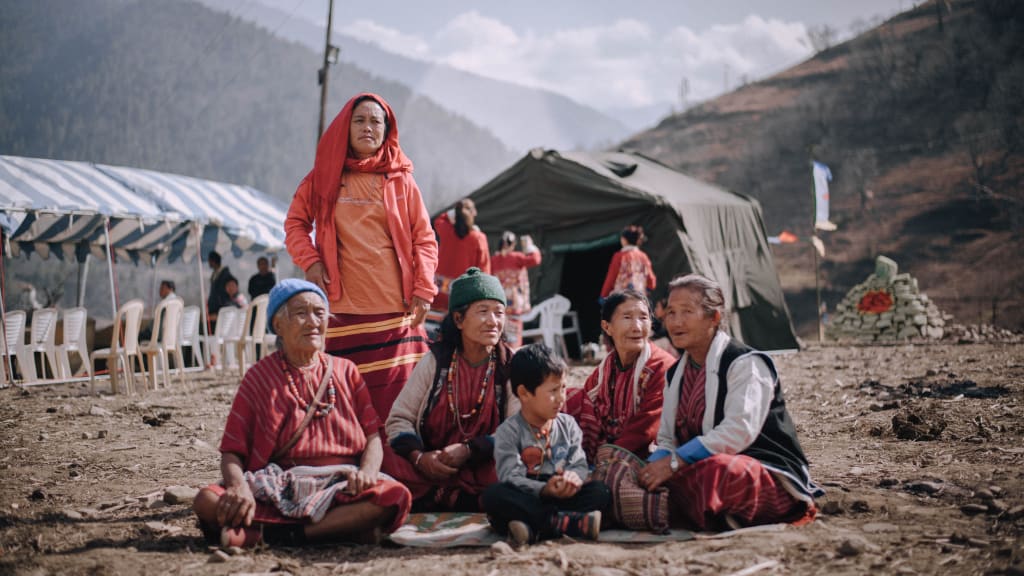
The Northeast region of India, often referred to as the Seven Sisters, has a long and complex history that has largely been erased from mainstream Indian history. This erasure has had significant consequences for the people and cultures of the region, who have struggled to assert their place within the broader Indian narrative. In this paper, we will explore the ways in which the Northeast has been erased from Indian history, and the implications of this erasure for the region and its people.
One of the primary ways in which the Northeast has been erased from Indian history is through the use of language. In many official histories and narratives of India, the Northeast is portrayed as a remote and exotic region, populated by tribes and other groups that are portrayed as primitive and uncivilized. This narrative has been perpetuated by the use of language that exoticizes and otherizes the people of the Northeast, referring to them as "tribals" or "hill people" rather than as members of specific communities or cultures (Singh, 2019).
This language not only erases the diversity of the Northeast, but it also perpetuates a narrative of Indian identity that is exclusionary and based on a narrow, One Language+ Culture-centric view of the nation, which is often also a result of cultural imperialism. As a result, the Northeast is often seen as peripheral to Indian culture and history, rather than an integral part of it.
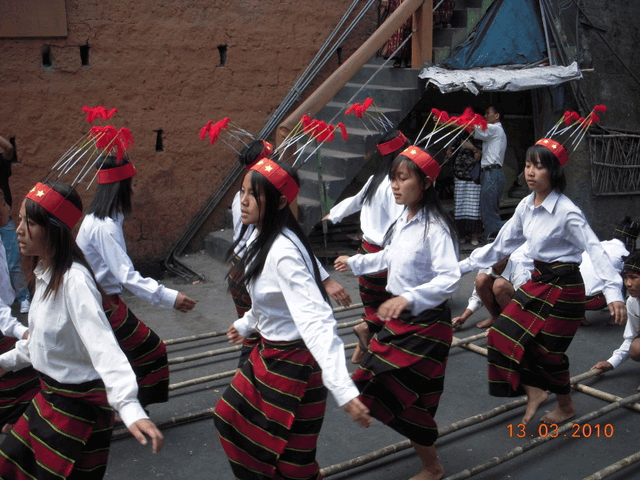
Another way in which the Northeast has been erased from Indian history is through the neglect of the region in educational curricula. Many Indian history textbooks do not include information on the Northeast, and those that do often present a distorted or incomplete picture of the region's history and culture. For example, the history of the Assamese language, one of the most widely spoken languages in the Northeast, is often overlooked in Indian history textbooks (Chetia, 2018).
This erasure has significant implications for the people of the Northeast, who often feel marginalized and excluded from the broader Indian narrative. It also has real-world consequences for the development of the region, as the neglect of the Northeast in educational curricula means that many Indians are not aware of the region's unique cultural and economic contributions to the nation as a whole.
Finally, the erasure of the Northeast from Indian history has had significant political implications. The region has a long history of separatist movements, many of which have been fueled by a sense of exclusion from the broader Indian narrative. The Indian government's response to these movements has often been heavy-handed, and has contributed to a cycle of violence and conflict in the region (Baruah, 2011).
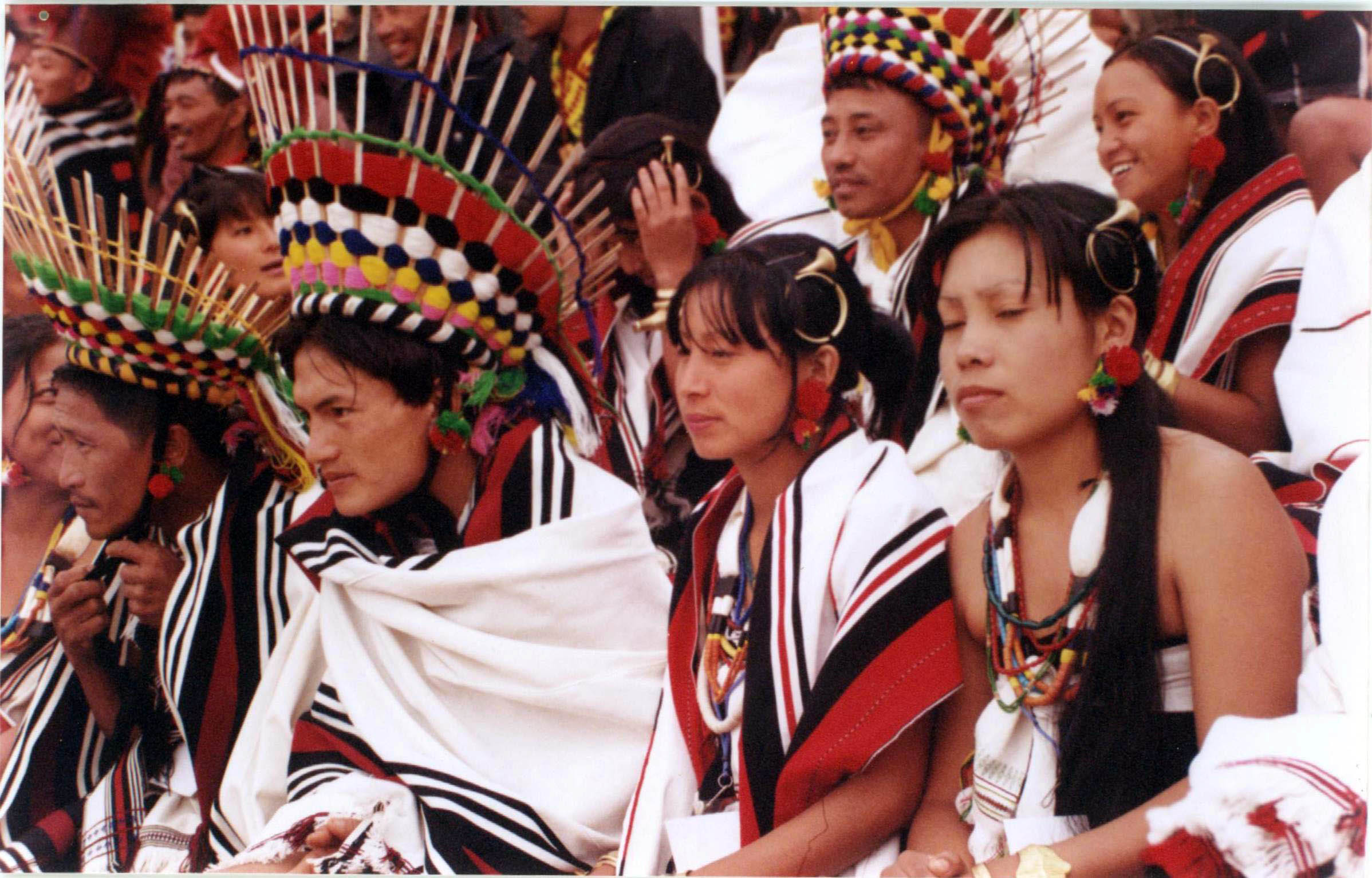
Moreover, the government has been accused of exploiting the region's natural resources, leading to environmental degradation and displacement of indigenous peoples. This exploitation has often been justified in the name of national development, further perpetuating the erasure of the Northeast from Indian history and identity.
In conclusion, the erasure of the Northeast from Indian history is a complex and multifaceted issue with significant implications for the people and cultures of the region. Through language, education, and politics, the Northeast has been marginalized and excluded from the broader Indian narrative, perpetuating a narrative of Indian identity that is exclusionary and based on a narrow, One Culture-centric view of the nation. If India is to truly be a diverse and inclusive nation, it must reckon with the erasure of the Northeast from its history and identity, and work to integrate the region into the broader narrative of the nation.
Citations
Baruah, S. (1994). Imaginary India: The Northeast in India's Historical Imagination. Economic and Political Weekly, 29(16), 963-968.
Chakravarty, S. (2009). A Fragile Inheritance: Radical Stakes in Contemporary Indian Art. Duke University Press.
Chakravarty, S. (2012). Adivasi Histories and Political Imaginaries in Contemporary India. In H. K. Sardar & C. M. Wijeyewardene (Eds.), The Making of History: Essays Presented to Irfan Habib (pp. 102-120). Tulika Books.
Das, B. (2014). Reimagining the Northeast: India's Relations with Bangladesh and Myanmar. Academic Foundation.
Deka, A. (2019). Identity, Violence and Democracy in Northeast India. Routledge.
Goswami, M. (2013). Northeast India: A Place of Relations and Marginality. Economic and Political Weekly, 48(22), 57-63.
Hazarika, S. (2009). Rites of Passage: Border Crossings, Imagined Homelands, India's East and Bangladesh. Penguin.
Menon, S. (2016). Northeastern Troubles. The Hindu. Retrieved from https://www.thehindu.com/opinion/op-ed/northeastern-troubles/article8599329.ece
Pandey, G. (2001). Remembering Partition: Violence, Nationalism and History in India. Cambridge University Press.
Subramanian, N. (2008). The Darker Side of the Hill: The Adivasis of Northeast India. Economic and Political Weekly, 43(7), 28-31.
About the Creator
Enjoyed the story? Support the Creator.
Subscribe for free to receive all their stories in your feed.
Comments
There are no comments for this story
Be the first to respond and start the conversation.