
Live Longer with This Balanced Workout: A Key to Aging Gracefully
Discover the Workout Routine That Promotes Longevity and Vitality
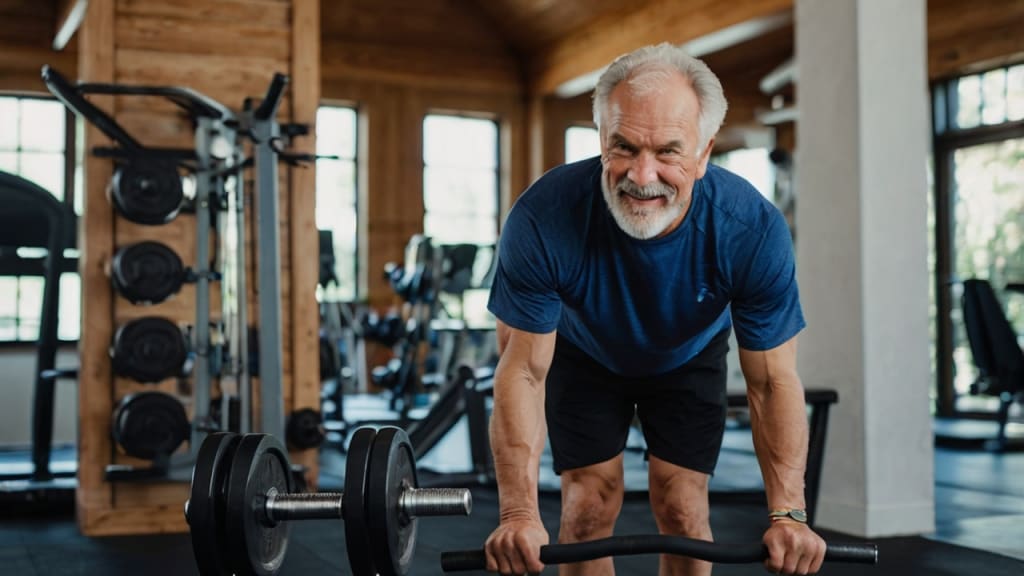
In today’s fast-paced world, where the demands of life can often lead to stress, fatigue, and health issues, focusing on longevity is more important than ever. While modern medicine and technology have helped people live longer, it’s regular exercise that truly supports a healthy, fulfilling life in our later years. It’s no secret that staying active is a vital component of aging gracefully, but not all workouts are created equal. A balanced workout routine that combines strength training with low-impact cardio is the key to boosting your lifespan, preventing chronic diseases, and maintaining vitality as you age. Here’s why this balanced workout is your best option for living a long, healthy life.
The Importance of Strength Training for Longevity
Strength training, often misunderstood as a pursuit solely for bodybuilders or athletes, is one of the most effective exercises for promoting long-term health. As we age, our muscles naturally begin to shrink, a condition known as sarcopenia. After the age of 30, we can lose up to 3-8% of our muscle mass per decade. This loss can lead to increased vulnerability to falls, frailty, and a slower metabolism.
Incorporating strength training into your workout routine helps combat muscle loss and supports the maintenance of muscle mass throughout life. The benefits of strength training go beyond just muscle preservation. This form of exercise is essential for maintaining bone health. As we get older, bone density declines, leading to an increased risk of fractures. Weight-bearing exercises strengthen bones and improve bone density, which is crucial for long-term mobility and a lower risk of osteoporosis.
What’s more, strength training is not just about building muscle; it also boosts your metabolism. An increase in muscle mass means a higher resting metabolic rate, meaning you burn more calories throughout the day—even at rest. This helps with weight management, reducing the risk of obesity and related chronic conditions like heart disease and type 2 diabetes.
Low-Impact Cardio: A Lifesaver for Heart Health
While strength training is vital, cardiovascular health is another cornerstone of longevity. Traditional cardio exercises, like running or jumping, can sometimes put too much strain on the joints, especially as you age. That’s where low-impact cardio comes in—a powerful form of exercise that promotes heart health while minimizing the risk of injury.
Low-impact cardio exercises like walking, swimming, cycling, or using an elliptical machine offer the same cardiovascular benefits as high-impact exercises, but without the strain. These activities improve heart and lung function, increase circulation, and help lower blood pressure. The result? A lower risk of heart disease, stroke, and high cholesterol—three of the leading causes of premature death.
Additionally, low-impact cardio helps to regulate blood sugar levels and manage weight. By improving endurance and stamina, these exercises keep you active and energized, allowing you to continue living an active lifestyle as you age. Whether it’s a brisk walk around the neighborhood or an hour of swimming, low-impact cardio is easy on the joints and great for your cardiovascular system.
Why Combining Strength Training and Cardio is the Ultimate Workout
The most effective way to support longevity is to combine strength training with low-impact cardio. This balanced approach addresses both muscle preservation and cardiovascular health, two essential factors for long-term wellness. While strength training maintains and builds muscle, low-impact cardio ensures that your heart, lungs, and joints stay healthy and functional.
By blending the two, you’re ensuring that your body stays strong, mobile, and energized. The combination of both types of exercise also helps you avoid the pitfalls of focusing too much on one area. For example, strength training without cardio may lead to muscle development without cardiovascular benefits, and cardio without strength training might result in muscle loss and weaker bones. Together, they provide a well-rounded fitness routine that supports both your body and mind.
This combination of strength and cardio also prevents workout monotony, which is a common reason people give up on exercise routines. The variety keeps things interesting and motivates you to stay consistent, making it easier to stick with your fitness plan in the long run. Additionally, mixing up your exercises prevents overuse injuries and ensures that all areas of your body are being challenged and strengthened.
The Mental Health Benefits of a Balanced Workout
Longevity isn’t just about physical health—it’s also about mental well-being. Regular physical activity is known to release endorphins, the body’s natural “feel-good” hormones, which help reduce stress, anxiety, and depression. Whether it’s the satisfying pump you get from lifting weights or the calming effects of a gentle walk, exercise boosts your mood and mental clarity.
Strength training, in particular, has been shown to increase self-esteem and confidence, as it gives you a sense of accomplishment and empowerment. It can also improve cognitive function, which helps with memory, focus, and mental clarity as you age.
Low-impact cardio exercises like swimming or walking have therapeutic benefits, offering a meditative quality that helps clear the mind and reduce stress. Regular exercise has been linked to improved sleep patterns, reduced anxiety, and a more positive outlook on life. Mental health is just as crucial as physical health when it comes to longevity, and a balanced workout can help maintain both.
Flexibility and Adaptability: A Workout for All Ages
The beauty of a balanced workout routine is its adaptability. Whether you’re in your 20s or your 70s, strength training combined with low-impact cardio can be tailored to suit your fitness level and health goals. For younger individuals, the routine can be more intense, incorporating heavier weights and more challenging cardio. As you age, you can reduce the intensity to match your capabilities, ensuring that your routine remains safe, effective, and sustainable.
Even beginners can benefit from this type of workout by starting with lighter weights and shorter cardio sessions. The key is consistency—incorporating strength and cardio exercises into your routine can make a noticeable difference in your energy levels, mobility, and overall health.
Conclusion: The Secret to Aging Gracefully
If you want to live a longer, healthier life, adopting a workout routine that combines strength training and low-impact cardio is one of the best investments you can make. Not only does this balanced approach support physical health by preserving muscle mass, boosting cardiovascular function, and improving flexibility, but it also nurtures your mental well-being by reducing stress and enhancing your mood.
By incorporating both strength and cardio into your fitness plan, you’re taking a proactive step toward a vibrant, fulfilling life. You’ll feel stronger, more energetic, and better equipped to face the challenges that come with aging. The best part? You’re giving your body the tools it needs to thrive—now and for decades to come. So, lace up your shoes, grab those dumbbells, and start investing in your future health today. Your body will thank you for it!
About the Creator
Enjoyed the story? Support the Creator.
Subscribe for free to receive all their stories in your feed.
Comments
There are no comments for this story
Be the first to respond and start the conversation.