
Lighting as Storytelling: Turning Modern Events Into Unforgettable Experiences
The Stagecraft Behind Memorable Event Experiences
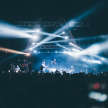

Lighting as storytelling is changing how modern events look, feel, and connect with guests. In the past, event lighting was often seen as a basic need. It helped people see the stage, tables, signs, and performers. Today, lighting has a much deeper role. It creates emotion. It builds suspense. It guides attention. It helps tell the story of the event from the first welcome to the final goodbye.
Theater has used lighting this way for a long time. On stage, a single beam of light can make a person feel important. A soft blue wash can create calm. A sudden flash can bring surprise. A slow fade can signal a quiet change. These same ideas now help weddings, galas, business events, concerts, award shows, and brand launches feel more powerful.
Lighting as storytelling works because people react to light quickly. Guests may not stop and think about each color or shadow. Still, they feel the mood. They know when a moment feels serious, joyful, romantic, or exciting. With theater-inspired lighting, event planners can shape those feelings with care.
Lighting Sets the First Mood
The first few seconds of an event matter. Guests form an opinion as soon as they enter the room. Lighting helps shape that first feeling. A bright space can feel active and open. A soft glow can feel warm and private. Darker lighting with highlights can feel dramatic and high-end.
This first mood should match the purpose of the event. A product launch may need bold, clean lighting that feels modern. A wedding may need soft tones that feel personal and romantic. A charity dinner may need warm light that helps people feel welcome and connected.
Lighting as storytelling starts at the entrance. It can guide guests from the doorway to the main space. It can highlight signs, flowers, walls, displays, or photo areas. When the lighting feels planned, guests sense that the event has a clear direction.
Theater Techniques Add Emotion
Theater lighting is built around emotion. Every scene has a feeling, and the lighting supports that feeling. Modern events can use this same method. Instead of keeping the room the same all night, the lighting can shift as the event changes.
A dinner may begin with gentle amber tones. A speech may move into a focused spotlight. A video may use dim light around the room. A celebration may end with bright color and movement. Each change helps guests feel the next part of the event.
This approach makes lighting more than decoration. It becomes part of the message. It helps people understand the tone without being told. That is the heart of lighting as storytelling.
Color Builds Meaning
Color is one of the most useful tools in event lighting. Each color can create a different feeling. Warm colors like gold, amber, and soft pink can feel friendly, romantic, and inviting. Cool colors like blue, purple, and silver can feel calm, sleek, or formal. Bright colors can bring energy and fun.
Color can also support a brand, theme, or season. A company event may use brand colors during a product reveal. A winter gala may use soft white and blue tones. A fall wedding may use amber, copper, and deep red light.
Color should not be random. Too many colors can make a room feel busy. A strong event lighting plan uses color with purpose. The color should match the story being told in that moment.
Spotlights Guide the Eye
Guests need to know where to look. In theater, lighting guides the audience from one actor or place to another. Events need the same kind of focus. A room can have many distractions, such as screens, centerpieces, food stations, décor, and guests moving around.
A spotlight can pull attention to a speaker. A stage wash can make a panel feel clear and professional. A soft highlight can draw attention to a cake, award table, product display, or guest of honor.
This type of lighting helps the event feel organized. It also helps important moments stand out. When light points the way, guests do not have to search for the main action. They can stay connected to the experience.
Shadows Create Depth and Drama
Good lighting is not only about brightness. Shadows are just as important. Theater designers know that shadows can create mystery, shape, and depth. Event designers can use shadows to make a space feel more interesting.
A flat, fully lit room can feel plain. A room with soft shadows and bright focal points can feel rich and layered. Uplights can add height to walls. Pattern lights can add texture to floors or ceilings. Backlighting can make people or objects stand out.
Shadows can also hide parts of a space that do not support the design. Many event venues have plain walls, service doors, or unused corners. Smart lighting can draw attention away from those areas and toward the parts that matter most.
Lighting Cues Improve Event Flow
In theater, lighting changes happen at planned times. These changes are called cues. They help scenes begin, shift, and end. Modern events can use lighting cues to create a smoother flow.
A cue can happen when a speaker walks on stage. It can happen when dinner begins. It can happen during a first dance, award reveal, video, toast, or final song. The timing of each lighting change can make the moment feel more polished.
Lighting as storytelling becomes stronger when cues match sound, movement, and emotion. A soft fade can calm the room before a speech. A bright burst can make a reveal feel exciting. A dim scene can prepare guests for a serious message.
These cues do not need to be complex. Even simple changes can make the event feel more professional and memorable.
Movement Brings Energy
Moving lights are common in theater, concerts, and large productions. They can also enhance modern events when used with care. Movement can bring life to a dance floor, stage entrance, or performance. It can make a brand launch feel bold and exciting.
Still, movement should match the event tone. Fast-moving lights may work well for a party or concert-style moment. Slow moving patterns may work better for a formal dinner or elegant gala. The key is balance.
Too much movement can distract guests. The best lighting design uses movement only when it supports the story. It should add energy without taking attention away from the main moment.
The Final Scene Leaves a Lasting Memory
The end of an event matters as much as the beginning. Theater often uses lighting to close a story with feeling. Modern events can do the same. A final lighting scene can help guests leave with a strong memory.
At a wedding, the final scene may use warm lights around the dance floor. At a corporate event, it may use brand colors one last time. At a gala, it may use soft lighting that feels elegant and calm. For outdoor events, pathway lights can guide guests out with comfort and style.
Lighting as storytelling helps create a complete journey. It gives each part of the event a clear mood. It helps guests move from welcome to excitement, from focus to celebration, and from connection to farewell.
Modern events are not only about what guests see. They are about what guests feel. Theater-inspired lighting helps create those feelings in a clear and powerful way. It can turn a plain room into a stage, a speech into a moment, and a gathering into a story.
When lighting is planned with purpose, it becomes more than a design feature. It becomes a voice. It speaks through color, shadow, focus, and timing. That is why lighting as storytelling is one of the most valuable tools in modern event design. It helps every event feel more alive, more meaningful, and more unforgettable.
About the Creator
Brian Casella
Brian Casella is an event lighting designer and property owner who blends creativity with business across the Northeast through design and real estate work.
Portfolio: https://briancasella.com/
Enjoyed the story? Support the Creator.
Subscribe for free to receive all their stories in your feed.
Comments