
Lighting as Storytelling in Events: Transforming Spaces with Theater-Inspired Design
Lighting as Storytelling: Crafting Emotion and Atmosphere Through Light
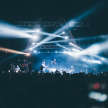

Introduction to Lighting as Storytelling
Lighting as storytelling has become a key part of modern events. It is no longer just about making a space visible. It is about shaping how people feel and respond. Event planners now use lighting to guide emotions and create meaning. This idea comes from theater, where light plays a big role in telling a story. By using these methods, events become more engaging and memorable.
The Role of Light in Setting the Mood
Lighting is often the first thing guests notice when they enter a space. It sets the tone right away. Soft lighting can make a room feel calm and welcoming. Bright lighting can create energy and excitement. Lighting as storytelling allows planners to control these feelings. It helps match the mood with the purpose of the event. A formal event may use warm tones, while a party may use bold and colorful lights.
Borrowing Ideas from Theater Design
Theater designers use light to guide the audience through a story. They focus on timing, color, and placement. These same ideas now help shape modern events. Lighting as storytelling brings these techniques into event design. Planners think about how light changes during the event. They plan each moment with care, just like a stage performance. This approach adds depth and meaning to the overall experience.
Color Choices That Influence Emotion
Color plays a major role in how people feel. Different colors can create different reactions. Red can feel strong and exciting. Blue can feel calm and steady. Lighting as storytelling uses these effects to support the event theme. For example, a wedding may use soft pink and gold tones. A business event may use cool blue shades. Changing colors during the event can also guide emotional shifts.
Highlighting Important Moments
Every event has key moments that need attention. Lighting helps make these moments stand out. Spotlights are often used for this purpose. They draw focus to speakers, performers, or special guests. Lighting as storytelling uses these tools to guide the audience. When the light shifts, people know something important is happening. This creates a stronger connection between the event and the audience.
Creating Depth with Layered Lighting
A well-lit space uses more than one type of light. Layered lighting adds depth and dimension. It includes ambient light, accent light, and task light. Ambient light fills the room. Accent light highlights features like decor or stages. Task light focuses on specific areas. Lighting as storytelling becomes more effective with layers. It makes the space feel rich and complete rather than flat.
Smooth Transitions for Better Flow
Transitions in lighting help guide the event flow. In theater, light changes show shifts in time or mood. Events can use this same idea. Lights may dim before a speech or brighten during a celebration. Lighting as storytelling depends on smooth changes. These transitions should feel natural and not sudden. Good timing keeps guests engaged and aware of what is happening next.
Using Shadows for Visual Impact
Shadows can add depth and drama to a space. They are often used in theater to create mood. Events now use shadows in creative ways. Patterns and textures can be projected onto walls and floors. This adds visual interest without extra decor. Lighting as storytelling becomes more dynamic with shadows. It helps create a more immersive environment for guests.
The Power of Modern Lighting Technology
Technology has changed how lighting works in events. Smart systems allow quick and easy control. Planners can adjust color, brightness, and movement with precision. Lighting as storytelling becomes easier with these tools. Pre-set lighting cues help ensure smooth transitions. Moving lights and projections add creative effects. These features bring theater-level design to any event setting.
Building Lasting Impressions with Light
Guests may forget small details, but they remember how an event made them feel. Lighting plays a big role in that feeling. Lighting as storytelling helps create strong and lasting impressions. It supports the theme and enhances key moments. It also helps guests stay engaged from start to finish. A well-lit event feels polished and complete.
Turning Events into Stories with Light
Lighting as storytelling is more than a design choice. It is a way to bring events to life. By using theater-inspired techniques, planners can create deeper and more meaningful experiences. Every light, color, and transition plays a role. With careful planning, lighting can transform any event into a powerful story that guests will remember.
About the Creator
Brian Casella
Brian Casella is an event lighting designer and property owner who blends creativity with business across the Northeast through design and real estate work.
Portfolio: https://briancasella.com
Enjoyed the story? Support the Creator.
Subscribe for free to receive all their stories in your feed.
Comments