
Laparoscopic vs. Traditional Open Surgery: Which Is Better?
The choice between laparoscopic and traditional open surgery largely depends on the type of surgery being performed, the patient’s overall health, and the surgeon's expertise.

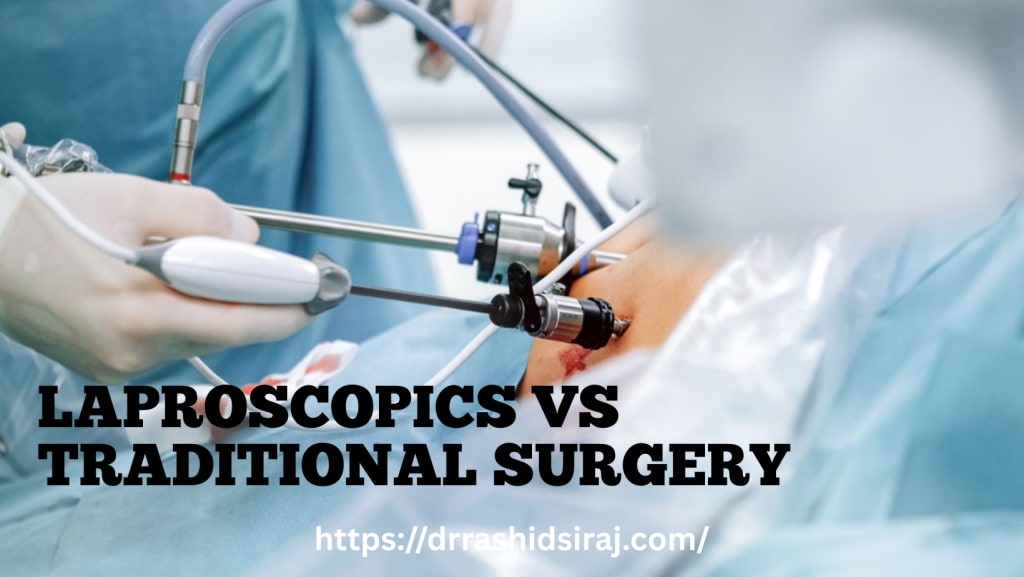
When it comes to undergoing surgery, patients often have many questions about the procedure, recovery time, and the potential risks involved. One of the most common comparisons in general surgery today is between laparoscopic surgery (often called "minimally invasive surgery") and traditional open surgery. These two techniques have distinct differences, and understanding them can help you make an informed decision about the type of surgery you may need.
As a patient, it’s important to consult with the best skilled general surgeon in Lahore or your local healthcare provider, as they can guide you through the process and recommend the best approach based on your individual needs. In this blog, we’ll explore the key differences between laparoscopic and traditional open surgery, their advantages, and their potential drawbacks, helping you determine which might be the better option for your medical condition.
What is Laparoscopic Surgery?
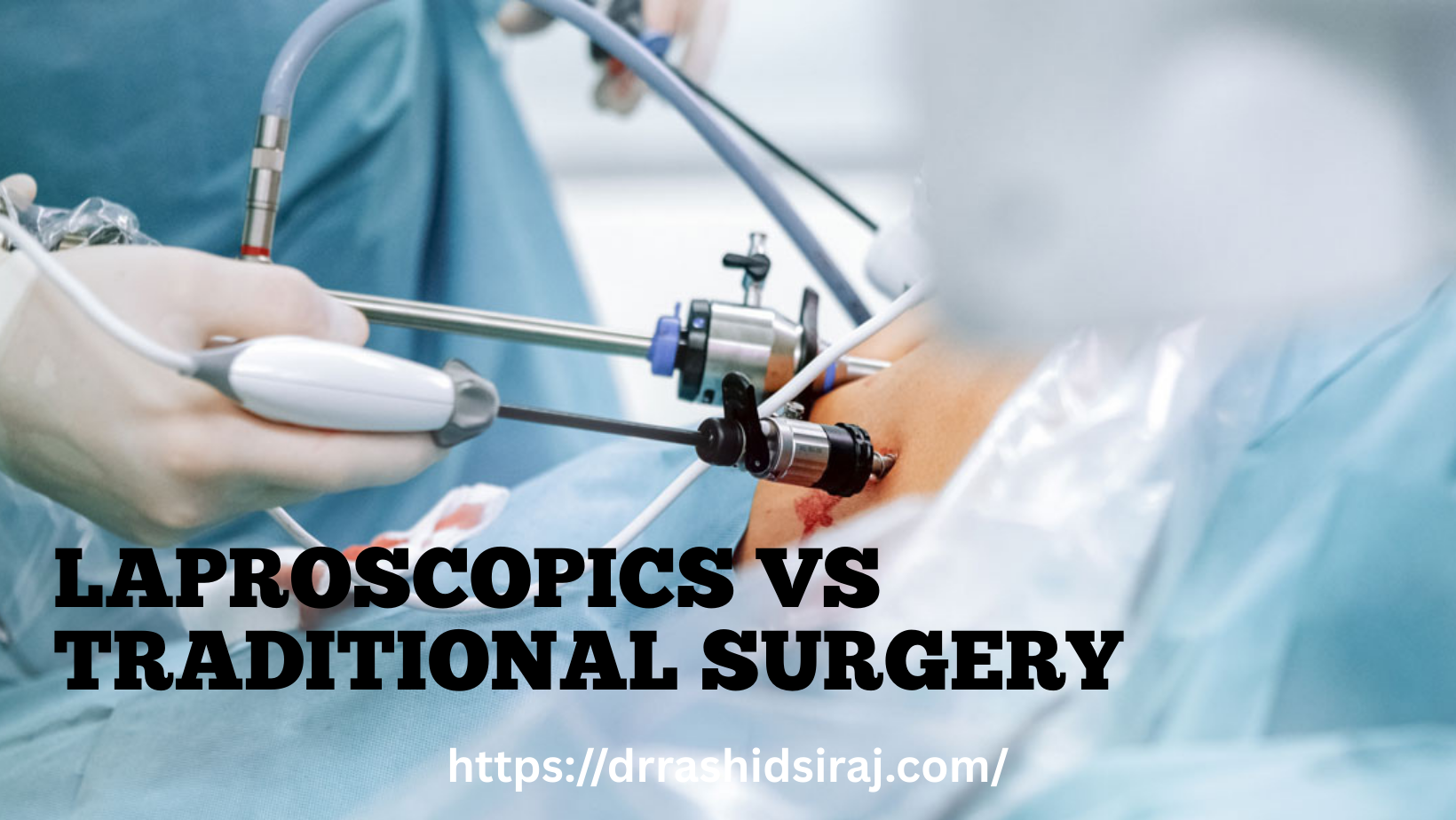
Laparoscopic surgery involves making small incisions (usually less than 1 cm) through which a camera (laparoscope) and specialized instruments are inserted to perform the surgery. The camera sends real-time images to a monitor, allowing the surgeon to view and operate on the affected area with high precision. Because the incisions are smaller, the procedure is often referred to as minimally invasive.
Laparoscopic techniques are most commonly used in gallbladder surgery, hernia repair, appendectomies, and other abdominal surgeries. Over the years, advancements in technology have allowed general surgeons to perform a wide range of complex surgeries using laparoscopic methods.
What is Traditional Open Surgery?
Traditional open surgery, on the other hand, involves making larger incisions to directly access the area of the body requiring surgery. This method is often used when the surgeon needs greater visibility or access to internal organs, especially for complex cases or emergencies.
While open surgery has been the standard for many years, it is often associated with longer recovery times and a greater risk of complications such as infection or excessive bleeding. However, open surgery may still be the preferred choice in certain medical conditions where laparoscopic techniques may not be viable.
Key Differences:
1. Size of Incisions
The most obvious difference between laparoscopic and traditional open surgery is the size of the incisions. In laparoscopic surgery, small incisions are made, typically no larger than a few centimeters. In contrast, traditional open surgery requires a much larger incision to allow the surgeon to access the internal area.
Laparoscopic Surgery: Small, minimally invasive incisions.
Open Surgery: A Larger incision to access the surgical area.
2. Recovery Time:
One of the significant advantages of laparoscopic surgery is the reduced recovery time. Since the incisions are smaller, the body experiences less trauma, which allows patients to recover faster. Most laparoscopic procedures involve shorter hospital stays, sometimes as short as one or two days, and many patients can return to work or regular activities within a few weeks.
On the other hand, traditional open surgery typically requires a longer hospital stay, often several days, and the recovery time can range from weeks to months, depending on the complexity of the surgery and the area involved.
Laparoscopic Surgery: Shorter recovery time and less post-operative pain.
Open Surgery: Longer recovery time with higher pain levels post-surgery.
3. Risk of Complications:
Laparoscopic surgery is often associated with fewer complications due to the smaller incisions. The risks of infection, bleeding, and scarring are generally lower. Additionally, the smaller incisions result in reduced tissue damage, which can lead to fewer post-surgical complications.
However, while laparoscopic surgery reduces the risk of some complications, it’s still important to recognize that all surgeries carry inherent risks, including anesthesia-related issues.
Laparoscopic Surgery: Lower risk of infection, bleeding, and scarring.
Open Surgery: Higher risk of complications due to larger incisions and more invasive nature.
4. Precision and Visualization:
In laparoscopic surgery, the camera used provides a clear, magnified view of the internal structures, allowing the surgeon to work with greater precision. This can be particularly advantageous when performing delicate procedures, as the surgeon can see and operate in fine detail.
Traditional open surgery, while offering direct visualization, may not offer the same magnification or detailed imaging. This can sometimes make complex procedures more challenging, especially in areas where precision is crucial.
Laparoscopic Surgery: High precision due to magnified views from the camera.
Open Surgery: Direct visualization, but lacks magnification for detailed work.
5. Pain and Scarring:
Laparoscopic surgery tends to result in less pain after the procedure due to smaller incisions. Patients also typically experience less scarring since the cuts are smaller and heal more quickly. This can significantly improve the cosmetic outcome, particularly for procedures performed in visible areas.
In contrast, the larger incisions in open surgery can result in more pain and a greater risk of visible scarring. Depending on the location and size of the incision, the healing process may also be slower.
Laparoscopic Surgery: Less pain and scarring.
Open Surgery: More pain and visible scarring.
When is Traditional Open Surgery Preferred?
While laparoscopic surgery has many advantages, there are situations where traditional open surgery may be the better option. Some conditions or surgeries require more extensive exposure, especially when there are complications or when the surgeon needs to work with large structures or tissues. For example, in cases of advanced cancer, i.e, Breast cancer or trauma where internal damage is severe, open surgery may be required for a better outcome.
Additionally, not all patients may be candidates for laparoscopic surgery. In cases where the patient has had previous surgeries, scarring, or anatomical issues, open surgery might be the safer and more effective approach.
Conclusion: Which Is Better?
The choice between laparoscopic and traditional open surgery largely depends on the type of surgery being performed, the patient’s overall health, and the surgeon's expertise. Laparoscopic surgery is generally the preferred method for many procedures due to its minimally invasive nature, quicker recovery time, and lower risk of complications. However, traditional open surgery may still be necessary in more complex cases or when laparoscopic techniques are not suitable.
If you’re considering surgery, it's important to consult with a general surgeon in Lahore or a medical professional who can assess your unique situation and recommend the best approach. They can help you understand the pros and cons of each option and guide you through the decision-making process.
In the end, both laparoscopic and traditional open surgeries have their place in modern medicine, and the key is to choose the one that provides the best outcome for your specific health needs.
About the Creator
Professor Dr.Rashid Siraj
Prof. Dr. Rashid Siraj is a highly experienced General, Laparoscopic, and Bariatric Surgeon in Lahore with over 20 years of expertise. Renowned for his remarkable and unmatched skills in bariatric and laparoscopic surgeries.
Enjoyed the story? Support the Creator.
Subscribe for free to receive all their stories in your feed.
Comments
There are no comments for this story
Be the first to respond and start the conversation.