
Kuro Nazo Best DFY Mystery Puzzle Book Ideas
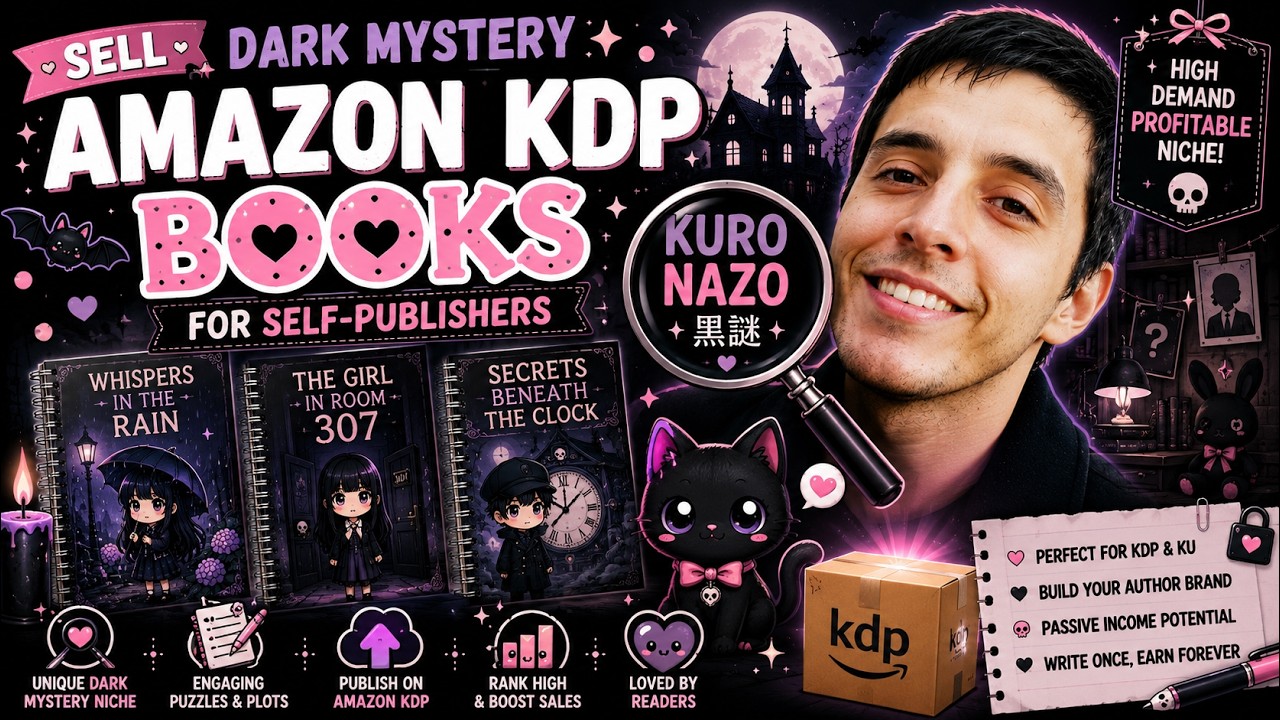
Lean how Kuro Nazo can support your mystery puzzle book ideas

I started digging into puzzle book publishing because I kept running into the same thing over and over again on Amazon listings: identical interiors disguised with different covers. Word searches that all looked the same. Sudoku grids copied in slightly different layouts. Maze templates recycled again and again, just with new branding slapped on top.
After a while, it became obvious—the traditional puzzle book market has turned into a space full of near-duplicates competing for the same attention.
And that made me curious about something else: what would it take to create puzzle books that don’t feel like worksheets… but actually feel like an experience?
That question led me straight into the world of mystery puzzle books for , and I quickly realized there’s a huge gap most independent creators are still not tapping into.
---
The Saturation Problem Nobody Really Talks About
If you browse any major marketplace’s puzzle category, the pattern is easy to spot.
At the top, you’ll usually find large publishers dominating with endless variations of word searches, crosswords, Sudoku collections, and fill-in puzzles. These books sell consistently—but not because they’re unique. They sell because they’re familiar.
The real challenge for new creators isn’t difficulty. These books are actually very easy to produce.
That’s the problem.
When something becomes easy to produce at scale, the market gets flooded. And when the interiors are all functionally identical, real differentiation almost disappears. A Sudoku grid doesn’t change much. A word search is still a word search. The only thing left to compete on is the cover—and even those have started to blend into the same neon gradients and stock-style designs.
While researching listings, I went through hundreds of customer reviews and questions. What stood out wasn’t complaints about quality—it was something much more interesting:
People were bored.
Comments like:
“Do you have anything different?”
“Is there a storyline?”
“Are the puzzles connected?”
The demand for something more immersive was already there. It just wasn’t being answered.
That’s when I shifted my focus toward **mystery activity books, detective puzzle books, and code-breaking experiences**—formats that felt completely different from traditional puzzle collections.
They weren’t just books of puzzles. They were experiences built around solving something.
---
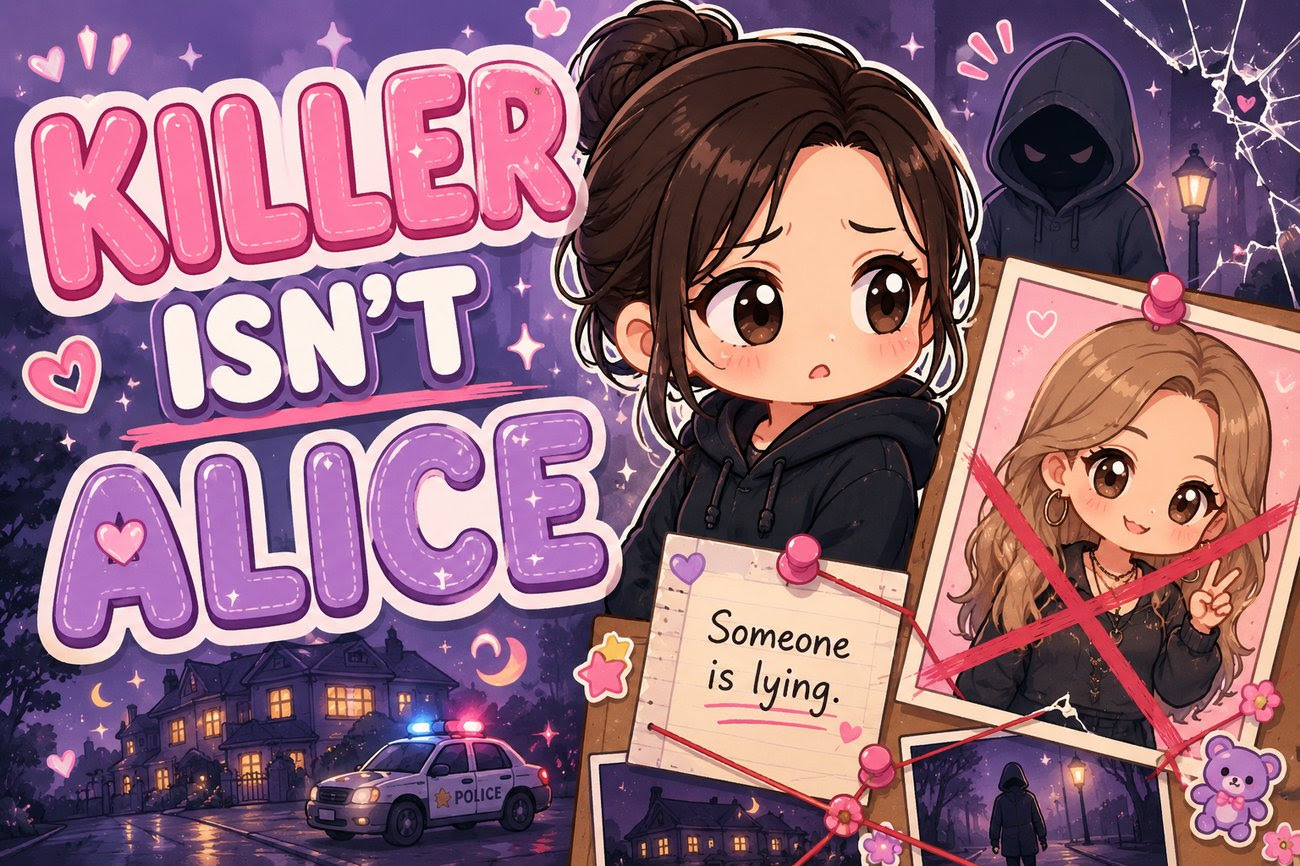
Building a Real List of Mystery Puzzle Book Ideas
From there, I started collecting formats that an independent creator could realistically build—not just ideas in theory, but actual publishable concepts.
After weeks of research and studying existing titles, a few strong patterns stood out:
Cold Case Puzzle Books
These put the reader in the role of a detective reopening an unsolved case. They work through evidence files, witness statements, timelines, and puzzles that slowly reveal hidden connections.
The puzzles themselves don’t need to be overly complex—the strength comes from the narrative framing.
---
Detective Case File Books
These are designed like real investigative folders. Crime scene photos, interview transcripts, forensic reports, and coded messages all come together like a digital-age evidence board.
It feels closer to true crime storytelling—but interactive.
---
Secret Message / Cipher Books
These focus heavily on decoding hidden messages from spies, missing persons, or secret organizations. They can start simple and gradually introduce more complex encryption systems.
The progression keeps readers engaged from beginning to end.
---
Spy Mission Puzzle Books
Here, the reader becomes an operative completing intelligence missions. Every puzzle has a purpose—decode a transmission, identify a double agent, or analyze surveillance logs.
Even simple logic puzzles feel more intense when they’re tied to a mission.
---
Code Breaker Books
These lean into cryptography and pattern recognition. Some even teach real historical cipher techniques as part of the progression, which gives the book an educational layer.
Readers who enjoy these usually come back for more.
---
Hidden Clue Puzzle Books
These require tighter design coordination. Clues are embedded across illustrations, documents, and puzzle solutions, all pointing toward a final outcome.
They often work best as “single sitting” experiences—like an escape room in book form.
---
Escape Room Style Books
These simulate locked-room scenarios or timed missions where each solved puzzle unlocks the next step.
The key challenge here is flow—each puzzle must logically lead into the next.
---
Puzzle Adventure Books
This is where story and puzzles fully merge. Instead of being separate sections, puzzles are embedded directly into the narrative.
The reader isn’t just solving—they’re progressing through the story in real time.
---
Investigation Journals
These add a personal layer. Readers take notes, track suspects, build timelines, and document their own theories as they solve the case.
It slows the pace down in a good way, making the experience more thoughtful and immersive.
---
Why These Formats Work Better Than Traditional Puzzle Books
The most interesting thing I noticed during research is that the best-reviewed mystery puzzle books aren’t really described as “puzzle books.”
They’re described as experiences.
Readers talk about:
* Getting absorbed for hours
* Feeling like detectives
* Solving something layered and meaningful
They compare them to escape rooms and mystery novels—not Sudoku books.
That shift matters.
Because it completely changes the competitive landscape. You’re no longer competing with low-cost puzzle collections. You’re competing with entertainment experiences people are willing to invest time and money into.
And that’s a much healthier space for independent creators.
Mystery puzzle books work because they satisfy two needs at the same time:
mental challenge
narrative engagement
Traditional puzzle books only deliver one of those. Mystery formats deliver both.
That’s why readers finish them faster, recommend them more, and remember them longer.
---
The Tool Gap Nobody Mentions
Once I had a clear list of formats, I ran into a very practical problem:
How do you actually build these books?
I started looking for puzzle creation tools, but almost everything I found was built for the same saturated formats—word searches, Sudoku, crosswords, and mazes.
Those tools are everywhere because the market is everywhere.
But none of them help with mystery-driven books.
There’s no tool that helps you structure a detective case file or build a spy mission where puzzles connect to narrative progression. What’s missing is integration—story, puzzles, and layout working together as one system.
At that point, it became clear that most creators would either need design skills or external help just to bring these ideas to life.
---
What I Found While Researching Publishing Workflows
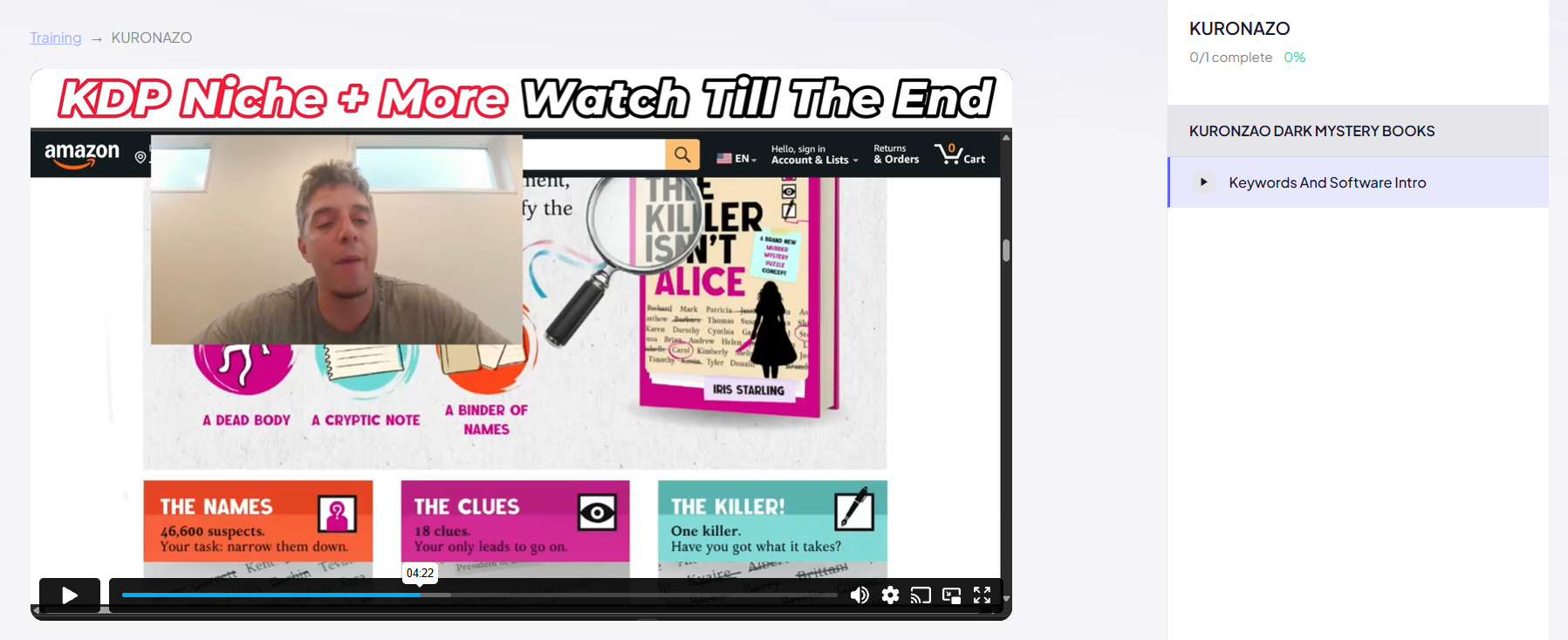
What made them stand out was the approach. Instead of treating puzzles as isolated content, they were built around the idea that:
> narrative-driven puzzle books need structure first, puzzles second.
That shift changes everything.
Because it means you’re no longer forcing generic puzzle pages into a story—you’re building puzzles that belong inside the story from the beginning.
That alone solves one of the biggest problems in this niche.
---
Why This Matters for Independent Publishers
The opportunity here isn’t just about making puzzle books.
It’s about positioning.
The adult puzzle market isn’t shrinking—it’s evolving. Readers have already solved thousands of Sudoku grids and completed endless word searches. What they haven’t experienced is:
solving a cold case
decoding a spy transmission
working through a connected investigation
That’s the gap.
And it’s exactly where mystery puzzle books sit.
Yes, they require a bit more thought to build. But that extra effort is also what keeps the space from becoming overcrowded. Not everyone is willing to design narrative structure and integrated puzzles together—but those who do end up creating something far more memorable than a standard puzzle book.
The demand is already visible in reviews. The interest is already there. The only question is whether creators are ready to move beyond traditional formats and build something that actually feels like an experience.
Because once you do, you’re no longer just publishing puzzle books.
You’re building interactive stories people genuinely want to solve.
About the Creator
Enjoyed the story? Support the Creator.
Subscribe for free to receive all their stories in your feed.
Comments
There are no comments for this story
Be the first to respond and start the conversation.