
Know How to Stay Safe from Ransomware Attacks
Here is a proper explanation on how to stay safe from ransomeware attacks.
Introduction
In today’s digital age, ransomware attacks have become one of the most severe cybersecurity threats affecting businesses and individuals alike. Cybercriminals use ransomware to encrypt valuable data and demand a ransom for its release. Failing to take proactive measures can lead to significant financial and reputational losses. This article will provide a comprehensive guide on how to stay safe from ransomware attacks and protect your digital assets.
Understanding Ransomware
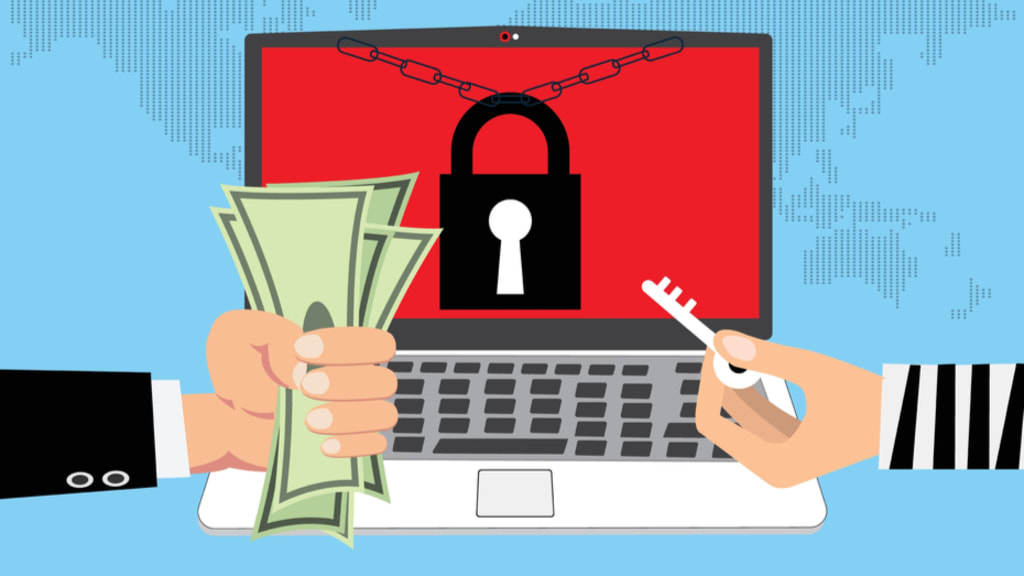
Ransomware is a type of malicious software (malware) designed to block access to a system or encrypt its data until a ransom is paid. It often spreads through phishing emails, malicious attachments, infected websites, or compromised software. Once a system is infected, it can be challenging to recover data without proper security measures.
Types of Ransomware
Crypto Ransomware – Encrypts files and demands a ransom for the decryption key.
Locker Ransomware – Locks users out of their devices, preventing access.
Scareware – Displays fake warnings to trick users into paying for fake security software.
Doxware (Leakware) – Threatens to expose sensitive data if the ransom is not paid.
Ransomware-as-a-Service (RaaS) – Cybercriminals sell or rent ransomware tools to other attackers.
How to Stay Safe from Ransomware Attacks
1. Implement Strong Cyber Hygiene Practices
Use Strong Passwords: Create complex, unique passwords and update them regularly.
Enable Multi-Factor Authentication (MFA): Adds an extra layer of security to prevent unauthorized access.
Be Cautious with Emails: Avoid clicking on links or downloading attachments from unknown senders.
Verify URLs: Ensure website URLs are legitimate before entering sensitive information.
2. Regularly Backup Your Data
Follow the 3-2-1 Backup Rule: Maintain three copies of data on two different media types, with one stored offsite.
Use Cloud Backup Services: Ensure data is backed up automatically to a secure cloud environment.
Test Your Backups: Periodically verify that backups are functional and retrievable.
3. Keep Systems and Software Updated
Enable Automatic Updates: Keep operating systems, applications, and security software up to date.
Patch Vulnerabilities: Apply security patches promptly to mitigate potential exploits.
Uninstall Unnecessary Software: Reduce attack surfaces by removing outdated or unused applications.
4. Deploy Advanced Security Solutions
Use Next-Gen Antivirus and Anti-Ransomware Tools: Leverage AI-driven security tools for real-time threat detection.
Install a Firewall: Protects against unauthorized network access and malicious traffic.
Endpoint Detection and Response (EDR): Monitors system activity for potential ransomware threats.
5. Educate and Train Employees
Security Awareness Training: Conduct regular training on identifying phishing scams and malicious activities.
Simulated Phishing Attacks: Test employee responses to potential threats.
Encourage Reporting: Create a culture where employees report suspicious emails or activities promptly.
6. Restrict User Access and Privileges
Apply Least Privilege Access (LPA): Limit user permissions to only necessary files and systems.
Use Role-Based Access Controls (RBAC): Restrict access based on job functions.
Monitor User Activities: Keep track of login attempts and data access patterns.
7. Use Network Segmentation
Isolate Critical Systems: Separate sensitive data from less secure network zones.
Limit Lateral Movement: Prevent ransomware from spreading across networks.
Implement Zero Trust Architecture: Verify and authenticate every request before granting access.
8. Have an Incident Response Plan
Develop a Response Plan: Outline steps to take in case of a ransomware attack.
Engage Cybersecurity Experts: Partner with professionals to handle incidents effectively.
Perform Regular Drills: Test the response plan to ensure efficiency.
9. Avoid Paying the Ransom
No Guarantee of Data Recovery: Paying the ransom does not ensure decryption.
Encourages Further Attacks: Ransom payments fund cybercriminal activities.
Report to Authorities: Seek assistance from cybersecurity agencies instead of negotiating with attackers.
Conclusion
Ransomware attacks continue to evolve, making cybersecurity a top priority for businesses and individuals. By implementing robust security measures, staying informed, and practicing safe online habits, you can significantly reduce the risk of becoming a victim. Prevention is always better than remediation—invest in cybersecurity today to safeguard your digital future.
About the Creator
Enjoyed the story? Support the Creator.
Subscribe for free to receive all their stories in your feed.
Comments
There are no comments for this story
Be the first to respond and start the conversation.