
Kidney Transplant Q&A: Unveiling the Mysteries of A Life-Saving Procedure
What is a Kidney Transplant?

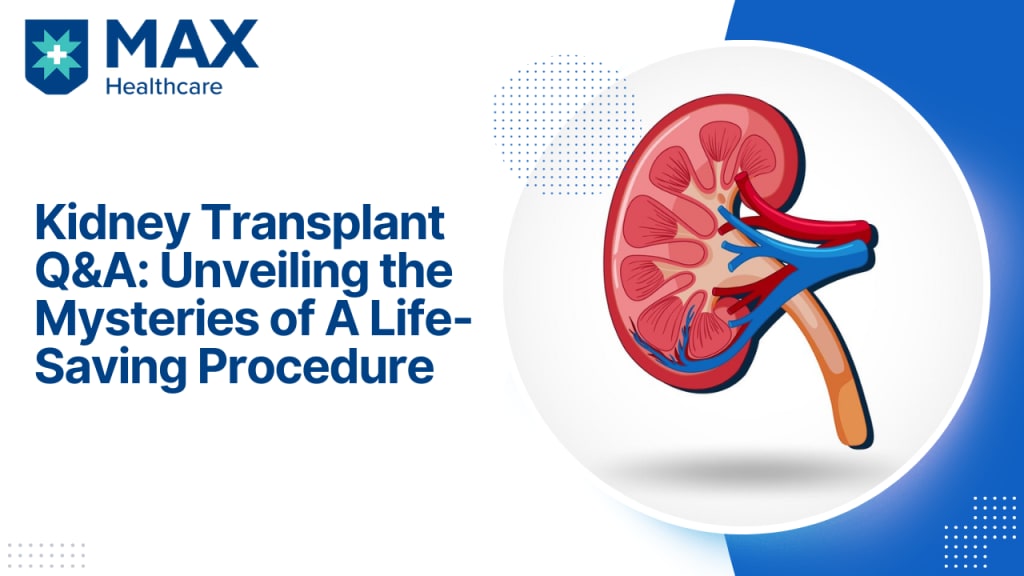
Kidneys are one of the most crucial organs in our body that not only filter waste from the blood but also help maintain the body's overall fluid and electrolyte balance. Kidneys can fall short in their function due to various reasons, necessitating a replacement in a lot of severe cases. A kidney transplant is typically required when the kidney disease has progressed to advanced stages like 3B or above. If you or a loved one is scheduled for one or are just curious about the procedure, look no further. The blog answers the most pertinent questions about kidney transplants.
What is a Kidney Transplant?
A kidney transplant Surgery is a surgical procedure in which a patient with non-functioning kidneys receives a healthy kidney from a donor. The donor’s kidney takes over the job of filtering waste and excess fluids from the blood in the recipient's body. The transplanted kidney can restore normal kidney function, greatly enhancing the recipient's overall health and quality of life. A kidney transplant is pursued as a treatment option when other methods, such as dialysis, are insufficient for maintaining the patient's health.
Why Might Someone Need a Kidney Transplant?
Someone might need a kidney transplant because their kidneys are no longer functioning properly. It could be due to an advanced stage of a condition called chronic kidney disease (CKD), end-stage renal disease (ESRD), or acute kidney injury.
Here's a breakdown of why kidneys fail and why a transplant becomes necessary:
Kidney Function: Healthy kidneys act as filters, removing waste products and excess fluid from the blood. They also regulate blood pressure, produce red blood cells, and maintain electrolyte balance.
Kidney Failure: When kidneys lose their filtering ability, waste products build up in the blood, leading to various health problems. This is kidney failure.
Dialysis: In kidney failure, dialysis becomes necessary. Dialysis is a process that removes waste products from the blood artificially, either through a machine or via abdominal filtering (peritoneal dialysis).
Transplant vs. Dialysis: While dialysis can sustain life, it requires frequent treatments and comes with limitations on diet and lifestyle. A kidney transplant offers a more permanent solution by replacing a diseased kidney with a healthy one from a donor.
Are There Different Types of Kidney Transplant?
Yes, there are two main types of kidney transplants based on the source of the donor kidney:
Living Donor Transplant: It involves receiving a healthy kidney from a living person, either someone the patient knows (directed donation) or an anonymous, altruistic donor. Living donor transplants offer some advantages, including potentially shorter waiting times and better initial kidney function.
Deceased Donor Transplant: It involves receiving a kidney from a deceased donor whose organs were donated. The waiting time for a deceased donor kidney can vary depending on factors like blood type and location.
How Does One Get On a Transplant List?
Getting on a kidney transplant waiting list involves a few important aspects:
Referral: It all starts with a referral from a doctor. They can assess a patient's condition and determine if a transplant is the best course of action.
Evaluation: Once referred, a transplant centre will schedule a comprehensive evaluation. This will involve tests, scans, and consultations with various specialists on the transplant team (surgeon, nephrologist, social worker, etc.). They'll assess a patient's overall health to ensure they can handle the surgery and medications needed post-transplant.
Blood Type and Matching: During the evaluation, the patient's blood type is also considered. It is crucial for matching a patient with a compatible donor kidney.
Living Donor vs. Deceased Donor: Doctors discuss options for a donor kidney. There are two main possibilities. If a living donor isn't available, the patient is placed on the national transplant waiting list for a kidney from a deceased donor. Matching factors like blood type, body size, and medical history will determine how long a patient has to wait. Some transplant centres allow patients to be on the waiting list for both living and deceased donors (multi-listing) to increase their chances of receiving a kidney sooner. In addition to waiting for a deceased donor kidney, patients can explore the possibility of receiving a kidney from a living donor, which can significantly reduce waiting time.
Follow-up: Doctors keep the patient updated on the process and contact them when a compatible kidney becomes available.
What Happens During a Kidney Transplant Surgery?
A kidney transplant surgery typically involves the following steps:
Preparation: Patients receive general anaesthesia and are prepped for surgery.
Recipient Surgery: The surgeon makes a small incision in the patient’s lower abdomen and creates space for the new kidney.
Donor Kidney Placement: The new kidney is carefully placed in the patient’s lower abdomen and connected to their blood vessels and urinary system.
Closure and Recovery: The surgeon closes the incision and monitors the patients closely in the recovery room. Patients are required to stay in the hospital for several days before going home.
What are the Long-Term Health Considerations After a Transplant?
After a transplant, patients need to take lifelong medication to prevent their bodies from rejecting the new kidney (anti-rejection drugs). The medication can have side effects that require regular monitoring by the transplant team.
Here are some other long-term considerations:
Regular Checkups: Frequent checkups with the transplant team are crucial to monitor the patient’s kidney function and adjust medications as needed.
Healthy Lifestyle: Following a healthy diet, regular exercise, and good sleep habits are essential for overall health and kidney function.
Infection Prevention: Patients will be more susceptible to infections due to the anti-rejection medications. Careful hygiene and avoiding sick people are important.
Cancer Risk: A signniifcant risk of kidney transplant is that anti-rejection drugs may slightly increase the risk of certain cancers. Regular screenings are recommended.
What is the Success Rate of Kidney Transplants?
Kidney transplants are considered a safe and effective procedure. The one-year survival rate for a kidney from a living donor is around 90%, while it's around 80% for a deceased donor kidney. These rates decrease slightly over time, but overall the benefits of a successful kidney transplant are favourable.
How Long Does a Transplanted Kidney Last?
The lifespan of a transplanted kidney can vary depending on several factors, including:
Donor type: Kidneys from living donors generally last longer than those from deceased donors (average 15-20 years vs. 8-12 years).
Age and health: The overall health of the recipient and the condition of the donor’s kidney play a role.
Medication adherence: Taking anti-rejection medications as prescribed is crucial for long-term success.
Despite these variations, kidney transplants offer a significant improvement in the quality of life for patients with chronic kidney disease.
Conclusion
Hopefully, we’ve answered some of the most common questions about kidney transplants. Kidney transplants offer a chance at a healthier life for those with failing kidneys. This blog has equipped you with the knowledge of why transplants are needed, how to get listed, and what to expect after surgery. Remember, help is available, so explore resources, connect with communities, and talk to a reputable nephrologist to navigate this empowering journey.
Disclaimer:
This article has been written for information purposes only, and is not a substitute for professional medical advice by a qualified doctor or other health care professional. The author is not responsible or liable, directly or indirectly, for any form of damages whatsoever resulting from the use (or misuse) of information contained in or implied by the information in this article. Always consult a qualified healthcare provider for accurate diagnosis, personalised treatment, and recommendations tailored to your individual health needs.
About the Creator
Enjoyed the story? Support the Creator.
Subscribe for free to receive all their stories in your feed.
Comments
There are no comments for this story
Be the first to respond and start the conversation.