
Is the War Over? – An Explanation of a Paradox
From Battlefields to Peaceful Horizons: The Surprising Decline of War
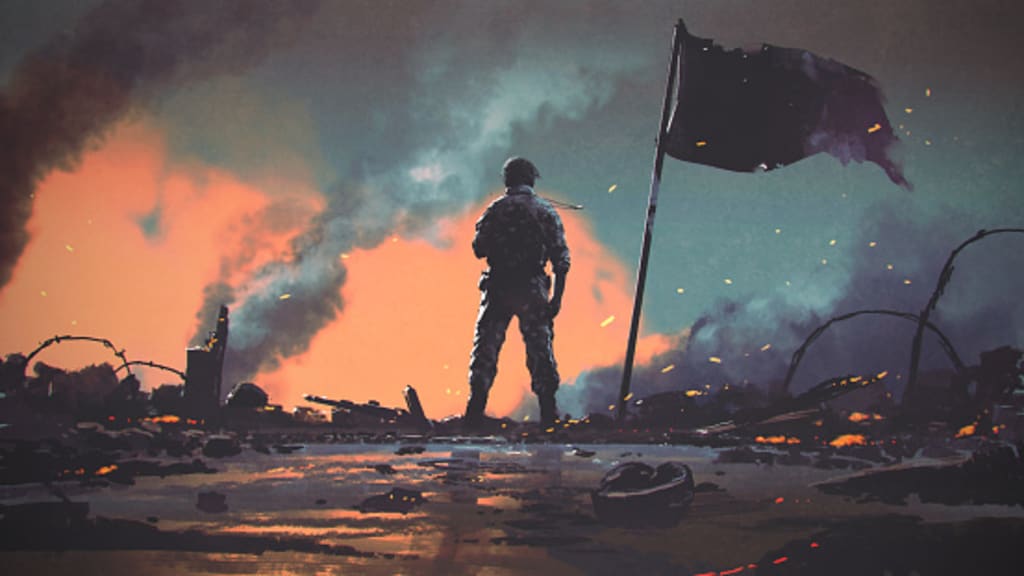
In a world that often appears riddled with violence and conflict, a surprising narrative is emerging—one that defies the gloom and celebrates the dawn of a more peaceful era. If we peel back the layers of headlines and dig into the numbers, a remarkable truth comes to light: the prevalence of war is waning, even as our global population reaches unprecedented heights. How is this possible, you ask? Let's embark on a journey through history, examining the complex factors that have led us to what some call the most peaceful period in human history.
Beyond the Headlines: A Deeper Look at Conflict
As recently as September 2014, the world witnessed four conflicts resulting in at least 10,000 deaths since the onset of 2013. Tragic statistics indeed. Yet, take a step back. Among these conflicts, a pivotal shift is evident—none of them involve war between nations. Instead, they are predominantly civil wars or localized disputes. While the suffering inflicted by civil wars is immeasurable, they often result in a smaller scale of impact compared to wars between nations or empires.
A World in Transition: The Legacy of Colonialism and the Cold War
The transition from large-scale wars between nations to localized conflicts and civil wars is not coincidental. Historical forces have shaped this transformation, and two significant drivers stand out: the decline of colonialism and the end of the Cold War. With the conclusion of the Cold War, a major catalyst for armed conflicts dissolved. However, the aftermath of communism's fall gave rise to a new wave of tensions and conflicts, often erupting in the newly liberated states.
The roots of this transformation delve deeper into history. In 1945, vast territories across Africa, Asia, and parts of Latin America were ensnared in the clutches of colonial rule. By 1990, the majority of these regions had achieved independence. The transition from colonization to independence, though far from perfect, marked a significant shift in global power dynamics.
Colonialism vs. Vulture Capitalism: Unveiling the Truth
In the midst of comparisons between modern multinational corporations and colonialism, history's pages hold a stark contrast. Take the case of the Congo, a region established as a colony by Belgium's king in 1885. A reign marked by violence, ruthless exploitation, and economic oppression led to the death, mutilation, and trauma of millions of Congolese. Colonial rule continued until 1960, a mere two generations ago. While concerns remain about vulture capitalism, its reach pales in comparison to the horrors of colonial rule.
The Promising Trends: Democracy, Globalization, and New Norms
The trajectory toward peace is propelled by four major factors:
1. Democratisation: The transition from autocracy to democracy plays a pivotal role. Democracies seldom engage in wars with one another, leading to a decrease in interstate conflicts.
2. Globalisation: In an interconnected world, economic goals are best achieved through trade rather than force. The value of international relationships outweighs the allure of violence.
3. Evolving Perspectives on War: The shift in societal perceptions towards war is remarkable. Aggression is now deemed illegal, and the world has rallied behind the principle that armed forces are justified only in self-defense or under the authority of the UN Security Council. The establishment of an international court for war crimes in The Hague further solidifies these norms.
4. Fixed Borders and International Cooperation: The acceptance of international borders and the pledge to respect nations' autonomy have curbed territorial wars post-World War II.
A Beacon of Hope Amidst Uncertainty
While the current trend is heartening, skepticism prevails. We need a larger sample size to confidently proclaim that war is receding. The historical average of one or two major wars per century remains in the backdrop. Yet, there is a beacon of hope on the horizon. If the next 75 years remain devoid of major conflicts, humanity's transformation towards lasting peace becomes a reality.
In conclusion, the world is a paradox—a tapestry of both conflict and progress. Amidst ongoing conflicts in various corners of the globe, the bigger picture unveils a gradual shift towards peace. The decline in large-scale interstate wars, the rise of democracy, and the evolution of global norms stand as testament to human advancement. The road to lasting peace may be winding, but the journey has begun. By advocating for peace, democracy, and international cooperation, we have the power to amplify this transformation. Amidst the cacophony of headlines, let us not forget the symphony of progress playing softly in the background.
About the Creator
Enjoyed the story? Support the Creator.
Subscribe for free to receive all their stories in your feed.
Comments
There are no comments for this story
Be the first to respond and start the conversation.