
Is It Possible to Learn Data Science Without Coding Experience?
Unlocking Data Science: No Coding Required
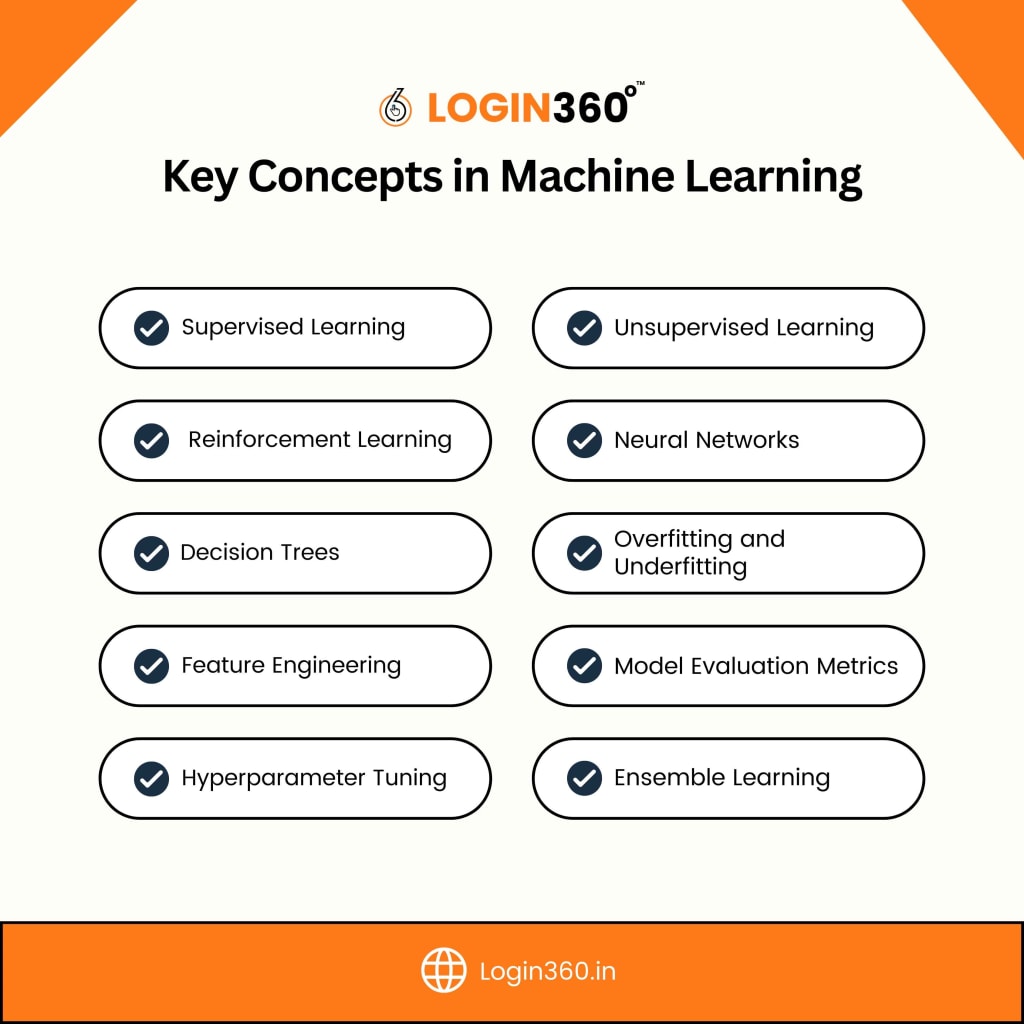
Data science is becoming a popular career choice. Many people want to learn it but worry if they can succeed without knowing how to code. The good news is that you can start learning data science without coding experience. Although coding is helpful, it is not necessary in the beginning. In this post, we’ll explain how you can get started with data science, even if you’ve never written a single line of code.
What Does Data Science Involve?
To understand if coding is necessary, let’s first look at what data science is all about. Data science includes:
Data Analysis: Studying data to find trends and patterns.
Data Visualization: Showing data in charts, graphs, or dashboards.
Machine Learning: Teaching computers to make predictions using data.
Big Data Management: Working with large amounts of data.
While coding helps with some of these tasks, there are plenty of ways to start your data science journey without writing code.
Can You Learn Data Science Without Coding?
Yes, you can! Here are some ways to dive into data science without any coding knowledge:
1. Use No-Code or Low-Code Tools
Several tools let you analyze data, create visualizations, and build reports without needing to write code. Some of the most popular tools include:
Microsoft Excel: Great for managing data and doing basic analysis.
Tableau: A simple tool for making charts and dashboards.
Google Data Studio: Create visual reports with just a few clicks.
Orange: A drag-and-drop tool for machine learning projects.
These tools are beginner-friendly and allow you to practice data science concepts without the need to learn programming right away.
2. Learn the Basics of Statistics and Data Science Concepts
Coding is just one part of data science. It’s also important to understand the concepts behind it. Some topics you should learn include:
Basic Statistics: Mean, median, probability, and distributions.
Data Cleaning: How to fix or remove incorrect data.
Data Visualization: Presenting data in easy-to-understand ways.
Machine Learning: Learning about basic models, such as linear regression.
Many websites, like Coursera, Udemy, or Khan Academy, offer beginner courses in these areas. These courses will help you build a strong foundation before you dive into coding.
3. Take Courses Made for Beginners
Some online courses are designed specifically for people without any coding experience. A few good options include:
IBM Data Science Professional Certificate (Coursera): Teaches data science step-by-step with little coding.
Google Data Analytics Certificate (Coursera): Focuses on data analysis with spreadsheets and SQL.
DataCamp: Offers interactive lessons that explain data science in an easy way.
These courses slowly introduce coding when you’re ready, making the process smoother and less stressful.
Why Learning Coding Later Is Useful
While you can begin without coding, learning it eventually will help you do more advanced tasks. Here are a few reasons why coding is helpful:
Automation: You can write code to automate boring or repetitive tasks.
Handle Bigger Data: Tools like Python and R are great for working with large datasets.
Customization: Coding lets you build your own models and visualizations instead of relying on built-in options.
The good news is that Python—one of the main programming languages used in data science—is beginner-friendly and easier to learn than many other languages.
How to Start Learning Coding (When You’re Ready)
When you feel comfortable with data science basics, you can begin learning how to code step-by-step. Here’s how:
Learn Python Basics: Focus on simple concepts like loops and data types.
Use Data Science Libraries: Learn libraries like Pandas, NumPy, and Matplotlib, which make coding easier.
Work on Small Projects: Use public datasets from Kaggle to practice.
Try Interactive Platforms: Websites like Codecademy and DataCamp teach coding in bite-sized lessons.
Starting small makes learning to code less scary. Plus, it will be exciting when you see how coding can make data science projects more powerful.
Real-Life Examples of Non-Coders Becoming Data Scientists
You don’t need to be a programmer to succeed in data science. Many people from different careers have successfully made the switch. For example:
Finance Experts: Use Excel and Tableau to analyze business data and slowly learn Python.
Marketing Professionals: Create reports in Google Data Studio and later learn SQL to manage databases.
Healthcare Workers: Use patient data for analysis and later develop predictive models through coding.
These examples show that coding isn’t a barrier. Many people first focus on data science concepts and tools, then gradually pick up coding skills along the way.
Tips for Learning Data Science Without Coding
Here are a few helpful tips if you want to start data science without coding:
Use Beginner-Friendly Tools: Get comfortable with tools like Excel or Tableau first.
Study Data Science Basics: Focus on understanding statistics and data visualization.
Practice with Real Data: Download public datasets and explore them.
Join Data Communities: Get tips and advice from online groups like Kaggle or LinkedIn.
Taking things step-by-step will help you feel more confident as you build your skills.
Conclusion
Yes, it is absolutely possible to learn data science without coding experience. Many tools and courses allow you to get started without writing code. However, learning to code will open up more opportunities and help you work on more advanced projects in the future.
Start small by using no-code tools, understanding key concepts, and building your confidence. When you’re ready, learning to code will feel less overwhelming. With dedication and the right resources, anyone can become skilled in data science—no matter their starting point.
#Data Science course in Coimbatore
About the Creator
Enjoyed the story? Support the Creator.
Subscribe for free to receive all their stories in your feed.
Comments
There are no comments for this story
Be the first to respond and start the conversation.