
Is Consecutive Interpretation Losing Relevance in the Age of Technology?
The Rise of AI and Its Impact on Human Interpretation

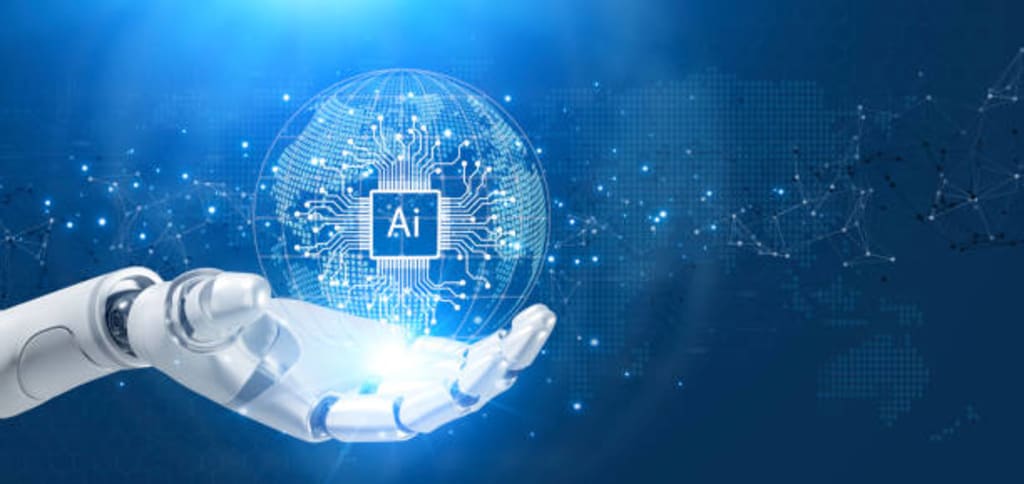
Language barriers are dissolving more quickly than ever before in the tech-heavy, fast-paced world of today. It's reasonable to ponder if classical consecutive interpretation is going extinct given the proliferation of AI-powered translation tools and real-time interpretation applications.
What is consecutive interpretation anyway?
First things first—let’s get on the same page.
Consecutive interpretation is when an interpreter listens to a speaker, takes notes (sometimes), and then translates what was said after the speaker pauses. It’s often used in:
- Business meetings
- Legal proceedings
- Medical consultations
- Diplomatic settings
- Press conferences
Unlike simultaneous interpretation (those headset-wearing pros at the UN), consecutive interpreters work step-by-step, which can be slower but is often seen as more accurate in sensitive conversations.
Technology is Changing the Game—Big Time
Okay, so we know what consecutive interpretation is. But here’s the twist—technology is making some serious waves:
1. AI-Powered Translation Tools
Platforms like Google Translate, Microsoft Translator, and iTranslate can now handle real-time speech translation. You can speak into your phone, and boom—it spits out the translation almost instantly.
2. Speech-to-Text Software
Ever tried Otter or Rev? They transcribe what you say in real-time. Combine that with AI translation, and you’ve got a near-instant interpreter in your pocket.
3. Interpretation Apps
Tools like SayHi and Papago let you have back-and-forth conversations with someone speaking a completely different language—all through your smartphone.
4. Remote Interpreting Platforms
Services like Interprefy and KUDO offer remote simultaneous interpretation (RSI), allowing businesses to connect with interpreters online. It’s faster, cheaper, and can sometimes make consecutive interpretation feel… well, slow.
Why People Think Consecutive Interpretation Might Be Dying
Let’s be real—when you see a free app translating conversations in real-time, it’s easy to think:
"Why would anyone pay for a human interpreter anymore?"
Fair question. Here’s what’s driving that thought:
1. Speed is King
Tech tools deliver near-instant results, while consecutive interpretation, by nature, takes time. In a fast-paced business world, that time gap can feel like an eternity.
2. Cost-Effectiveness
Hiring a professional interpreter can get pricey—especially for small businesses. Free or low-cost apps? Pretty tempting.
3. Accessibility
AI translation is available 24/7 with a tap on your smartphone. Human interpreters? You’ve got to schedule, budget, and sometimes even fly them in.
But Hold Up—Consecutive Interpreters Still Matter (A Lot)
Before we declare tech the winner, let’s pump the brakes. Technology is amazing, but human interpreters bring something to the table that machines just can’t match:
1. Accuracy in Complex Settings
Legal hearings, medical consultations, or sensitive diplomatic talks? You can’t afford mistakes. AI can misinterpret nuances, slang, or cultural context—errors that could lead to lawsuits, health issues, or diplomatic tensions.
2. Human Emotion and Cultural Sensitivity
Ever noticed how tone, body language, or slight pauses can change a message? Machines miss these human cues. Interpreters don’t just translate words—they interpret meaning.
3. Handling the Unexpected
What if someone uses humour, sarcasm, or gets emotional? Machines often fail miserably in those situations. Humans can read the room and adapt.
4. Trust and Confidentiality
Would you discuss a sensitive business deal or a life-changing medical condition in a random app? Probably not. Professional interpreters adhere to strict codes of confidentiality.
Real Talk: Where Does Technology Outshine Human Interpreters?
Let’s call it like it is—there are areas where tech has the upper hand:
Casual conversations: Chatting with a tourist in Spain? Apps are perfect.
Travel: Need directions or ordering food abroad? Your phone’s got you covered.
Basic business needs: Simple product demos or initial client talks? AI tools often work fine.
But for high-stakes, high-context settings, the human touch still reigns supreme.

Here’s where things get exciting: the future isn’t humans vs. machines. It’s humans + machines.
- Many professional interpreters are already using tech to boost their work:
- AI-assisted note-taking tools during consecutive interpretation.
- Speech recognition software to reduce workload.
- Remote interpreting platforms to reach global clients without travelling.
- It’s not about replacing interpreters—it’s about empowering them.
- What This Means for Interpreters (and Businesses)
So, if you’re an interpreter feeling the heat from tech, or a business wondering where to invest, here’s the deal:
For Interpreters:
- Adapt and Upskill: Learn how to work with AI tools instead of fearing them.
- Emphasise Specialisation: Legal, medical, and diplomatic interpretation will always need human experts.
- Offer Hybrid Services: Combine your human skills with tech solutions to serve clients better.
For Businesses:
- Match the Tool to the Task:
- Casual conversations? Use apps.
- Serious negotiations or legal matters? Call a professional interpreter.
- Consider Hybrid Solutions: Human interpreters supported by tech give you the best results.
Final Takeaway: Is Consecutive Interpretation Losing Relevance?
Nope—not entirely.
Tech is shaking things up, sure. But human interpreters aren’t going extinct anytime soon. They’re evolving, partnering with technology to offer better, faster, and more reliable language solutions.
Think of it this way: AI is the calculator—interpreters are the mathematicians. You need both, depending on the problem you’re solving.
Final Thoughts: The Road Ahead for Consecutive Interpretation
So, is consecutive interpretation losing relevance in this digital-first world? Not exactly. It’s changing—but it’s far from obsolete.
If anything, the demand for high-quality interpretation is growing, thanks to globalisation and increasingly diverse work environments. Businesses are expanding across borders faster than ever, and people from different cultures are collaborating daily. That’s not slowing down anytime soon.
But here’s the kicker—technology is reshaping how we think about interpretation, not replacing it.
Human Expertise + Smart Tech = The Future
The smartest approach going forward isn’t choosing humans or technology; it’s understanding when to use each—or even better, when to use both together.
For casual travel or quick, informal chats: Translation apps and AI-powered tools get the job done fast.
For business negotiations, legal matters, or healthcare settings: Human interpreters ensure you don’t lose critical meaning—because let’s be honest, no one wants a machine messing up a million-dollar deal or a life-saving diagnosis.
For hybrid needs: Combining human expertise with AI-assisted tools offers the best of both worlds—speed, efficiency, and accuracy.
Adapting is Key for Interpreters
If you’re a professional interpreter, embracing this tech shift is no longer optional—it’s essential. The interpreters thriving today are those who see technology as a tool, not a threat.
- Learning AI-assisted note-taking software.
- Using speech recognition to enhance speed.
- Offering remote interpretation through platforms like Zoom or KUDO.
This hybrid approach is opening new doors for interpreters, allowing them to work globally without being physically present, cutting costs for clients, and making interpretation services accessible to smaller businesses.
Businesses Must Value Precision, Not Just Speed
If you’re a business, don’t fall into the “free app trap” for everything. Sure, apps are great for quick, low-stakes situations. But when the conversation really matters—be it closing a deal, ensuring patient safety, or navigating legal systems—you need a human professional.
Think of it like this:
Would you trust an app to negotiate a merger?
Would you rely on a machine to explain a complex medical diagnosis to your loved one?
Exactly. Some situations demand human understanding and cultural sensitivity—skills that machines simply can’t master (at least not yet).
A Balanced Future
Rather than asking, “Is consecutive interpretation dying?”, the real question is: How can we use technology to make interpretation even better?
The future of interpretation is collaborative—where human expertise is supported, not replaced, by technology. That’s the future smart interpreters and forward-thinking businesses are already embracing.
So, next time you find yourself needing interpretation services, pause and think:
- Is this a “good enough” situation where AI can handle it?
- Or is this a “no room for error” situation that requires human expertise?
FAQs
1. Is AI better than human interpreters?
Not for complex, sensitive conversations. AI is great for casual or simple chats but can’t match human accuracy in high-stakes settings.
2. Will interpreters lose their jobs to technology?
Unlikely. Their roles are evolving. Interpreters who embrace technology will likely thrive more than ever.
3. What industries still need human interpreters the most?
Legal, medical, diplomatic, and high-level business negotiations.
4. Should businesses invest in AI tools or human interpreters?
Both. Use AI tools for everyday needs and human interpreters for critical interactions.
About the Creator
WelcomeTranslationExperts
Welcome Translation Experts has over a decade of experience within the Translation and Interpreting sector. Having specialised in legal translation services.
Enjoyed the story? Support the Creator.
Subscribe for free to receive all their stories in your feed.
Comments
There are no comments for this story
Be the first to respond and start the conversation.