
IoT and Sensor Networks in Smart Cities
Harnessing IoT and Sensor Networks: The Backbone of Smart City Innovation
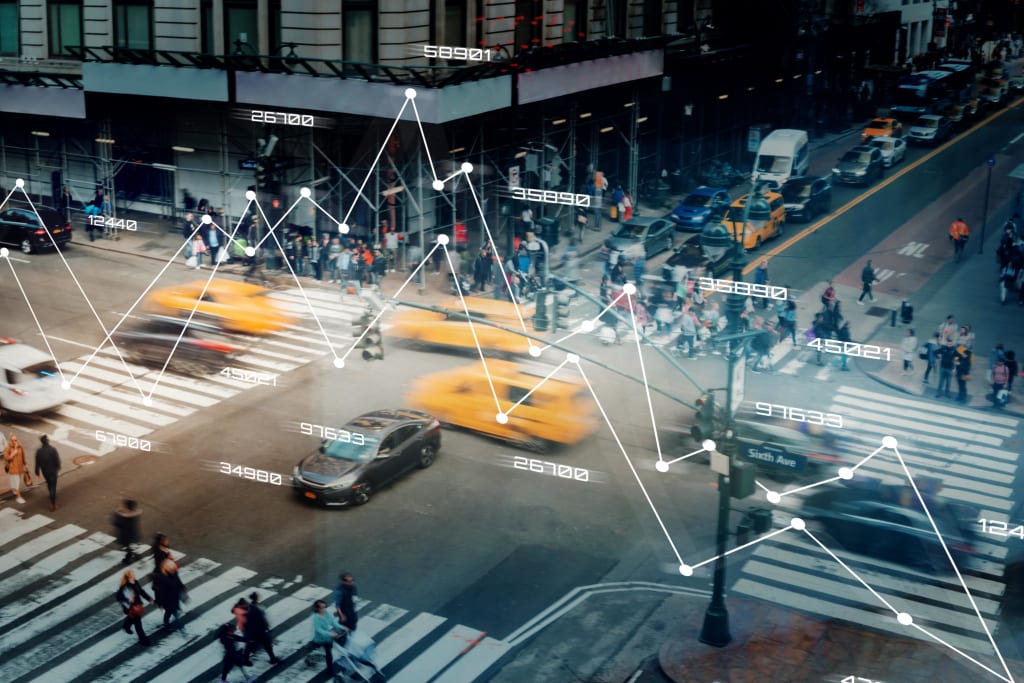
The concept of smart cities is rapidly transforming urban living, bringing together technology, data, and innovation to improve the quality of life. At the heart of this transformation are Internet of Things (IoT) devices and sensor networks, which collect real-time data and enable cities to make better, more informed decisions. These technologies enhance traffic management and waste collection for public safety and environmental monitoring.
But what exactly are IoT and sensor networks, and how are they driving the evolution of smart cities?
Understanding IoT and Sensor Networks
The Internet of Things (IoT) refers to the network of physical devices embedded with sensors, software, and other technologies that allow them to connect and exchange data. These devices range from everyday objects like smart traffic lights and connected streetlights to complex systems like environmental monitoring stations and smart meters.
On the other hand, sensor networks are groups of sensors that work together to collect, transmit, and analyze data from a specific area. These networks are often combined with IoT devices to monitor environmental factors, track traffic patterns, or measure energy consumption in real time.
IoT and sensor networks allow cities to monitor and control various urban systems from a centralized platform, making urban management more efficient and responsive.
Key Applications of IoT and Sensor Networks in Smart Cities
Smart Traffic Management One of the most visible and impactful uses of IoT and sensor networks is traffic management. Cities worldwide are deploying smart traffic lights, connected sensors, and vehicle detection systems to monitor traffic flow and reduce congestion. These devices can communicate with each other to adjust traffic signals in real-time, optimizing traffic flow based on the volume of vehicles and pedestrian activity.
In Barcelona, for example, the city has installed street sensors to track traffic congestion. These sensors send data to the city's central traffic management system, allowing for dynamic adjustments to traffic signal timings, thereby improving traffic flow and reducing delays.
Smart Waste Management Waste management is another critical area where IoT and sensor networks are making a significant impact. Traditional waste management systems rely on fixed schedules for garbage collection, which can lead to inefficiencies - either trucks arrive too early or too late, and bins may overflow or remain half-empty.
By equipping waste bins with smart sensors, cities can monitor fill levels in real time. This allows for optimized waste collection routes and schedules, reducing fuel consumption and operational costs. Songdo, South Korea, is a leading example of using IoT sensors embedded in waste bins to track waste levels and direct vehicle collection accordingly.
Environmental Monitoring Environmental monitoring has become a top priority in smart cities, especially with growing concerns about air quality and climate change. IoT sensors can be installed throughout a city to measure air pollution, water quality, and noise levels, providing real-time data on environmental conditions.
London has deployed a network of air quality sensors that collect data on pollutants like nitrogen dioxide (NO2) and particulate matter (PM2.5). This data is available to the public, allowing residents to make informed decisions about outdoor activities while helping local authorities monitor trends and take action when necessary.
Smart Energy Management Energy consumption is one of the largest contributors to a city's carbon footprint. IoT and sensor networks are helping cities become more energy-efficient by enabling smart grids and energy monitoring systems. These systems use sensors to track energy use at the individual building level and across the city, allowing for better resource management.
Amsterdam is an excellent example of a city using IoT for energy management. The city's smart grid system connects homes, buildings, and energy sources to a central platform. This system helps optimize energy distribution and consumption, reducing waste and ensuring that renewable energy is used efficiently.
Public Safety and Emergency Response Public safety is another area where IoT and sensor networks are invaluable. Connected cameras, motion detectors, and other sensors can be used to monitor public spaces for signs of criminal activity or emergencies. In the event of an incident, data collected by these devices can be analyzed in real time, allowing authorities to respond more quickly and effectively.
In New York City, implementing smart surveillance systems has helped reduce crime rates. The city's network of cameras and sensors provides law enforcement with real-time footage and data, enabling them to respond swiftly to potential threats. Additionally, these systems can detect irregularities, such as unusual movements or patterns, which can trigger automatic alerts.
Benefits of IoT and Sensor Networks in Smart Cities
The integration of IoT and sensor networks into urban infrastructure offers a wide range of benefits, both for cities and their residents:
Efficiency and Cost Savings: Using real-time data to optimize processes, cities can reduce waste, improve resource allocation, and cut operational costs. Whether traffic management or waste collection, IoT and sensor networks enable smarter decision-making that saves cost.
Improved Quality of Life: The most significant benefit of smart cities is improving residents' quality of life. IoT systems can provide safer streets, cleaner environments, and more efficient public services. For example, real-time traffic monitoring can reduce congestion, while air quality sensors ensure that residents know about pollution levels and can take precautions.
Sustainability: IoT and sensor networks help cities move toward more sustainable practices. Whether through energy-efficient building systems or better waste management, these technologies enable cities to reduce their environmental impact.
Data-Driven Decision Making: With IoT sensors collecting vast amounts of data, city leaders can make informed, data-driven decisions. This leads to more effective governance, as policies can be shaped based on real-time insights into the functioning city.
Real-Life Case Studies
Singapore: Singapore is often cited as a leader in using IoT for smart city initiatives. The city-state has implemented a Smart Nation program that uses IoT sensors for everything from monitoring traffic to managing waste. Singapore's Smart Traffic System uses sensors to track congestion and adjust traffic lights accordingly, reducing travel times and fuel consumption.
Tokyo: IoT-enabled smart meters are used in homes and buildings to monitor energy consumption in Tokyo. The data collected helps residents make more informed decisions about their energy use, leading to lower energy bills and a reduced carbon footprint.
San Diego: San Diego has implemented a comprehensive IoT-based smart lighting system that uses sensors to adjust the brightness of streetlights based on real-time conditions, such as pedestrian and vehicle activity. This system has reduced energy consumption and improved public safety by ensuring better-lit streets.
Challenges and Future Outlook
While the benefits of IoT and sensor networks in smart cities are clear, there are challenges to overcome. Privacy concerns, cybersecurity risks, and the need for robust infrastructure are just a few hurdles cities face when implementing IoT solutions.
However, as technology advances and cities continue to invest in smart infrastructure, the future of IoT and sensor networks in urban environments looks promising. With the right balance of innovation, security, and citizen engagement, smart cities powered by IoT will undoubtedly shape the cities of tomorrow.
Conclusion
IoT and sensor networks are transforming the way cities operate, making them more efficient, sustainable, and responsive to the needs of their residents. By harnessing the power of real-time data, cities can optimize everything from traffic management to waste collection, improving quality of life and reducing environmental impacts. As these technologies continue to evolve, smart cities will become increasingly connected, intelligent, and capable of tackling future challenges.
About the Creator
Intellve
This page is all about using smart technology to keep places safe and secure! We work with video surveillance software and ICCCs (Integrated Command & Control Centers) to help watch over buildings, cities, and businesses.
Enjoyed the story? Support the Creator.
Subscribe for free to receive all their stories in your feed.
Comments
There are no comments for this story
Be the first to respond and start the conversation.