
Invisalign Patient Experiences: The Good, the Bad, and What to Expect
Invisalign has become one of the most sought-after orthodontic treatments in recent years.
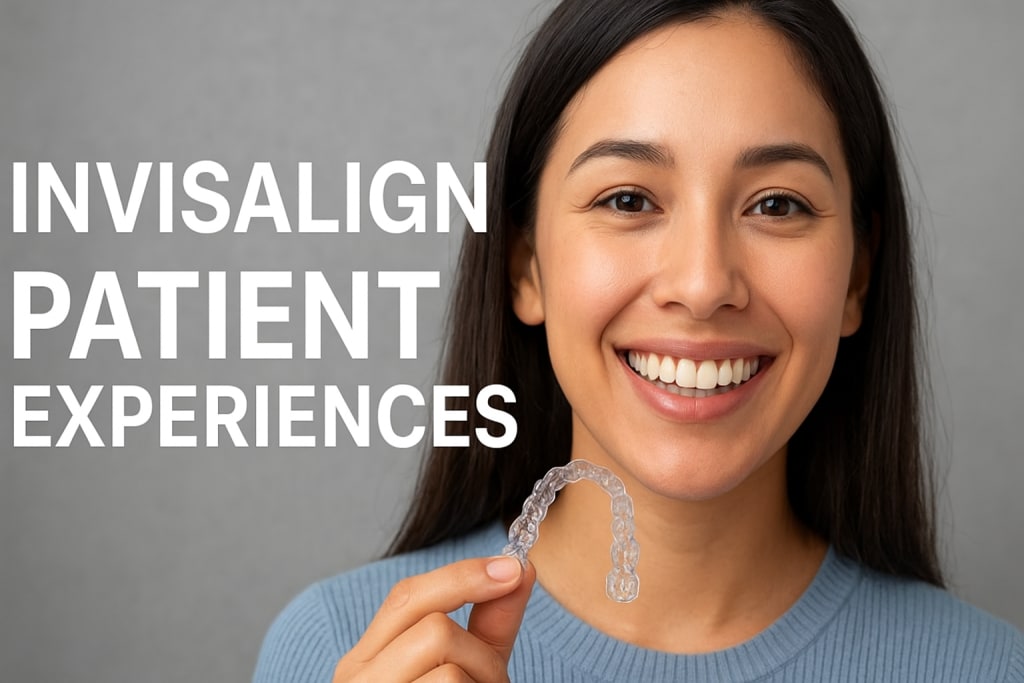
Invisalign has become one of the most sought-after orthodontic treatments in recent years. With over 15 million patients treated worldwide, it’s easy to see why these nearly invisible aligners are changing the way people think about straightening their teeth. But what’s it really like to wear Invisalign day to day?
While marketing often focuses on the clear, comfortable benefits, the real story lies in patient experiences. Some patients love the freedom Invisalign offers, while others find the process more demanding than expected. To give you the full picture, let’s explore both the advantages and challenges patients talk about most often.
The Benefits Patients Love
1. Discreet and Professional Look
The number one reason patients choose Invisalign is its subtle appearance. Unlike braces, Invisalign trays are made from clear plastic that’s almost invisible on the teeth. Many adults say they felt more confident wearing aligners at work, in meetings, or even at weddings because nobody could tell. Teenagers also appreciate avoiding the “metal mouth” look of traditional braces.
“No one noticed unless I told them. That was the best part for me,” one patient shared.
This discreet quality often makes Invisalign feel less like “orthodontics” and more like a lifestyle upgrade.
2. Comfort Compared to Braces
Another consistent theme among patients is comfort. The aligners are smooth and custom-fitted, which means they don’t poke or scrape the inside of your cheeks like wires and brackets often do. While patients sometimes feel mild pressure when switching to a new tray, most describe it as manageable—more of a “tightness” than pain.
Many patients report they adjusted to wearing aligners within a week. For people who feared the discomfort of braces, this comes as a pleasant surprise.
3. Freedom With Food and Oral Care
One of the biggest wins for patients is the ability to eat whatever they want. Because aligners are removable, there are no restrictions like you’d have with braces (where popcorn, gum, or crunchy snacks are usually off-limits).
Patients also say brushing and flossing feels normal since you don’t have to navigate around wires. This makes maintaining oral hygiene much easier, reducing the risk of cavities and staining during treatment.
4. Predictable, Tech-Driven Results
Invisalign uses advanced 3D imaging and AI technology to map out your entire treatment before you even start. Patients often enjoy seeing a preview of their “after” smile at the first consultation. This digital planning also means fewer surprises along the way.
For many, this transparency builds excitement and motivates them to stick with the plan.
The Challenges Patients Mention
1. Discipline and Compliance
Wearing aligners 20–22 hours per day is a non-negotiable part of Invisalign. While it sounds simple, many patients admit it’s harder than expected. Every meal, snack, or cup of coffee means removing the aligners, brushing your teeth, and putting them back in.
Busy professionals and teens sometimes find this routine disruptive. Skipping wear time can delay treatment or compromise results. Patients who succeed often say they made Invisalign part of their daily routine—carrying a toothbrush everywhere and setting reminders on their phone.
2. Attachments and Visibility
Many patients are surprised to learn that Invisalign often requires attachments—tiny, tooth-colored bumps bonded to your teeth that help guide movement. While they’re much less noticeable than braces, they do make aligners slightly more visible. Some patients also report they can stain if not cleaned well.
Still, most agree that attachments are worth it, since they make treatment more effective. Think of them as a small compromise for a straighter smile.
3. Speech Adjustments
Some patients notice a slight lisp during the first few days of wearing aligners. This is usually temporary as the tongue adjusts, but it can be frustrating in the beginning—especially for those in professions that require frequent speaking. Practice and time generally solve this issue.
4. Cost and Accessibility
Price remains one of the top concerns patients bring up. Invisalign can range from $3,500 to $10,000, depending on the complexity of the case and your location. For families with multiple children in treatment, this can add up quickly.
Many patients turn to financing options, dental insurance (which may cover part of the cost), or flexible spending accounts to make Invisalign more affordable. While most say the results are worth it, cost can be a barrier for some.
5. Unexpected Side Effects
While not common, some patients share experiences of temporary gum soreness, jaw tension, or bite changes after treatment. Others mention that enamel can feel rough after attachments are removed. These issues are usually manageable with professional care, but they remind us that Invisalign isn’t a one-size-fits-all experience.
Real-Life Patient Stories
The Busy Professional – One patient explained that Invisalign fit perfectly into her corporate lifestyle. She wore aligners in meetings without embarrassment and loved being able to remove them at client dinners. Her biggest challenge? Remembering to keep them in during long workdays.
The College Student – Another patient said the hardest part was social events. Snacking with friends or having late-night pizza often meant skipping aligners. Once he committed to wearing them properly, his results improved dramatically.
The Mom of Two – For this patient, Invisalign’s removability was both a blessing and a curse. She loved being able to eat what she wanted but admitted it required serious discipline while juggling family life.
These stories show that experiences vary—but overall, most patients are happy with their decision.
The Bottom Line
Invisalign is loved for its discreet appearance, comfort, and flexibility. But patients also emphasize the importance of discipline, awareness of attachments, and financial planning before starting. For most, the end result—a straighter, healthier smile—is absolutely worth it.
If you’re considering Invisalign, the best first step is to schedule a consultation with your dentist or orthodontist. They’ll evaluate your case, show you a digital preview of your future smile, and help you decide if Invisalign is the right fit for you.
About the Creator
Enjoyed the story? Support the Creator.
Subscribe for free to receive all their stories in your feed.
Comments
There are no comments for this story
Be the first to respond and start the conversation.