
Introducing Kids to Carpentry: A Fun and Educational Journey
How to Teach Children the Art of Woodworking in a Safe and Engaging way
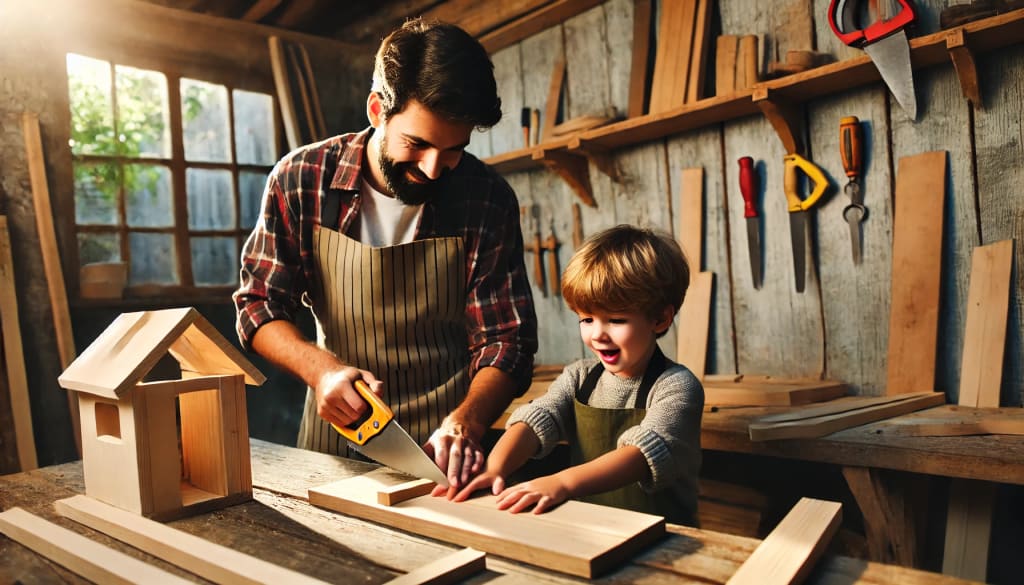
Carpentry is more than just building things out of wood—it’s an incredible skill that teaches patience, creativity, problem-solving, and responsibility. In a world where technology often dominates our kids' free time, introducing them to hands-on activities like woodworking can be a refreshing and valuable experience. But how do we make this ancient craft fun, safe, and accessible for children?
50 Free plans "made for you". Download your plans for free.
Why Carpentry is Great for Kids
Woodworking offers a wide range of benefits for children. Beyond just learning how to use tools, kids develop essential life skills such as:
- Creativity – Carpentry allows children to bring their ideas to life, fostering imagination and innovation.
- Fine Motor Skills – Using saws, hammers, and sandpaper helps improve hand-eye coordination and dexterity.
- Problem-Solving – When a piece doesn’t fit or a nail goes in crooked, kids learn how to adapt and find solutions.
- Confidence Building – There’s nothing like the feeling of accomplishment when a child completes their first woodworking project.
- Patience and Focus – Carpentry requires precision, which teaches kids the value of patience and attention to detail.
Getting Started: Setting Up a Kid-Friendly Workshop
Before you begin teaching carpentry, it’s important to create a safe and encouraging environment. Here’s how:
1. Choose the Right Space
Find a well-lit, ventilated area where kids can work comfortably. A garage, backyard, or basement workshop are great options.
2. Provide Child-Safe Tools
Start with age-appropriate tools designed for small hands. Some great beginner tools include:
- A small hammer
- A manual hand saw with a guard
- Sandpaper
- A hand drill
- A measuring tape
- Wood glue
- Safety goggles and gloves
As they grow more skilled and responsible, they can gradually be introduced to more advanced tools.
50 Free plans "made for you". Download your plans for free.
3. Teach Safety First
Safety is the most important part of woodworking with kids. Make sure they understand these key rules:
- Always wear safety goggles when cutting or drilling.
- Keep fingers away from saw blades and hammers.
- Work with an adult’s supervision at all times.
- Keep the workspace clean and organized to prevent accidents.
Fun Beginner Projects for Kids
Now that you have a safe space set up, it’s time to start creating! Here are some simple yet rewarding projects that children of different ages can enjoy:
1. Wooden Nameplate (Ages 5+)
A great first project! Kids can sand a piece of wood smooth, paint it, and add their name using stencils or a wood burner (with supervision).
2. Birdhouse (Ages 7+)
Building a birdhouse teaches kids about measurements, cutting, and assembly. Plus, they’ll love seeing birds use their handmade creation!
3. Toolbox (Ages 8+)
A small wooden toolbox is a practical and fun project that helps kids practice hammering, drilling, and assembling.
4. Bookshelf (Ages 10+)
For older kids, a simple bookshelf allows them to take on a bigger challenge, learning about angles, leveling, and structural integrity.
Encouraging Creativity and Independence
Once kids get comfortable with basic woodworking skills, encourage them to come up with their own ideas! Maybe they want to build a toy car, a dollhouse, or a picture frame. Letting them design and create independently boosts their confidence and keeps them engaged.
Incorporating Carpentry into Daily Life
Carpentry doesn’t have to be just an occasional activity. Here are some ways to make it a regular part of your child’s routine:
- Family Woodworking Days – Set aside a weekend each month for a new project.
- Holiday Gifts – Encourage kids to make handmade gifts for family and friends.
- Upcycling – Teach sustainability by repurposing old furniture or scrap wood into something new.
The Long-Term Benefits of Learning Carpentry
Kids who learn woodworking at a young age gain skills that can last a lifetime. Whether they pursue carpentry as a hobby, use it in home improvement projects, or even turn it into a career, the foundational skills they develop will always be useful.
Above all, woodworking provides kids with a sense of accomplishment and pride. Seeing a project come to life through their own hands is incredibly rewarding—and who knows, you might just inspire the next great carpenter of the future!
50 Free plans "made for you". Download your plans for free.
Conclusion
By introducing children to woodworking in a safe and engaging way, we give them an opportunity to build not just with wood, but also with confidence, creativity, and life skills that will serve them well into adulthood.
About the Creator
juliano lucas da silva
Read the best articles on earth
Enjoyed the story? Support the Creator.
Subscribe for free to receive all their stories in your feed.
Comments
There are no comments for this story
Be the first to respond and start the conversation.