
Internet of things
Overview of the Internet of Things: Connecting the Physical World

Introduction
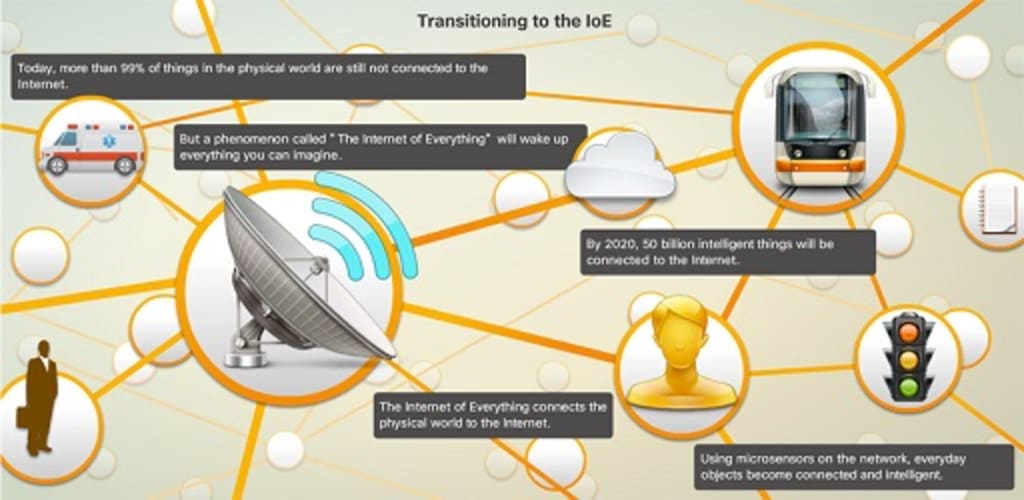
The Internet of Things (IoT) is a revolutionary concept that is transforming the way we live and interact with technology. It refers to the interconnection of everyday physical objects to the internet, enabling them to collect and exchange data. This network of connected devices is reshaping industries, improving efficiency, and enhancing our overall quality of life. In this article, we will explore the fundamentals of the IoT and its implications for the future.
Understanding the Internet of Things
At its core, the Internet of Things involves the integration of sensors, actuators, and network connectivity into everyday objects, enabling them to communicate and interact with each other. These objects can range from household appliances and vehicles to industrial machinery and infrastructure. By connecting these physical entities, the IoT aims to create an intelligent network that can collect and analyze data to drive informed decision-making.
Key Components of the IoT
Sensors: Sensors are the backbone of the IoT. They are embedded in objects to gather data such as temperature, humidity, motion, and location. These sensors can be as simple as a light sensor or as complex as a biometric sensor, depending on the specific application.
Connectivity: The IoT relies on various communication technologies to connect devices and transmit data. This includes Wi-Fi, Bluetooth, cellular networks, and Low-Power Wide-Area Networks (LPWAN). These connectivity options enable seamless data transfer and real-time monitoring.
Cloud Computing: The massive amount of data generated by IoT devices requires storage and processing capabilities beyond the device itself. Cloud computing allows for the aggregation and analysis of data in a centralized manner, providing scalability and accessibility.
Data Analytics: The IoT generates an immense volume of data, often referred to as "big data." Analyzing this data is crucial to derive meaningful insights and facilitate decision-making. Data analytics techniques, including machine learning and artificial intelligence, help uncover patterns, trends, and anomalies within the collected data.
Applications of the Internet of Things
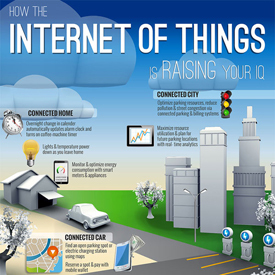
Smart Homes: The IoT has revolutionized the concept of home automation. Connected devices such as thermostats, lighting systems, security cameras, and voice assistants can be controlled remotely, offering convenience, energy efficiency, and enhanced security.
Industrial Automation: IoT-enabled industrial systems allow for real-time monitoring of equipment, predictive maintenance, and optimization of production processes. This results in improved efficiency, reduced downtime, and cost savings for businesses.
Healthcare: The IoT has the potential to revolutionize healthcare by enabling remote patient monitoring, wearable health devices, and telemedicine. These advancements can lead to early detection of health issues, personalized treatment plans, and improved patient outcomes.
Smart Cities: IoT technologies are transforming cities into smart and sustainable environments. Smart traffic management, waste management, energy monitoring, and public safety systems can enhance the quality of life for citizens, reduce environmental impact, and improve resource allocation.
Challenges and Considerations
While the IoT offers immense potential, there are several challenges that need to be addressed:
Security: With a vast network of interconnected devices, security becomes a critical concern. Protecting sensitive data, ensuring secure communication, and mitigating potential cyber threats are paramount.
Privacy: The collection and analysis of personal data raise privacy concerns. Balancing the benefits of data utilization with individual privacy rights is crucial.
Interoperability: The IoT landscape consists of numerous devices, platforms, and protocols. Ensuring seamless interoperability and standardization is necessary to avoid fragmentation and enable device compatibility.
Scalability: As the number of IoT devices continues to grow exponentially, scalability becomes a significant challenge. Infrastructure and networks must handle the increased volume of data and devices effectively.
Conclusion
The Internet of Things represents a paradigm shift in how
About the Creator
SUSILKUMAR S
I am dedication and commitment to their craft have earned them a loyal following, and they continue to captivate their audience with fresh, well-crafted content on a regular basis. Their blog serves as a reliable destination for individual
Enjoyed the story? Support the Creator.
Subscribe for free to receive all their stories in your feed.
Comments
There are no comments for this story
Be the first to respond and start the conversation.