
Innovation in Agriculture
Vertical gardening
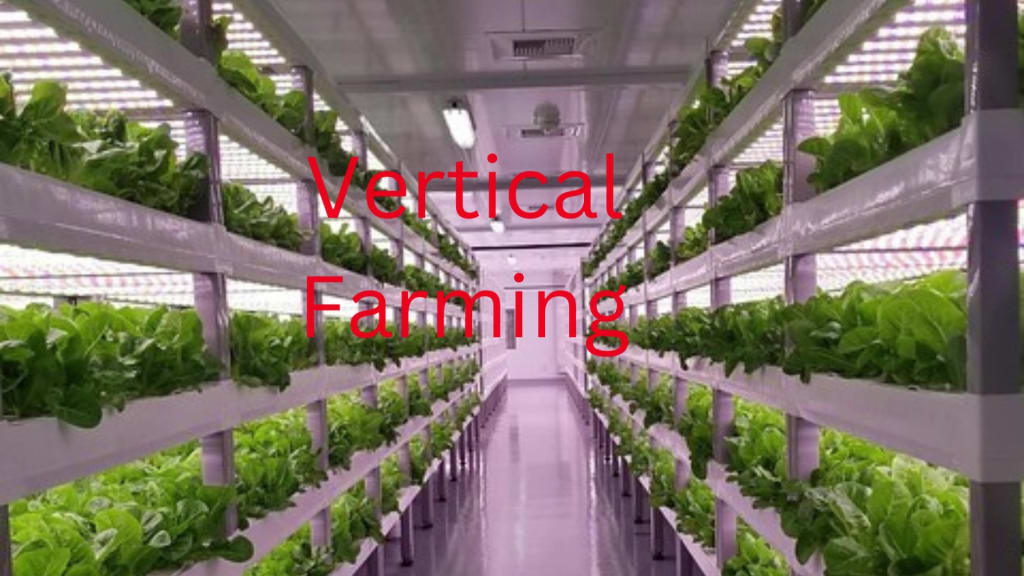
Vertical gardening is a modern form of gardening that involves the use of vertical spaces to grow plants, vegetables, and herbs. This technique has gained immense popularity in recent years, primarily because it enables individuals to grow plants in small spaces, thus making it an ideal solution for urban gardening.
Verticalculture, a term derived from the words "vertical" and "culture," refers to the practice of growing plants in vertical spaces. This technique involves using various structures such as walls, trellises, fences, or containers to provide support to the plants as they grow upwards. VERTiculture has numerous advantages, such as maximizing space utilization, reducing water usage, and providing an aesthetic appeal to the surroundings.
The benefits of Verticulture are diverse and far-reaching. First, it allows gardeners to grow plants in small spaces, which is a significant advantage for people living in urban areas where space is limited. By utilizing vertical spaces, Verticulture enables individuals to grow more plants in less space than traditional gardening methods.
Verticulture also reduces water usage. In traditional gardening, water is typically spread across the entire garden, resulting in water wastage. However, with VERTiculture, water is directed straight to the roots of the plants, reducing water wastage and allowing for better water management. This is particularly crucial in areas with water scarcity or those that experience droughts.
Verticulture also provides an aesthetic appeal to the surroundings. Plants grown vertically create a beautiful sight, transforming dull walls and fences into attractive, green spaces. This is particularly important in urban areas where green spaces are limited.
The technique of Verticulture involves the use of various structures to support the plants as they grow vertically. These structures include walls, trellises, fences, or containers. In most cases, the structure is erected first, and then plants are grown on it. The choice of structure depends on the plant's growth habit, the space available, and the gardener's preferences.
Walls are commonly used as structures for Verticulture . Living walls or green walls are a popular choice, as they are visually appealing and enhance air quality. Living walls are made up of modules containing plants and a growing medium, which is attached to a wall. The plants grow from the modules, creating a beautiful vertical garden. These walls can be used indoors or outdoors, and they provide insulation, reduce noise levels, and help purify the air.
Trellises are another popular structure used for Verticulture . They are typically made of wood or metal and provide support for climbing plants such as tomatoes, beans, and cucumbers. Trellises are ideal for small spaces, and they can be designed in various shapes and sizes to fit any garden or balcony.
Containers are also used in Verticulture, particularly for growing herbs, vegetables, and flowers. Containers can be made of various materials such as plastic, clay, or metal, and they are suitable for growing plants in limited spaces such as balconies or patios. Hanging baskets are an example of containers used for VERTiculture, and they provide a beautiful display of trailing plants such as petunias or lobelias.
Fences can also be used as structures for Verticulture. Plants such as ivy or honeysuckle can be trained to grow up a fence, creating a beautiful green wall. Fences are ideal for VERTiculture as they provide support for plants and also offer privacy and security.
In conclusion, Verticulture is an innovative technique of gardening that has numerous advantages, such as maximizing space utilization, reducing water usage, and providing an aesthetic appeal to the surroundings. The technique involves using various structures such as walls, trellises, fences, or containers to provide support to the plants as they grow upwards. The choice of structure depends on the plant's growth habit, the
About the Creator
Enjoyed the story? Support the Creator.
Subscribe for free to receive all their stories in your feed.
Comments
There are no comments for this story
Be the first to respond and start the conversation.