
INDIAN EDUCATION VS AMERICAN EDUCATION
DRAW BACKS AND IMPROVEMENTS OF INDIAN EDUCATION
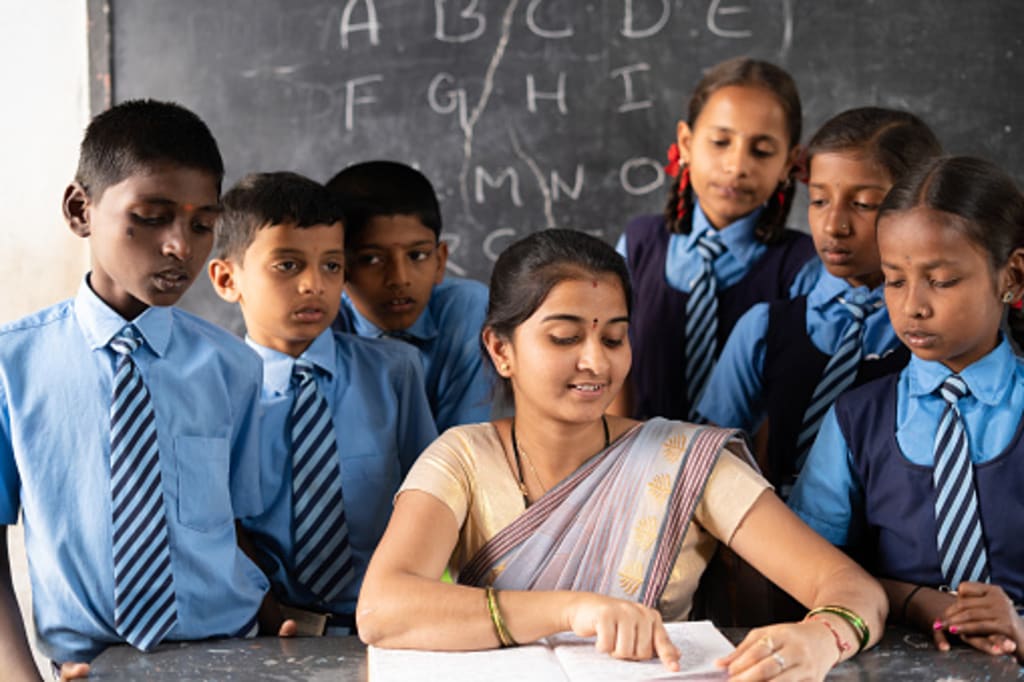
It is difficult to make a direct comparison between Indian and American education systems as they have significant differences in structure, philosophy, and outcomes.
The Indian education system is primarily based on rote learning, where students are expected to memorize information and reproduce it during exams. The emphasis is on academic excellence and achieving high grades in standardized tests. The curriculum is often considered to be too rigid and outdated, with limited opportunities for experiential and hands-on learning. Additionally, the education system in India is characterized by a high level of competition, with students vying for limited seats in prestigious colleges and universities.
In contrast, the American education system is more focused on creativity, critical thinking, and practical application of knowledge. The emphasis is on holistic development, including social and emotional learning, extracurricular activities, and community involvement. The curriculum is flexible, and students have the freedom to choose their own courses and electives based on their interests and career goals. Additionally, the education system in America is characterized by a greater emphasis on personalized learning and accommodating diverse learning styles and abilities.
Both education systems have their strengths and weaknesses, and the choice between them largely depends on individual preferences and priorities. However, it is important to note that the American education system is generally considered to be more innovative, student-centered, and flexible, while the Indian education system is more focused on academic excellence and achievement.
DRAWBACKS OF INDIAN EDUCATION:
The Indian education system has several drawbacks that have been the subject of much debate and criticism. Some of the key drawbacks include:
1) Emphasis on rote learning: The Indian education system is often criticized for being too focused on rote learning and memorization, rather than encouraging critical thinking and creativity.
2) Limited opportunities for practical learning: The curriculum in Indian schools and colleges is often considered to be too theoretical, with limited opportunities for hands-on and practical learning.
3) High level of competition: The Indian education system is characterized by a high level of competition, with students vying for limited seats in prestigious colleges and universities. This can create a lot of stress and pressure for students.
4) Limited focus on holistic development: The Indian education system is often criticized for not placing enough emphasis on social and emotional learning, extracurricular activities, and community involvement.
5) Outdated curriculum: The curriculum in Indian schools and colleges is often considered to be too rigid and outdated, with little focus on current trends and technologies.
6) Inadequate infrastructure: Many schools and colleges in India lack basic infrastructure, such as proper classrooms, libraries, and laboratories, which can hinder the quality of education.
Overall, these drawbacks highlight the need for reforms in the Indian education system to ensure that it is more student-centered, innovative, and inclusive.
SEVERAL IMPORTANT THINKS TO IMPROVE IN INDIAN EDUCATION:
There are several areas in which the Indian education system can be improved to better meet the needs of students and prepare them for the challenges of the modern world. Some key areas for improvement include:
1) Encouraging critical thinking and creativity: The Indian education system should place more emphasis on developing critical thinking and creativity among students, rather than just rote learning and memorization.
2) Promoting practical learning: There should be more opportunities for students to engage in hands-on, experiential learning, and to apply what they have learned in real-world situations.
3) Focusing on holistic development: The Indian education system should place greater emphasis on social and emotional learning, extracurricular activities, and community involvement, to help students develop into well-rounded individuals.
4) Updating the curriculum: The curriculum in Indian schools and colleges should be updated regularly to reflect current trends and technologies, and to ensure that students are equipped with the skills and knowledge they need to succeed in the 21st century.
5) Providing adequate infrastructure: Schools and colleges in India should be equipped with proper infrastructure, such as well-equipped classrooms, libraries, and laboratories, to ensure that students have access to the resources they need to learn effectively.
6) Addressing inequalities: The Indian education system should work to address the inequalities that exist in access to education, particularly in rural and marginalized communities, and ensure that all students have equal opportunities to learn and succeed.
Overall, these improvements would help to create a more student-centered, innovative, and inclusive education system in India, better equipped to meet the needs of the country's diverse student population and prepare them for success in a rapidly changing world.
About the Creator
Enjoyed the story? Support the Creator.
Subscribe for free to receive all their stories in your feed.
Comments
There are no comments for this story
Be the first to respond and start the conversation.