
India's Uniform Civil Code
A Step towards Equality and Social Justice
Introduction :
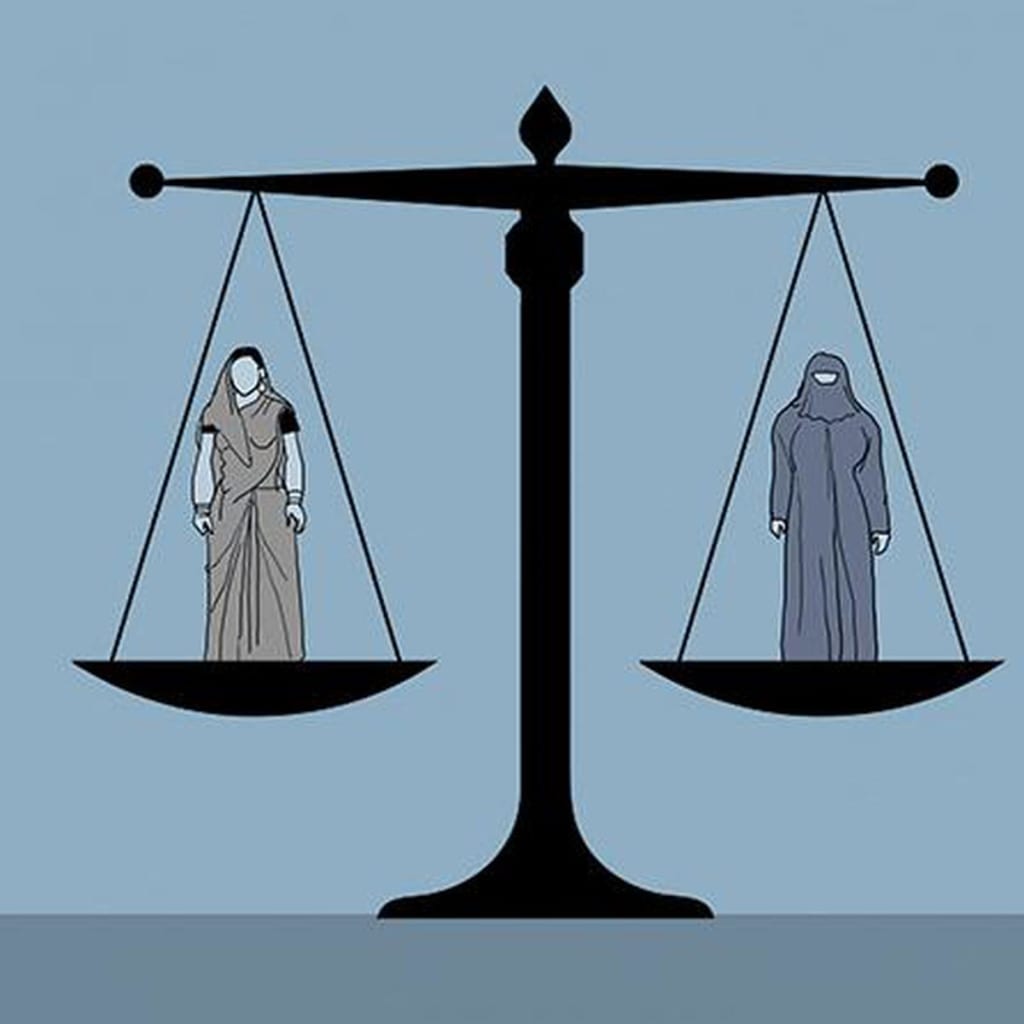
India, a diverse nation with a rich cultural heritage, has long grappled with the issue of personal laws governing different religious communities. The Uniform Civil Code (UCC) is a contentious topic that aims to establish a common set of civil laws for all citizens, regardless of their religious affiliations. While it has been a subject of heated debate, proponents argue that a uniform code would promote gender equality, social justice, and national integration. This article explores the concept of a Uniform Civil Code in India, its significance, and the challenges it faces.
Historical Perspective (150 words):
India's legal system has historically been shaped by various personal laws derived from religious scriptures and customs. Hindu personal laws, for instance, have been codified, albeit with significant variations across regions. On the other hand, Muslims, Christians, and other religious minorities follow their respective personal laws. The implementation of a Uniform Civil Code has been a topic of discussion since the drafting of the Indian Constitution in the 1950s. However, due to concerns about religious sensitivities and preserving cultural identities, successive governments have hesitated to enact a uniform set of laws that would be applicable to all citizens.
Significance and Benefits :
Advocates of a Uniform Civil Code argue that it would bring several benefits to Indian society. Firstly, it would promote gender equality by eliminating discriminatory practices that are prevalent in personal laws. For instance, the UCC could address issues like triple talaq (instant divorce) in Islamic law, which has been a matter of great concern for women's rights activists. Secondly, a uniform code would contribute to social justice by ensuring that all citizens are treated equally under the law, irrespective of their religious background. It would foster a sense of unity and national integration by promoting a common legal framework that transcends religious boundaries. Moreover, a Uniform Civil Code would simplify legal processes, reduce litigation, and streamline the administration of justice.
Challenges and Criticisms :
Opponents of the Uniform Civil Code argue that it undermines the diversity and cultural pluralism of Indian society. They contend that imposing a uniform set of laws would infringe upon the religious freedoms of minority communities. Some critics also argue that a UCC may be seen as an attempt to impose Hindu values on other religious communities. Another challenge lies in navigating the delicate balance between protecting individual rights and respecting cultural traditions. Customary practices deeply entrenched in various communities may resist change, making it difficult to arrive at a consensus on certain issues. Moreover, the political climate surrounding the UCC often becomes polarized, with parties exploiting religious sentiments for electoral gains, thereby impeding constructive dialogue and progress on the matter.
The Way Forward :
Achieving a Uniform Civil Code requires careful deliberation and consensus-building. It is crucial to involve all stakeholders, including religious leaders, legal experts, scholars, and representatives from diverse communities. The process should prioritize open discussions, mutual understanding, and respect for diverse perspectives. The government should aim to create an inclusive platform that encourages dialogue and addresses concerns regarding the protection of individual rights and cultural identities.
To facilitate the implementation of a Uniform Civil Code, it may be prudent to adopt a phased approach, addressing pressing issues such as gender equality and protection against discrimination initially. This approach would enable a gradual transition while allowing space for further discussions and amendments as needed.
Conclusion :
While the Uniform Civil Code remains a complex and sensitive issue, it presents an opportunity to uphold the principles of equality, social justice, and national integration in India. It is essential to find a balance between individual rights, religious freedom, and the larger goal of creating a just and harmonious society. By addressing concerns, fostering dialogue, and adopting a phased approach, India can work towards a Uniform Civil Code that respects cultural diversity while ensuring equality and justice for all its citizens.
About the Creator
Enjoyed the story? Support the Creator.
Subscribe for free to receive all their stories in your feed.
Comments
There are no comments for this story
Be the first to respond and start the conversation.